Dangote Refinery IPO: A New Era or Market Monopoly?
On September 14, 2026, Nigeria achieved a historic economic milestone with the launch of the initial public offering (IPO) for the Dangote Petroleum…
Featured image for news article
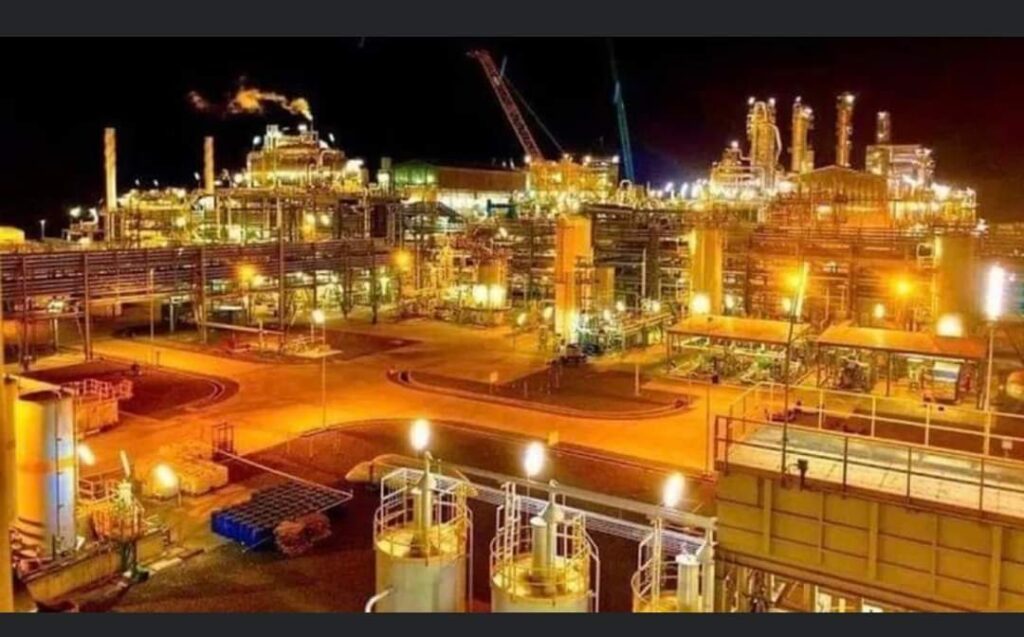
On September 14, 2026, Nigeria achieved a historic economic milestone with the launch of the initial public offering (IPO) for the Dangote Petroleum Refinery. Touted as the largest IPO in African history, this financial move signals a transformative shift for the nation’s energy sector. Located within the Lekki Free Zone in Lagos, the massive facility boasts a 700,000 barrel-per-day crude-processing capacity, marking a significant upgrade from its initial 650,000-barrel design.
The refinery, which required a staggering $20 billion investment, stands as a beacon of domestic industrialization. Since its commission in May 2023, the plant has steadily ramped up operations. By early 2024, it began producing diesel and jet fuel, followed by the highly anticipated introduction of petrol into the local market by September of that year.
The Vision of Energy Security
Aliko Dangote, the president of the Dangote Group, has framed this project as a vital engine for continental growth.
“We fully share all our prosperity with the people. That’s why we call this the ‘People’s IPO’,”
he stated during the launch. Beyond local dividends, he emphasized that energy security is the foundational bedrock upon which all African industrialization must be built.
This success contrasts sharply with the state-owned infrastructure that preceded it. For decades, Nigeria’s government-run refineries in Port Harcourt, Warri, and Kaduna have been plagued by systemic issues. Despite massive financial outlays—estimated between $18 billion and $25 billion—these facilities have remained largely dormant or inefficient.
A Legacy of Stagnation
The chronic failure of state refineries was characterized by persistent corruption, weak operational management, and excessive political interference. This neglect left Nigeria, an oil-rich nation, in the paradoxical position of being forced to import the vast majority of its refined petroleum products. This reliance decimated foreign exchange reserves and entrenched a cycle of expensive fuel subsidies.
The economic toll of importing fuel was immense. Vulnerability to global price spikes and recurring domestic shortages created an unstable environment for Nigerian consumers. By shifting production inland, the country is finally attempting to decouple its domestic economy from the volatility of international oil markets.
Market Risks and Future Outlook
However, the transition is not without its critics. While the refinery is a triumph of engineering, concerns regarding market concentration are growing. Industry observers warn that replacing state dependency with a private monopoly could limit benefits for the average Nigerian.
Key reforms currently shaping the landscape include:
- The total removal of costly petrol subsidies.
- The implementation of a “crude-for-naira” trading mechanism.
- A transition toward market-driven fuel pricing.
As the nation moves forward, the success of the refinery will be judged not just by its output, but by its ability to foster a competitive and accessible energy market that genuinely serves the populace rather than simply enriching a singular corporate entity.