US Targets Global Operations of Iranian Airlines
United States Treasury Secretary Scott Bessent has issued a stark warning that could effectively ground all Iranian commercial aviation operations…
Featured image for news article
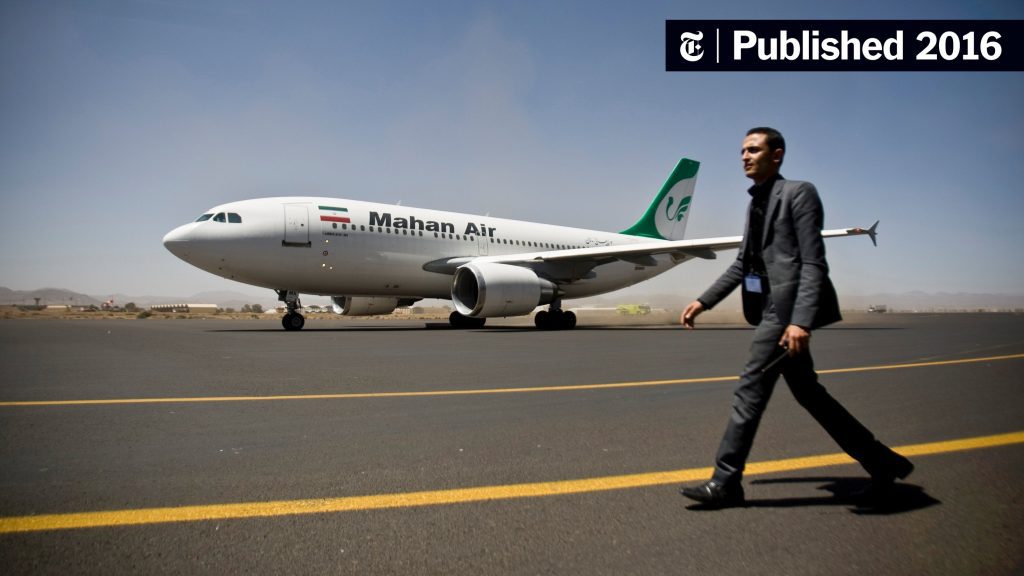
United States Treasury Secretary Scott Bessent has issued a stark warning that could effectively ground all Iranian commercial aviation operations worldwide. Beginning this Wednesday, the administration is launching a comprehensive crackdown that threatens to sever any international entity providing services to Iranian carriers from the United States dollar system.
The directive represents a significant escalation in the economic pressure campaign currently being waged by the administration of President Donald Trump. By targeting the ecosystem that keeps Iranian planes in the air, Washington aims to isolate the nation’s aviation sector completely.
Expanding the Sanctions Net
The ultimatum is directed not only at the airlines themselves but at the entire support network necessary for global travel. This includes airports, fueling providers, ticketing platforms, and maintenance firms. The message from the Treasury is unambiguous: support for Iranian carriers carries a heavy price.
“On September 23, all the Iranian airlines will be shut down around the world,” Bessent stated during an interview on Monday.
Bessent emphasized the severity of the consequences for businesses that fail to comply with these new mandates. The threat of losing access to the US dollar system is intended to force foreign companies to choose between facilitating Iranian travel and maintaining their own access to global financial markets.
A History of Economic Pressure
This initiative follows a series of sanctions imposed earlier this month, which targeted remaining Iranian carriers and various international companies accused of providing logistical support to the sector. Iran’s aviation industry has faced long-standing challenges, including extreme difficulty in procuring new aircraft, essential spare parts, and professional maintenance services due to existing sanctions.
The current strategy is part of a broader, multi-sector sanctions regime. Washington continues to leverage its influence to restrict Iran’s access to various critical industries, including:
- Energy and oil exports
- Global shipping logistics
- Technology transfer and hardware
- Digital assets and financial instruments
The Diplomatic Dimension
The effectiveness of this isolation campaign may hinge on the cooperation of major global powers, particularly China. Beijing remains one of Tehran’s primary economic partners and a key diplomatic ally. Consequently, Washington is actively engaging with Chinese officials to ensure compliance with these stringent financial regulations.
Bessent noted that recent discussions with Chinese Vice Premier He Lifeng and other financial authorities, including People’s Bank of China Governor Pan Gongsheng, have been productive. The administration is hopeful that this engagement will bolster the efficacy of the sanctions.
As the Wednesday deadline approaches, the international aviation community remains on high alert. The move signifies a pivotal moment in the ongoing tensions between the US and Iran, marking a transition toward total financial and logistical containment of the country’s aerial infrastructure.
The success of this policy will likely depend on the willingness of international service providers to risk their standing in the US financial system. For now, the global aviation sector prepares for a potential total shutdown of Iranian flights, a move that would fundamentally alter the country’s connectivity with the outside world.