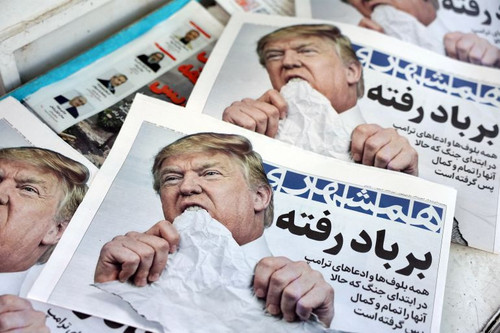
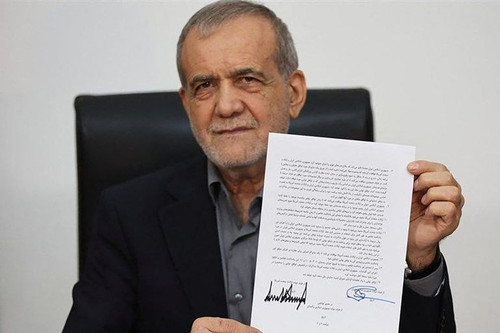
In a major diplomatic breakthrough, the United States and Iran have officially signed a memorandum of understanding to extend a ceasefire, effectively halting hostilities that have gripped the region since late February. The agreement, facilitated by intense mediation from Pakistan, includes the reopening of the strategic Strait of Hormuz and a renewed commitment from Tehran to forgo the development of a nuclear weapon. The accord, dubbed the “Islamabad MoU,” was signed electronically by US President Donald Trump and Iranian President Masoud Pezeshkian, marking a significant cooling of tensions following the conflict that began with US and Israeli strikes earlier this year.
The 60-day ceasefire extension serves as a vital cooling-off period, designed to create a window for deeper negotiations regarding sanctions relief and the release of frozen assets. While the agreement represents a tangible move toward stability, officials remain cautious. Iranian Foreign Ministry spokesperson Esmaeil Baghaei emphasized that Tehran intends to monitor US compliance closely, warning that any perceived evasion of obligations by Washington would result in Iran withdrawing its commitments. Baghaei further clarified that while nuclear policy is open for discussion, Iran’s missile program remains strictly off the table.
The deal also includes a controversial economic component regarding the Strait of Hormuz. Tehran has signaled its intention to establish a new regulatory regime in partnership with Oman, which would involve charging transit fees for services provided within the critical waterway. Furthermore, Iran has signaled a firm stance on its nuclear infrastructure, confirming it will not ship its current stockpile of highly enriched uranium abroad, while simultaneously placing the burden on the US to ensure that Israel adheres to the terms of the broader peace process.
The signing ceremony, which took place at the historic Versailles Palace, saw President Trump physically finalize the interim deal amidst a high-stakes global spotlight. In a brief statement following the event, the President acknowledged the difficulty of the negotiations, noting the complex path taken to reach this point. Domestically, however, the deal has faced immediate backlash from skeptical Republican lawmakers who argue the concessions to Tehran are fiscally irresponsible and insufficient to truly dismantle Iran’s nuclear capabilities.
Despite the criticism, some segments of the GOP have rallied behind the President. Senator Roger Marshall praised the move, labeling it a “winning deal” and asserting that it offers a more robust framework than the nuclear agreements of the past. Meanwhile, Pakistan’s Prime Minister Shehbaz Sharif, the primary architect of the mediation, lauded the development as a “historic” achievement, expressing hope that the agreement will foster long-term prosperity and mutual respect across the entire region.
International institutions have been quick to welcome the respite from conflict. Rafael Grossi, Director-General of the International Atomic Energy Agency (IAEA), praised the memorandum as a necessary step forward. “It is good that the memorandum is there. Now the technical work starts,” Grossi stated. The UN nuclear watchdog is now poised to begin discussions with both US and Iranian delegations to establish a clear, verifiable roadmap for managing Tehran’s nuclear activities during the two-month window.
As the international community watches, the coming 60 days are expected to be a test of endurance for both Washington and Tehran. With the immediate threat of war temporarily subsided, the focus shifts to whether the diplomatic momentum generated by the Islamabad MoU can be sustained. For now, the reopening of the Strait of Hormuz stands as the most immediate and visible sign of progress in a region long defined by volatility.
Comments (0)
Login to join the discussion
No comments yet. Be the first to comment!