Pentagon Initiates Aggressive Leak Hunt via Polygraphs
In an aggressive move to secure sensitive military data, the Trump administration has launched a sweeping investigation into alleged intelligence…
Featured image for news article
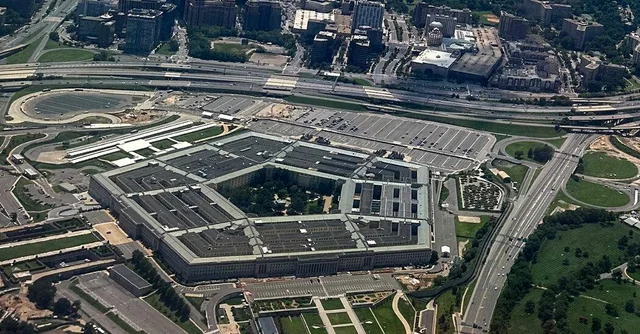
In an aggressive move to secure sensitive military data, the Trump administration has launched a sweeping investigation into alleged intelligence leaks. The effort, which centers on the Pentagon, involves mandatory polygraph testing for dozens of officials. This escalation comes amid intense scrutiny regarding reports that US weapons stockpiles—particularly high-demand munitions like Patriot interceptors and long-range missiles—are reaching critically low levels.
The investigation has targeted personnel within the US military’s Joint Staff. According to reports from The New York Times, approximately 50 military officers and civilian staff members were subjected to lie-detector examinations throughout August. Separate reporting from CBS News suggests the net is cast even wider, noting that staff within the US Central Command (CENTCOM) were also required to undergo testing earlier this summer.
Cracking Down on Disclosures
The administration’s primary objective is to identify individuals responsible for sharing classified information with the media. These leaks gained prominence in July, specifically highlighting concerns over the depletion of essential weaponry. The timing of these disclosures was particularly sensitive, as they surfaced just as the United States chose to halt specific military actions against Iran.
President Donald Trump has publicly expressed his frustration, describing the disclosures as “treasonous statements.” The probe is not acting in a vacuum; it involves a coordinated effort between the Department of Justice and the FBI. Beyond mere identification of leakers, officials indicate that the testing serves as a significant deterrent against future unauthorized disclosures of national security information.
Evaluating the Pentagon’s Arsenal
The administration has pushed back hard against the narrative of a munitions shortage. Despite media reports suggesting systemic supply issues, the White House maintains that the military possesses “massive amounts” of weaponry. Investigators, however, have pressed Joint Staff personnel specifically on whether they provided journalists with internal assessments regarding declining stockpiles.
While the polygraph examinations covered a broad spectrum of national security protocols, sources familiar with the matter suggest that no individuals failed the specific questions designed to link them to unauthorized media leaks. This underscores the difficulty investigators face in pinning down the source of the persistent information flow regarding military readiness.
A High-Stakes Internal Probe
The scope of the Joint Staff is immense, with a workforce ranging between 1,500 and 2,000 military and civilian personnel who coordinate global operations and war planning. While the search for leakers is rigorous, the top leadership has been largely insulated from the process. General Dan Caine, chairman of the Joint Chiefs of Staff, is among the high-ranking officials who were not subjected to testing.
The Pentagon has remained tight-lipped regarding the specifics of the investigation. Chief Pentagon spokesman Sean Parnell issued a statement regarding the department’s position:
“The Department does not comment on internal personnel or investigative matters but takes all leaks of classified national security information extremely seriously and investigates accordingly.”
As the probe continues, the tension between maintaining operational security and addressing public concerns over military readiness remains a defining challenge for the current administration.