USS Lincoln Mental Health Crisis Revealed
According to findings reported by Crimson Reporters, top naval leadership has formally acknowledged a troubling mental health crisis aboard one of…
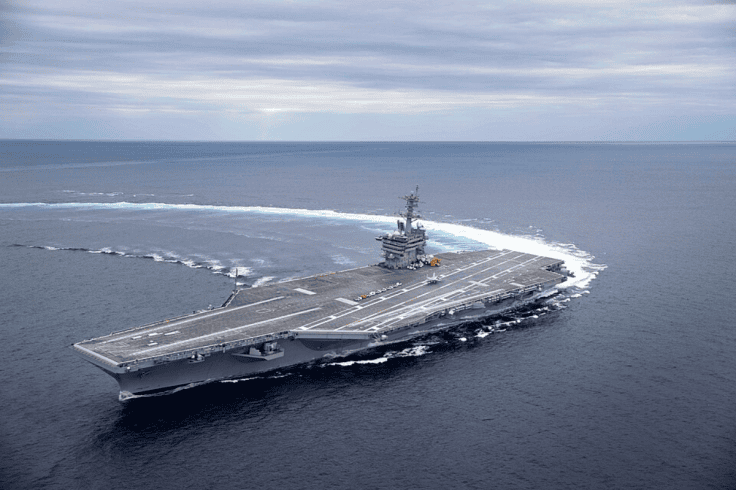
Featured image for news article
According to findings reported by Crimson Reporters, top naval leadership has formally acknowledged a troubling mental health crisis aboard one of the military’s premier floating fortresses. Acting United States Navy Secretary Hung Cao addressed lawmakers regarding welfare concerns on the fleet, confirming multiple instances of self-harm among sailors during a tense operational tour in the Middle East.
Senator Kirsten Gillibrand had previously pressed defense officials regarding troubling accounts of psychological distress among service members. In response, Cao submitted an official written correspondence detailing eight separate suicide attempts across the entire strike group. This toll encompasses personnel stationed on the primary vessel, its accompanying air wing, the destroyer squadron staff, and all auxiliary escort units.
The correspondence explicitly highlighted the severity of the incidents, noting that at least two individuals attempted to take their lives by leaping directly into the open ocean. Fortunately, despite the alarming frequency of these self-harm events, officials confirmed that no fatalities resulted from these specific psychiatric crises during the active deployment.
An Historic and Exhausting Deployment
The vessel at the center of this scrutiny is the USS Abraham Lincoln, a massive nuclear-powered Nimitz-class aircraft carrier. Recognized widely as one of the most formidable warships on earth, the vessel initially departed from California in November 2025 under orders for a standard Indo-Pacific patrol in the South China Sea.
However, geopolitical shifts abruptly altered those orders. By January, escalating regional hostilities prompted a redirection toward the US Central Command area of responsibility. Following the outbreak of open conflict between the United States, Israel, and Iran in late February, the strike group transitioned immediately into active combat operations, enforcing strict maritime blockades against hostile Iranian ports.
The psychological toll on the crew mounted rapidly as the mission dragged on without relief. Personnel endured an unprecedented 286 days at sea without returning to a home port, setting a modern endurance benchmark. Throughout this nearly ten-month endurance test, the crew received just a single brief respite ashore.
Logistical Strain and Supply Deficits
Investigators and military analysts have increasingly linked the profound fatigue and plunging morale to compounding logistical hurdles. Following devastating enemy strikes targeting critical military infrastructure in Bahrain during the initial phase of the war, regional supply lines experienced severe disruptions.
With Naval Support Activity Bahrain heavily compromised, military planners had to pivot abruptly. The armed forces were forced to rely on Diego Garcia, a remote island situated in the Indian Ocean, as the primary replenishment hub. This alternative facility sat roughly 3,540 kilometers away from the active combat zones where the carrier fleet operated, severely complicating the delivery of vital provisions.
Ultimately, the arduous mission concluded when the exhausted crew finally disembarked in Thailand on September 1. As naval investigators review the operational stressors that contributed to these mental health emergencies, congressional leaders continue demanding rigorous oversight regarding troop welfare and operational fatigue during extended combat deployments.
Crimson Reporters will continue monitoring developments surrounding military personnel safety standards and institutional responses to psychological trauma within deployed naval strike groups.