F-35 Jet Parts Erroneously Shipped to Hong Kong
Defense officials in Washington and Canberra have launched a formal inquiry following a major logistical blunder that rerouted sensitive hardware…
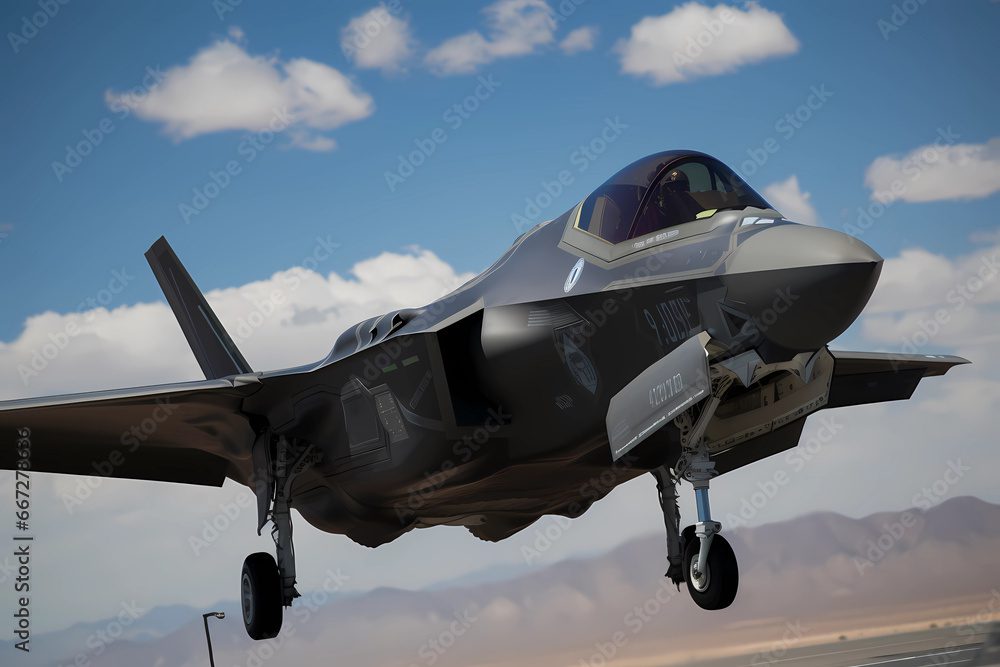
Featured image for news article
Defense officials in Washington and Canberra have launched a formal inquiry following a major logistical blunder that rerouted sensitive hardware intended for America’s premier stealth aircraft directly toward Hong Kong.
The unauthorized transit occurred recently while components of the advanced F-35 fighter program were in transit from Australia back to the United States. This unexpected detour has immediately sparked intense speculation regarding whether Beijing might have intercepted cutting-edge military hardware associated with one of the Pentagon’s most fiercely guarded defense platforms.
At present, neither American nor Australian officials have uncovered any evidence suggesting that the Chinese government intentionally intercepted the cargo or successfully breached the sensitive technology contained within the shipment. Speaking on the matter, Australia’s Defence Minister Richard Marles assured the public by stating that the items involved were not classified as sensitive.
Meanwhile, representatives from the Chinese Foreign Ministry stated that they had no prior knowledge regarding the logistical mishap. The peculiar routing came to light when an American media outlet reported that the cargo—which included a radar-evading cockpit canopy along with a specialized weapons-bay door—missed its intended destination entirely.
The Pentagon’s F-35 Joint Programme Office acknowledged the mishap through an official statement, confirming they are currently collaborating with domestic authorities and industry partners to secure the return of the hardware.
“We are actively working with US authorities and industry partners to retrieve these components, investigate the incident and place safeguards to avoid a future occurrence,” the office stated.
During a press briefing, Marles acknowledged the validity of the reports and outlined Australia’s collaborative role in assisting both the United States and the primary defense contractor, Lockheed Martin, in determining the root cause of the error.
Australia currently maintains a fleet of 72 F-35 aircraft, positioning the nation as one of seven international partners contributing to a shared global inventory of replacement components. Regional maintenance operations are anchored by a specialized logistics facility situated at Williamtown, located north of Sydney.
Despite these established protocols, the exact sequence of events that sent the cargo toward Hong Kong remains entirely unexplained. Both Pentagon representatives and Australian defense personnel have failed to provide a clear rationale for the routing error, reiterating that zero evidence points to premeditated interference by Beijing.
Although primary oversight of the international replacement network falls under Lockheed Martin, reporting indicates that operational control of the entire inventory system remains firmly in the hands of the United States military.
Furthermore, local defense authorities previously clarified that Canberra does not directly supervise or authorize individual export transactions originating from the Williamtown storage facility, leaving accountability primarily in the hands of overseas operators.
Ongoing Security Review
Investigations into the supply chain breakdown continue as stakeholders evaluate procedural vulnerabilities to prevent future compromises of American defense assets abroad.
Key aspects currently under review include:
- The exact shipping manifests managed by logistics partners.
- Protocols governing international defense hardware transfers.
- Oversight responsibilities between Canberra and Washington.
As Crimson Reporters continues to monitor this unfolding story, international defense analysts stress that supply chain security remains paramount for safeguarding modern military supremacy.
Ultimately, resolving this logistical failure will require close coordination between allied governments and private defense contractors to ensure sensitive aviation hardware remains secure during global transit.