Oil Giants Navigate Gulf Crisis Amid Profit Surge
The ongoing conflict in the Middle East has created a paradoxical landscape for major United States energy firms. Six months into the hostilities…
Featured image for news article
The ongoing conflict in the Middle East has created a paradoxical landscape for major United States energy firms. Six months into the hostilities with Iran, these corporations are reporting their most impressive profit margins since 2022. While the industry is generating significant wealth by selling smaller quantities of oil at substantially inflated prices, the long-term stability of their regional investments remains under severe pressure.
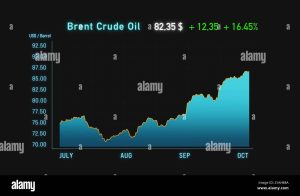
Since the outbreak of the conflict on February 28, the global energy market has faced intense volatility. Brent crude prices have climbed by roughly 22 percent, jumping from $72 to $88 per barrel. This price surge has acted as a financial cushion for producers, yet it masks the deepening vulnerability of assets located within the Gulf region, where geopolitical tensions have effectively severed traditional supply chains.
The Strait of Hormuz Standoff
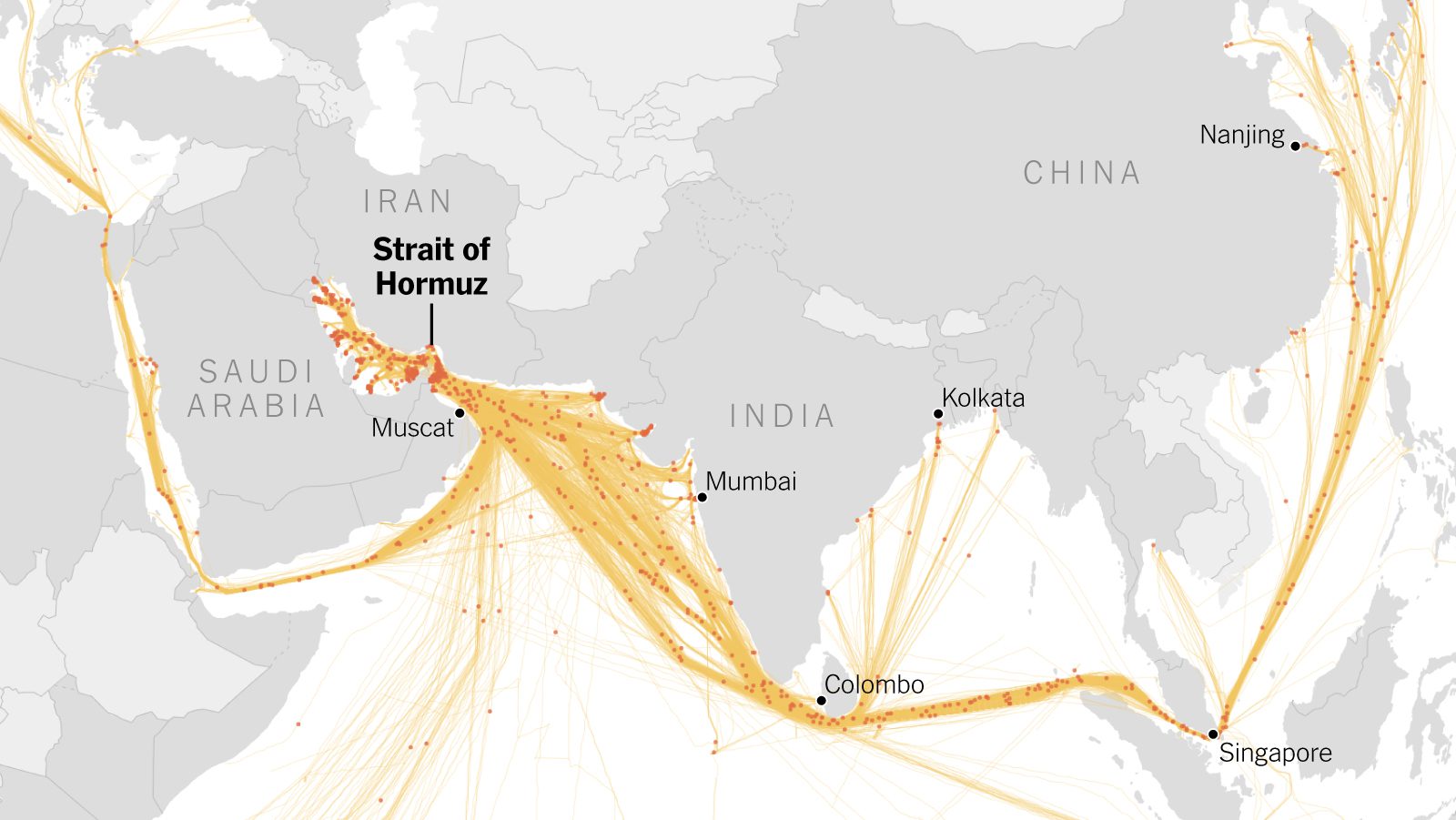
The primary concern for global energy security is the status of the Strait of Hormuz. Before the current hostilities, this critical waterway served as a conduit for one-fifth of the world’s oil and natural gas shipments. Currently, the strait remains largely restricted to commercial traffic. Although Iran and Oman recently established a temporary maritime corridor, the long-term status of the route remains precarious.
Tehran maintains that the strait will not return to full operational capacity until the United States adheres to its obligations under a previously lapsed interim peace deal. This diplomatic impasse ensures that the disruption to global energy flows will likely persist, keeping prices elevated while simultaneously threatening the future of regional infrastructure and capital-intensive projects.
Supply Chain Contractions
Independent analysis suggests that the current instability is already taking a measurable toll on production volumes. Rahul Choudhary, the vice president of Upstream Research at Rystad Energy, highlights a sharp decline in output for American firms operating in the region.
“Overall we expect US companies’ share of gas supplies from the region to fall by around 40 percent this year compared to last year and the share of oil supplies to drop by 30-35 percent,” Choudhary noted.
This reduction represents a significant shift in corporate strategy and operational capacity. While immediate financial gains have provided a buffer against market turbulence, the sustained nature of the conflict is forcing companies to reevaluate their regional growth plans. The uncertainty surrounding the security of Gulf assets is now a primary factor influencing future investment decisions.
Diverging Exposure Profiles
The impact of the crisis varies significantly between major energy players. Chevron has managed to maintain a level of insulation, as the Gulf region accounts for only 5 percent of its total global output. This limited exposure allowed the company to announce an adjusted profit of $12 billion on July 31—its strongest quarterly performance in six years.
In contrast, ExxonMobil faces higher levels of risk, with greater exposure to the disruptions currently plaguing the Middle East. As the conflict continues, the industry must navigate the difficult balance between current windfalls and the eroding security of its long-term regional interests.