Judge Blocks Trump Administration’s Student Deportations
A United States federal judge has issued a landmark ruling against the Trump administration, declaring that attempts to deport international students…
Featured image for news article
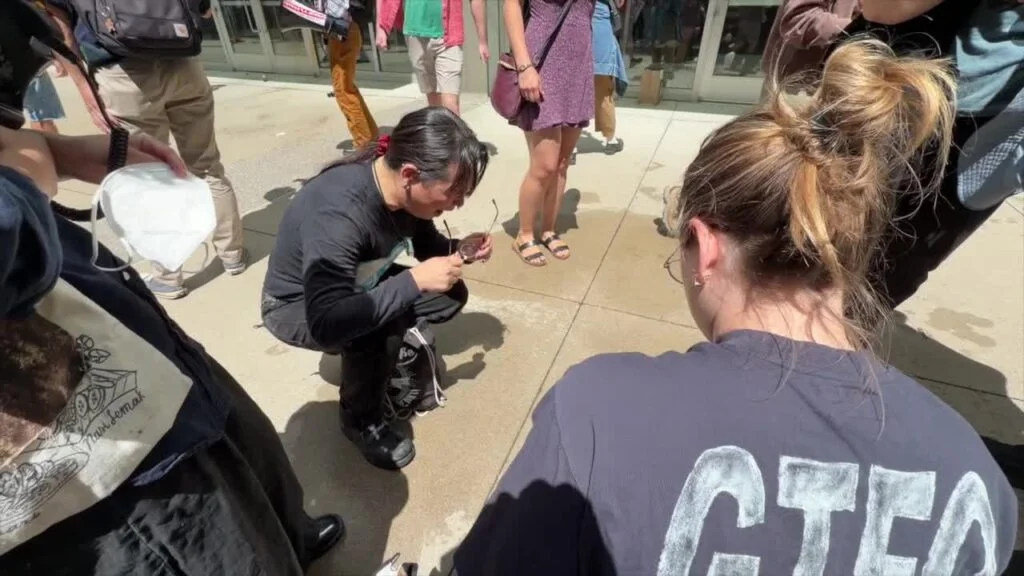
A United States federal judge has issued a landmark ruling against the Trump administration, declaring that attempts to deport international students for their pro-Palestinian advocacy violate core constitutional protections. In a sweeping 90-page decision delivered in California on Friday, District Judge Noel Wise criticized the Department of State and the Department of Homeland Security for infringing upon the free speech rights of noncitizens.
The legal battle stems from administrative actions taken to revoke visas and detain students who participated in campus protests. Judge Wise, appointed by President Joe Biden, emphasized that constitutional rights are not reserved solely for citizens.
“Stated plainly, in the United States, freedom of speech belongs to the people. It is not the government’s to take,”
the judge wrote in her ruling.
Protecting Democratic Expression
Judge Wise argued that the vitality of American democracy relies on the ability of individuals to openly debate their government and its leaders. She warned that the administration’s tactics, which forced students into a cycle of self-censorship to avoid retaliation, fundamentally undermine the nation’s democratic strength. By punishing dissent, the government created an environment of fear that suppressed protected discourse.
The controversy gained national attention following the detention of Columbia University graduate student Mahmoud Khalil in March 2025. Khalil, a permanent US resident and a prominent negotiator for student protest groups, became a symbol of the struggle against the administration’s policies. His ongoing deportation proceedings remain a high-profile point of contention in this broader legal conflict.
Legal Challenges and Self-Censorship
The lawsuit naming Secretary of State Marco Rubio as a defendant highlights the systemic impact of these federal actions. In August 2025, the Stanford Daily filed a formal complaint, documenting how noncitizen contributors felt compelled to abstain from covering pro-Palestinian demonstrations out of fear that their visa status would be jeopardized. Several anonymous foreign nationals joined the lawsuit, noting that they lived in constant anxiety of losing their legal standing for exercising basic speech rights.
The Trump administration has repeatedly justified these actions by citing the Immigration and Nationality Act. Government lawyers argued that the secretary of state maintains the authority to exclude foreign nationals if their presence poses a risk of “potentially serious adverse foreign policy consequences for the United States.”
The Road Ahead
Judge Wise’s decision marks a significant judicial check on executive power regarding immigration and speech. The court’s insistence that the government cannot weaponize visa statuses to silence political dissent sets a precedent for how future immigration policies must interact with the First Amendment. While the administration may seek to appeal the ruling, the decision currently serves as a critical defense for international students across the country.
The legal community continues to monitor the implications of this ruling, particularly how it affects those currently facing deportation. For many international students, the decision is a reprieve from the threat of expulsion. The case underscores the ongoing tension between national security policy and the protection of constitutional rights within the American higher education system.