Saudi Pipeline Attack Disrupts Global Oil Supplies
Global energy markets are facing a period of heightened volatility following a targeted drone strike on Saudi Arabia’s critical East-West oil…
Featured image for news article
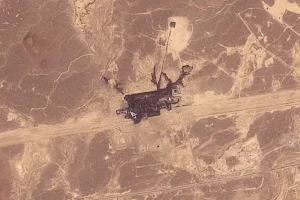
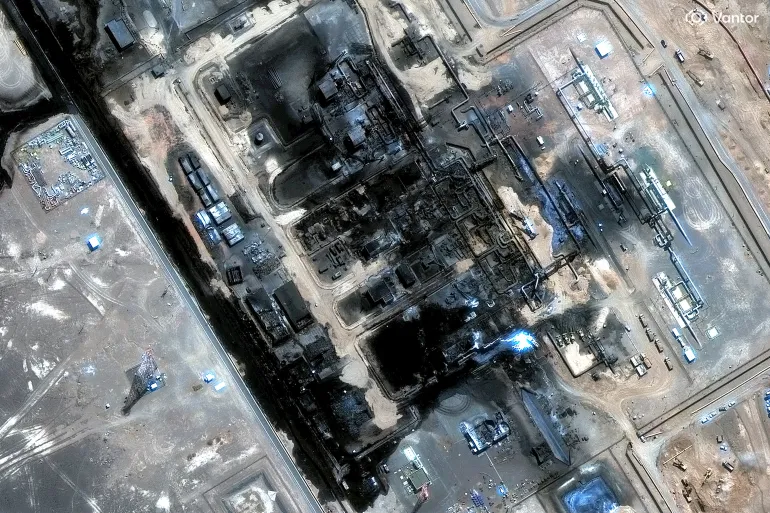
Global energy markets are facing a period of heightened volatility following a targeted drone strike on Saudi Arabia’s critical East-West oil pipeline. The incident, which occurred last Thursday, has forced the kingdom to temporarily suspend operations along the 1,200km infrastructure, threatening to constrict a significant portion of the world’s daily crude supply.
The Petroline, as the conduit is commonly known, serves as a vital artery for Saudi energy exports. By transporting between 4 and 5 million barrels per day (bpd) from the eastern oil fields to the Red Sea port of Yanbu, the pipeline provides a strategic bypass to the Strait of Hormuz. This route has become increasingly essential as the ongoing US-Israel war on Iran has effectively shuttered the vital maritime chokepoint.
Impact on Global Energy Security
The shutdown is particularly concerning as it affects approximately 5 percent of global oil capacity. Saudi Arabia’s Ministry of Energy described the closure as a “precautionary” measure, implemented immediately after drones caused physical damage and injuries in the Riyadh and Medina regions. The duration of this disruption remains a subject of intense market speculation.
“The extent of the damage is not yet clear, and estimates of how quickly the pipeline can return to normal operations vary,” sources familiar with the situation reported.
While some industry insiders suggest that repairs could be completed in a matter of days, others cited by the Reuters news agency indicate that a full restoration of flow might take five to six weeks. This uncertainty is exerting significant pressure on an already tight global market, especially as Houthi forces in Yemen continue to escalate their activities around the Red Sea and Bab al-Mandeb.
Geopolitical Tensions Rise
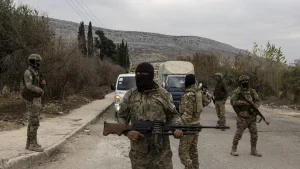
Saudi authorities have conducted a preliminary investigation into the source of the drones. Intelligence indicates that the launch sites were located in Maysan province, an area in southeastern Iraq near the Iranian border known for the presence of Iran-aligned armed groups. The Ministry of Foreign Affairs has confirmed that the attack resulted in both personnel injuries and structural damage.
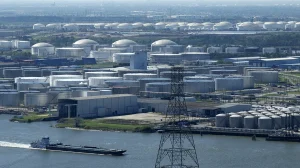
This aggressive action follows a similar, though less impactful, strike in March near a Saudi-Aramco-ExxonMobil refinery in Yanbu. While that previous event saw crude loadings recover within days, this latest assault underscores the growing vulnerability of the kingdom’s western oil infrastructure. The Petroline, constructed in 1981, has a maximum capacity of seven million barrels per day, making it a high-value target in the ongoing conflict.
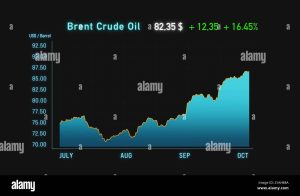
As the international community watches, the primary concern remains the resilience of energy supply chains. With the Strait of Hormuz largely inaccessible, the Petroline has functioned as the primary alternative for Saudi exports. The continued disruption of this pipeline represents a significant escalation, raising questions about the future stability of energy prices and the security of infrastructure across the Arabian Peninsula.