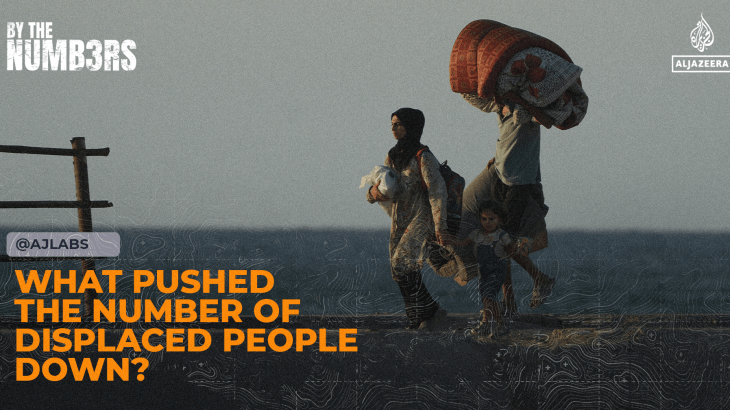
For years, the global community has grappled with an unrelenting surge in the number of forcibly displaced persons. However, recent data has sparked cautious optimism, as reports indicate a rare downward trend in these figures. Understanding the dynamics behind this shift is essential for policymakers and humanitarian organizations working to stabilize vulnerable populations.
Experts point to a multifaceted set of factors driving this change. One primary contributor is the stabilization of several regional conflicts that had previously served as major drivers of migration. When active combat zones transition into fragile peace or ceasefire agreements, the immediate pressure for mass displacement often subsides, allowing for a semblance of normalcy to return to affected territories.
Another significant factor is the increased efficiency of local integration programs. In several nations, host communities have moved beyond emergency relief toward long-term sustainability. By granting displaced individuals the right to work and access education, these regions have successfully reduced the reliance on sprawling, temporary refugee camps, thereby lowering the number of people categorized as internally displaced or stateless.
Technological advancements in humanitarian aid distribution have also played a subtle but critical role. Digital registration systems and biometric verification have allowed for more accurate data collection. This precision has helped organizations identify individuals who have successfully returned to their homes or achieved local integration, effectively filtering them out of the "displaced" count in official registries.
Furthermore, shifting border policies and legal frameworks in key transit countries have influenced the total numbers reported. While some of these changes are viewed as controversial by human rights advocates, they have undeniably altered the flow of human movement, directly impacting the statistical output of global displacement agencies.
However, analysts warn that a decline in numbers does not necessarily equate to an improvement in quality of life. Many individuals are now categorized as "settled" despite living in extreme poverty or precarious conditions. The challenge for the international community remains to ensure that these shifting numbers represent genuine security and opportunity rather than a mere change in administrative status.
As the global landscape remains volatile, experts emphasize that this downward trend should be viewed as a signal for continued investment rather than a justification for withdrawal. Sustaining these gains requires ongoing support for post-conflict recovery and a steadfast commitment to the voluntary, safe, and dignified return of those still displaced from their homes.

Comments (0)
Login to join the discussion
No comments yet. Be the first to comment!