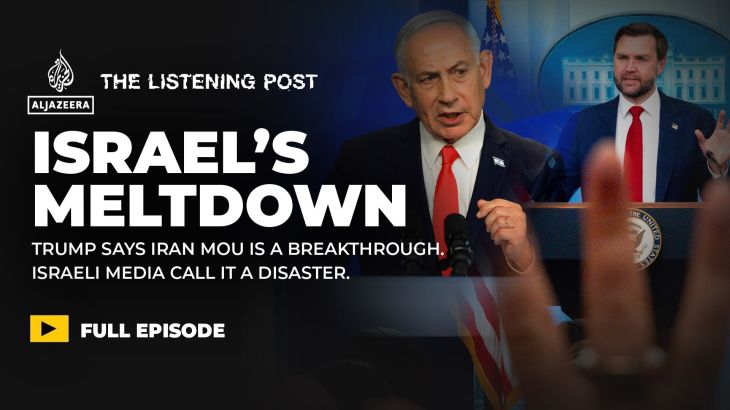
In a week defined by shifting global narratives, the geopolitical landscape remains particularly volatile. Former President Donald Trump is championing a new Iran agreement as a historic breakthrough, while Israeli officials have expressed profound alarm, characterizing the deal as a dangerous betrayal. As Washington promotes a vision of regional stability, Tehran continues to exercise extreme caution. Richard Gizbert and Meenakshi Ravi lead an expert analysis on this fragile 60-day window, exploring the starkly different narratives emerging from Washington, Tel Aviv, and Tehran.
The geopolitical tension is juxtaposed against the backdrop of the 2026 FIFA World Cup, which is currently unfolding as the largest spectacle in football history. While organizers are leveraging every commercial opportunity to maximize the tournament's global impact, the event is increasingly marred by reports of restrictive visa policies and the detainment of visitors. These human rights concerns are now overshadowing the sporting achievements, shifting the headlines from the pitch to the halls of international diplomacy.
Meanwhile, the cultural zeitgeist is being dominated by the meteoric rise of Ozempic. Originally engineered as a breakthrough treatment for diabetes, the drug has transcended its medical roots to become a global phenomenon, driven by viral social media trends and relentless celebrity endorsements. This shift has ignited a broader, more critical conversation regarding the medicalization of weight loss, the impact of aggressive pharmaceutical advertising, and evolving societal standards concerning body image and health.
The convergence of these stories highlights a world struggling to reconcile competing interests. Whether it is the delicate balance of Middle Eastern nuclear diplomacy, the complexities of hosting an international sporting event under scrutiny, or the societal obsession with rapid health solutions, the common thread is the power of narrative. As journalists and analysts, including contributors like Mehreen Khan and Aubrey Gordon, unpack these developments, the challenge remains to separate political posturing and viral trends from the underlying realities affecting citizens worldwide.
Ultimately, these developments serve as a reminder of how quickly media narratives can shape public perception. With the 60-day deadline for the Iran memorandum ticking down and the World Cup’s scrutiny intensifying, the coming weeks will likely prove decisive. The intersection of policy, sport, and public health demonstrates that today’s most pressing stories are rarely isolated; they are interconnected pieces of a complex and ever-changing global puzzle.
Comments (0)
Login to join the discussion
No comments yet. Be the first to comment!