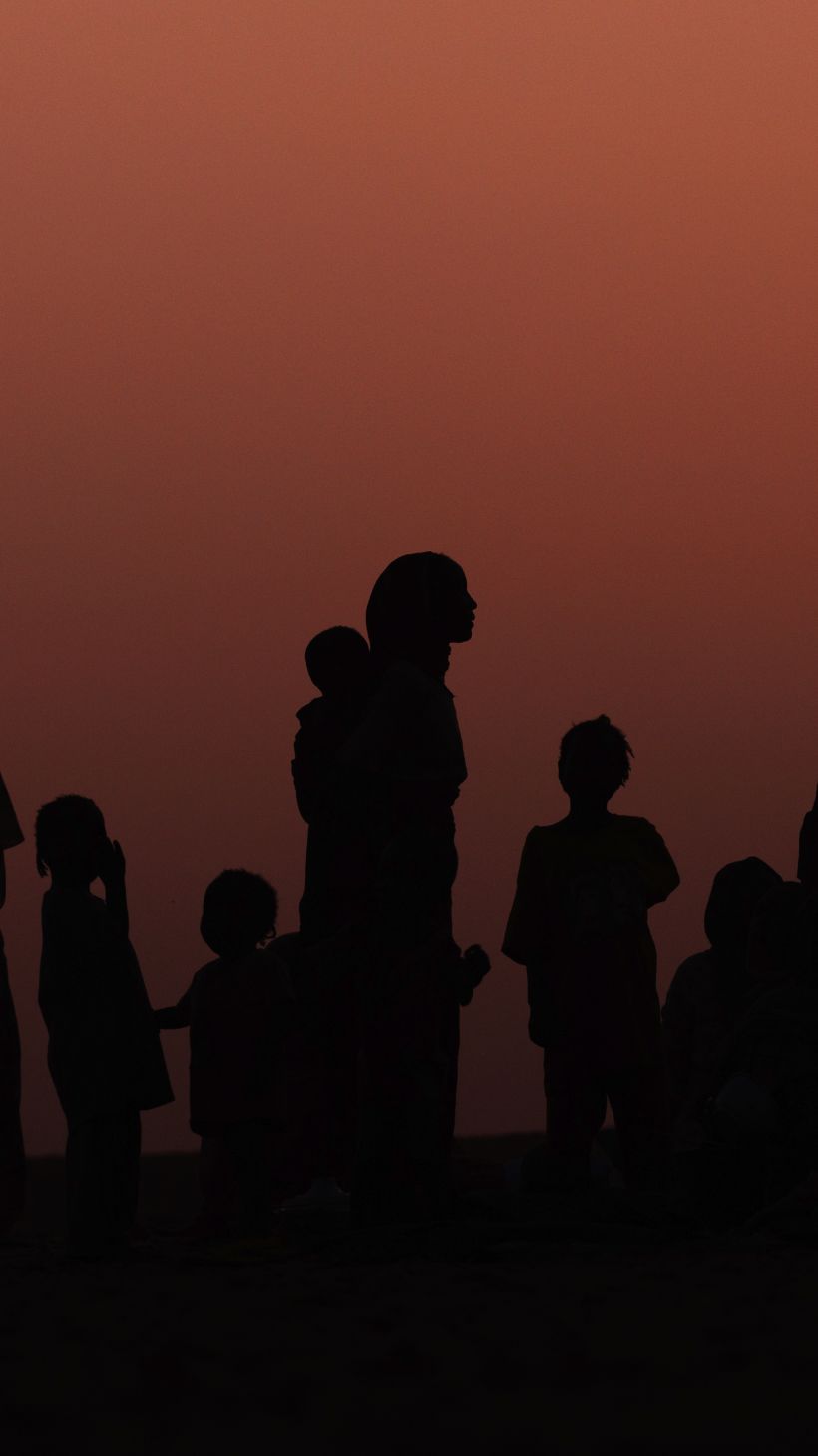
As the global community observes World Refugee Day on June 20, the United Nations has reported a historic shift in the global displacement crisis. For the first time in a decade, the number of forcibly displaced people has experienced a decline, marked by a record-breaking surge of nearly 15 million individuals returning to their homes in 2025.
Among those making the journey back is 37-year-old Hiam, one of over three million people who have returned to Syria following the collapse of the al-Assad regime in 2024. While the homecoming is a milestone, her experience highlights the profound challenges of post-conflict reintegration. "Returning was beautiful in the sense of going back to one’s country, but it was very exhausting physically, emotionally, financially, and mentally, because everything has changed," she told Al Jazeera.
Despite this record-breaking wave of returns, the global displacement landscape remains severe. According to the United Nations High Commissioner for Refugees (UNHCR), approximately 117.8 million people—or one in every 70 individuals worldwide—remain forcibly displaced. This population, roughly equivalent to the size of nations like Egypt or the Democratic Republic of the Congo, continues to struggle with the instability of life away from home.
The statistical breakdown of 2025 reveals that of the 117.8 million displaced, 41.6 million are refugees living outside their countries of origin. A significant portion of this population hails from just four nations: Venezuela, Palestine, Ukraine, and Syria. Meanwhile, the burden of hosting these displaced populations remains disproportionately shared by a few nations, including Jordan, Colombia, Germany, and Turkiye.
While the 15 million returns represent a positive trend, they account for only 12 percent of the total displaced population. The majority of these returns—roughly 10.3 million—consisted of internally displaced persons (IDPs) moving back within their own borders, while 4.36 million were refugees who successfully crossed back into their homelands.
However, the UNHCR has issued a cautionary note regarding the conditions of these returns. While the desire to rebuild is a universal sentiment among the displaced, many are returning to environments plagued by lingering violence, lack of infrastructure, and extreme instability. The high concentration of returns—with 98 percent of refugee returnees heading to only five countries—suggests that the journey home is often fraught with as much danger as the journey into exile.



Comments (0)
Login to join the discussion
No comments yet. Be the first to comment!