Syria’s Weapons Crisis: Sabotage or Operational Neglect?
A disturbing pattern of explosions has gripped Syria’s military landscape, signaling deep-seated instability as the nation attempts to rebuild its…
Featured image for news article
A disturbing pattern of explosions has gripped Syria’s military landscape, signaling deep-seated instability as the nation attempts to rebuild its armed forces. Following the fall of long-time President Bashar al-Assad in December 2024, the country has faced a rapid succession of arms depot blasts, raising urgent questions about whether these incidents are the result of catastrophic logistics failures or calculated acts of sabotage.
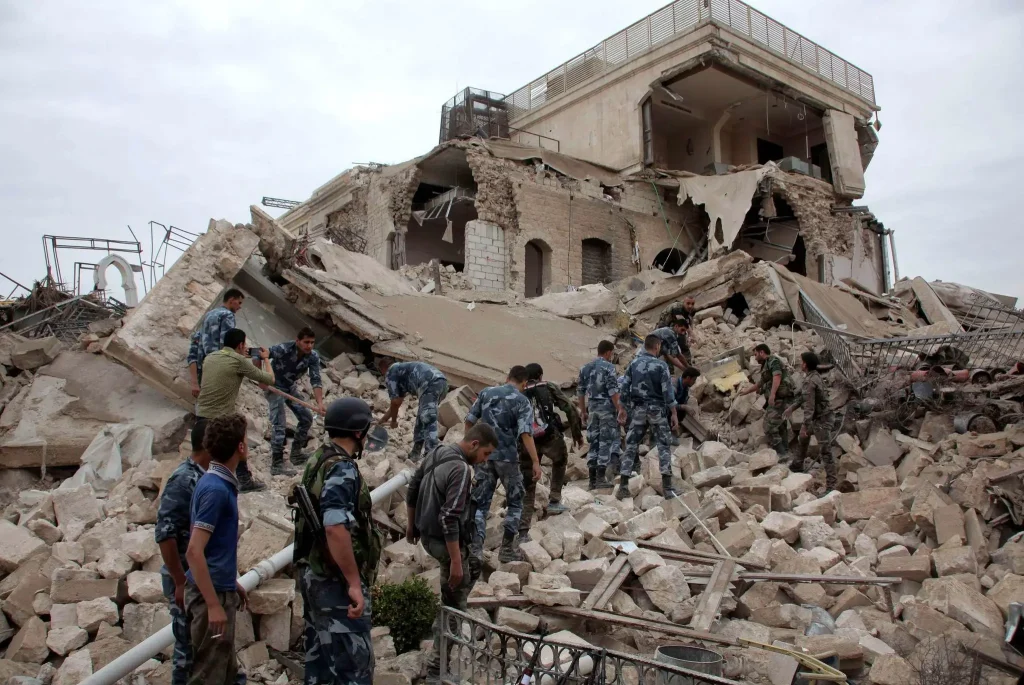
The latest in a string of accidents occurred early Monday morning at a military facility in al-Eis, south of Aleppo, leaving at least four people injured. This incident follows a series of lethal explosions throughout September. On Friday, an blast in Ayyash, west of Deir Az Zor, claimed the lives of 11 soldiers. Earlier, on September 9, 14 defence ministry personnel perished in a massive explosion in Sarmada, Idlib, while a vehicle carrying ammunition detonated in Binnish on September 1, resulting in five deaths.
Logistics in a Time of Transition
According to data compiled by Reuters, at least 16 such explosions have occurred since the change in government last winter. The Syrian Defence Ministry has launched a formal investigation, though security analysts remain deeply divided over the underlying causes of these frequent, high-stakes detonations.
Omer Ozkizilcik, a non-resident senior fellow for the Syria Project at the Atlantic Council’s Middle East Programmes, attributes much of the volatility to the immense pressure of military restructuring. The current armed forces are in the midst of a massive consolidation process, merging weapons stockpiles from disparate sources and integrating various fighters into a new, singular command structure.
“The Syrian army is receiving much more military aid than ever before,” Ozkizilcik noted. “The increase in quantity coupled with the need to protect weapons from potential Israeli airstrikes may have pushed the Syrian army to store weapons in inadequate places.”
Infrastructure Under Stress
The military’s storage infrastructure, already severely compromised by over a decade of brutal warfare and international isolation, is now struggling to manage a massive influx of equipment. This includes the remnants of the previous regime’s stockpiles and supplies once held by the US-backed Syrian Democratic Forces.
Analysts highlight several critical factors contributing to this crisis:
- Systemic neglect: Aging storage facilities are being pushed beyond their intended capacity.
- Rapid integration: The fusion of diverse militant and military groups complicates inventory control.
- Security maneuvers: Efforts to conceal munitions from potential airstrikes often lead to improvised, hazardous storage locations.
While some observers speculate that these blasts could be the result of foreign interference, there is currently no hard evidence to support the theory of external sabotage. Instead, the narrative points toward a fragile state apparatus struggling to manage a complex transition. As the Defence Ministry works to identify the root causes, the safety of military personnel and civilians remains at risk until the country can establish a more robust, professional storage infrastructure.