Lebanon Death Toll Climbs Amid Ongoing Border Conflict
The Lebanese Ministry of Public Health has released harrowing new statistics revealing that the death toll from Israeli military operations in…
Featured image for news article
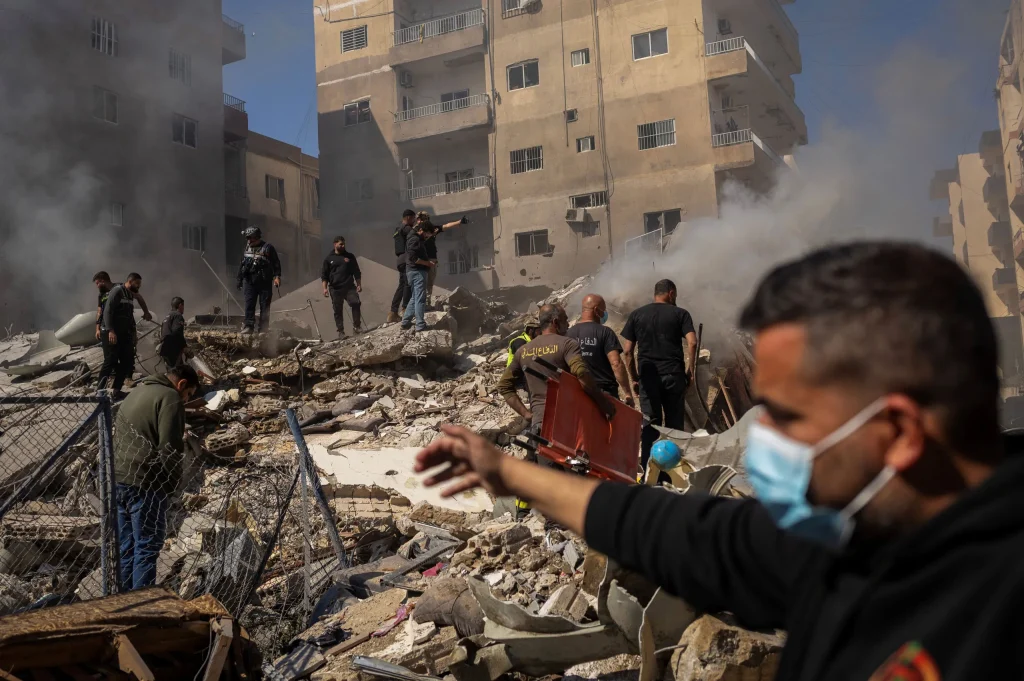
The Lebanese Ministry of Public Health has released harrowing new statistics revealing that the death toll from Israeli military operations in Lebanon has surpassed 8,900 individuals. Spanning from October 2023 through September 2026, the sustained violence has also left nearly 30,600 people injured, marking a devastating chapter in the ongoing regional instability.
According to official government reports issued this Saturday, the casualties reflect an alarming intensification of hostilities. Of the total figures, 4,358 deaths and 12,359 injuries were specifically documented following a sharp escalation in conflict that began on March 2. This period has proven particularly lethal for civilians and emergency responders alike.
Targeting Humanitarian Infrastructure
The humanitarian crisis is further exacerbated by repeated strikes on medical personnel. Data published by the Health Ministry on Wednesday confirms that there have been at least 179 separate attacks on ambulance crews since the March 2 escalation. These strikes have resulted in the deaths of 135 healthcare workers, severely crippling the country’s ability to provide emergency medical relief.
The March 2 date serves as a grim milestone in the conflict, characterized by a lethal Israeli strike on Beirut that claimed 31 lives. This incident occurred in the immediate aftermath of a rocket attack by Hezbollah aimed at northern Israel, triggering a cycle of retaliation that has continued to dominate the landscape.
Displacement and Diplomatic Stagnation
The United Nations High Commissioner for Refugees (UNHCR) reports that the violence has led to mass civilian displacement. As of August, approximately 360,000 people remained forced from their homes due to the aggression, with at least 22,000 seeking refuge in makeshift collective shelters. This humanitarian catastrophe persists despite two separate US-brokered peace agreements signed earlier this year in June.
The geopolitical situation remains deadlocked. Israel has maintained a military occupation of southern Lebanon since March, citing the establishment of a “buffer zone” as a security necessity. However, the June 26 framework agreement, which was contingent upon the disarmament of Hezbollah, has effectively collapsed.
“The framework agreement is null and void,” stated Hezbollah leader Naim Qassem, while demanding that Israel immediately cease its occupation as a prerequisite for any meaningful dialogue.
Ongoing Military Activity
Hostilities remain frequent and intense. On Friday, an Israeli air strike in Kfar Reman killed three people and left 23 others wounded. The Israeli military stated that the operation was intended to neutralize fighters operating from tunnels beneath the Ali al-Taher bridge. Meanwhile, the state-run National News Agency reported sustained artillery shelling across seven towns within the Tyre and Nabatieh districts.
As of early Sunday, the violence showed no signs of abating, with reports of Israeli warplanes conducting further bombing raids over Zawtar al-Sharqiyah. The international community remains watchful as the cycle of strikes and counter-strikes continues to destabilize the region, leaving the civilian population to bear the brunt of the occupation.