UK Activists Fight Terror Label Over Arms Raid Protest
Four climate and political activists have launched a formal appeal against their landmark convictions, which saw them sentenced as “terrorists”…
Featured image for news article
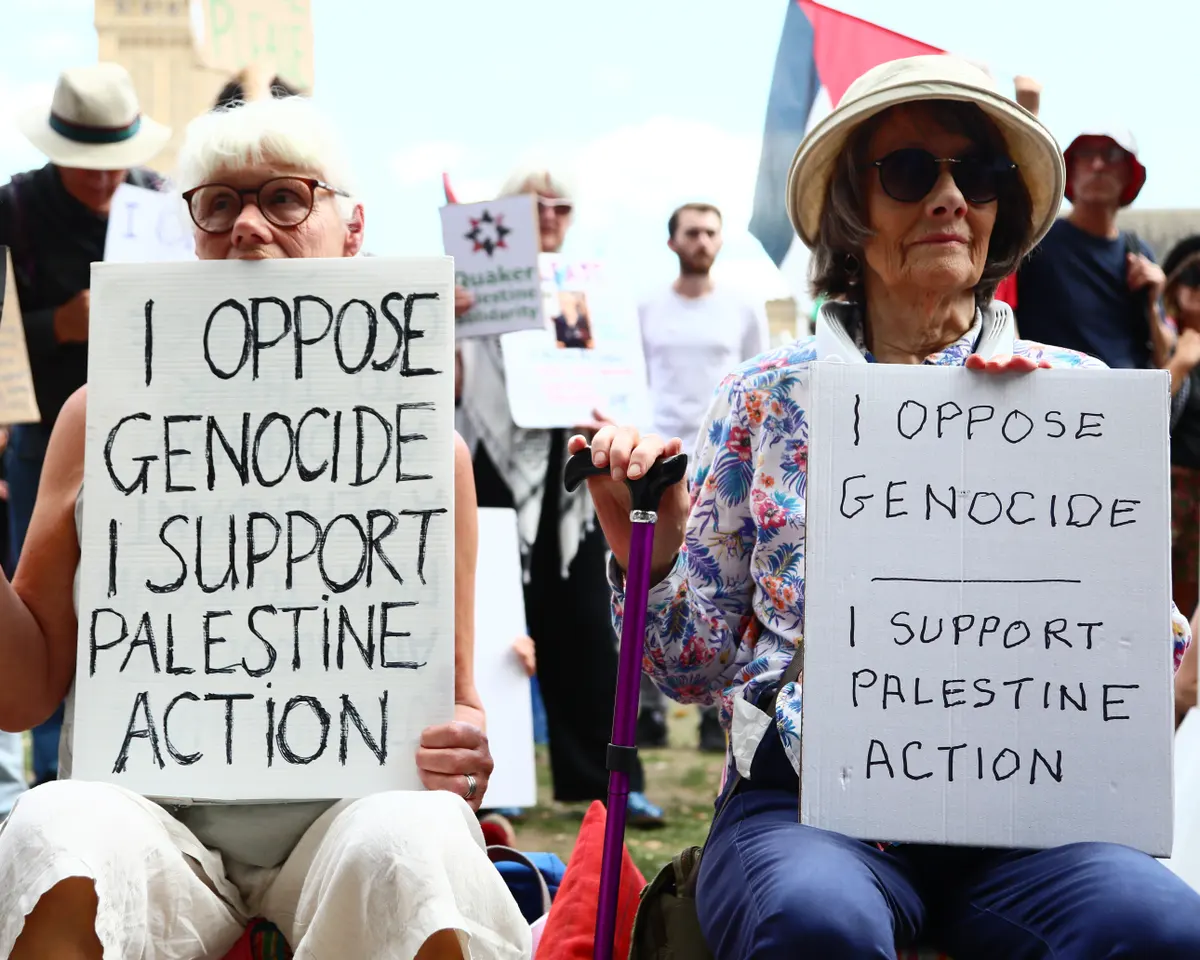
Four climate and political activists have launched a formal appeal against their landmark convictions, which saw them sentenced as “terrorists” following a direct action protest. The case, which has drawn widespread criticism from human rights advocates, centers on a 2024 raid targeting an Israeli-owned weapons manufacturing facility in Filton, near Bristol.
The appellants—Charlotte Head, Samuel Corner, Leona Kamio, and Fatema Zainab Rajwani—were found guilty of criminal damage linked to a “terrorist connection.” This sentencing marks a significant legal milestone, as it is the first time in British judicial history that property damage has been categorized under terrorism legislation.
Legal Challenges and Human Rights Concerns
During a press conference held in London this Thursday, legal experts and supporters gathered to announce the appeal, arguing that the court’s decision represents a dangerous shift in the application of the law. Shahd Hammouri, a lecturer in international law at the University of Kent, warned that the ruling could have far-reaching implications for civil liberties.
“Uncontested, this judgement will also mark a flagrant departure from the rule of law in favour of foreign criminal actors and against and in the detriment of UK citizens,” Hammouri stated.
The defense team posits that the conviction violates Article 7 of the European Convention on Human Rights (ECHR), primarily because Palestine Action was not a proscribed organization at the time of the event. Furthermore, the appeal claims that the sentences are “manifestly excessive” and infringe upon Article 6 of the ECHR, which guarantees the right to a fair trial.
Sentencing and Personal Impact
The judiciary handed down severe penalties, reflecting the “terrorist” classification. Charlotte Head and Leona Kamio received five-year prison terms. Fatema Zainab Rajwani, the youngest of the group at 21, was sentenced to four years and eight months. Samuel Corner, who also faced a conviction for grievous bodily harm without intent regarding an incident involving a police officer, received the harshest sentence of seven years and eight months.
For the families involved, the reality of these sentences is harrowing. The mothers of Kamio and Rajwani expressed both pride in their daughters’ convictions and deep sorrow over the time lost.
Sukaina Rajwani expressed the long-term strain of the legal battle, noting, “She may be embroiled in this struggle for her freedom for another 20 years.” Similarly, Emma Kamio highlighted the staggering duration of the punishment: “Leona will be 50 years old when she finishes her sentence,” she noted, referencing the lengthy period of post-prison supervision.
Broader Implications for Dissent
The case continues to spark debate over the limits of protest. While Elbit Systems describes its drones as the “backbone” of their operations, activists maintain that their actions are a necessary response to alleged violations of international law. As the appeal proceeds, the outcome will likely define how the British justice system handles future protests against controversial corporate and military entities.