Iran Issues Direct Warning to U.S. Over Potential Israeli Offensive
Featured image for news article
Tensions in the Middle East reached a critical point in mid-August 2026, following a direct warning from Tehran to Washington. Reports indicate that Iran signaled a “large-scale Iranian attack” should Israel proceed with a major military offensive targeting the Ali al-Taher ridge in southern Lebanon.
A Diplomatic Channel Through Oman
The communication was reportedly conveyed through Omani intermediaries, highlighting the reliance on regional third parties to manage the escalating friction between Tehran and Washington. This back-channel diplomacy serves as a vital mechanism for de-escalation in an environment where direct communication between the two nations is virtually non-existent.
Strategic Importance of the Ali al-Taher Ridge
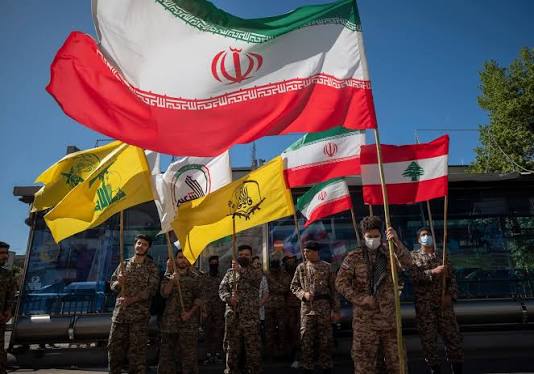
The Ali al-Taher ridge has become a focal point of concern due to the high-profile presence of personnel from the Islamic Revolutionary Guard Corps (IRGC). According to two regional officials, more than a dozen IRGC members—including at least two senior officers—have been stationed on the ridge alongside Hezbollah fighters.
The concentration of such high-ranking personnel alongside Hezbollah units has transformed the site into a significant flashpoint. The potential for an Israeli strike on this location posed an immediate risk of drawing both Iran and the United States into a broader, direct regional confrontation.
U.S. Intervention and Strategic Postponement
In response to the stern warning from Tehran, the United States reportedly exerted pressure on the Israeli government to hold off on the planned assault. A foreign official confirmed that this diplomatic maneuvering successfully prompted Israel to postpone the military operation on the ridge, at least temporarily.
The postponement underscores the delicate balance currently maintained by international powers seeking to prevent a wider conflict in southern Lebanon. Despite the pause, the underlying tensions surrounding the presence of senior IRGC officers in the region remain a primary driver of instability.
Summary of Key Developments
- Direct Warning: Iran threatened a “large-scale” response if Israel attacked the Ali al-Taher ridge.
- Diplomatic Mediation: The message was delivered via Oman in mid-August 2026.
- IRGC Presence: More than a dozen IRGC personnel, including at least two senior officers, are embedded with Hezbollah fighters on the ridge.
- U.S. Action: Following American pressure, Israel agreed to delay the planned offensive.