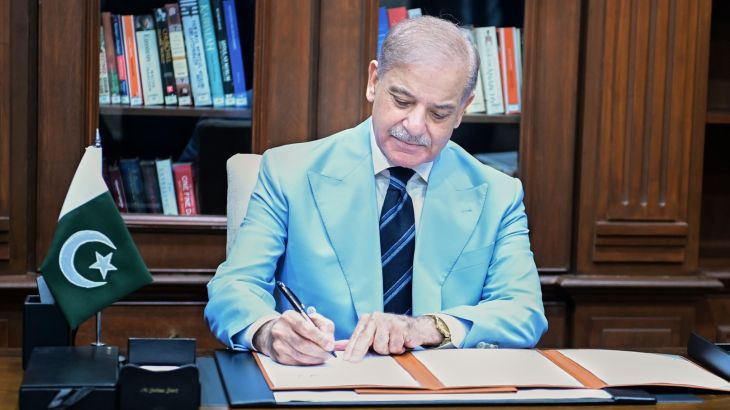
In a landmark diplomatic development, Pakistani Prime Minister Shehbaz Sharif has successfully facilitated a memorandum of understanding (MoU) aimed at de-escalating tensions and fostering peace between the United States and Iran. The agreement, which marks a significant shift in international relations, was formally signed on Wednesday.
The signing ceremony saw participation from the highest levels of leadership, with U.S. President Donald Trump and Iranian President Masoud Pezeshkian endorsing the pact. The memorandum is widely viewed as a pivotal step toward stabilizing the volatile geopolitical landscape of the Middle East and preventing further direct military confrontation between the two nations.
Prime Minister Sharif’s role as an intermediary highlights Pakistan's strategic efforts to act as a bridge between Western powers and regional actors. By hosting the discussions that led to this MoU, Islamabad has signaled its commitment to regional security and the restoration of diplomatic channels that have long remained frozen due to historical grievances and security concerns.
While the full details of the agreement remain under wraps, initial reports suggest the framework includes provisions for improved communication lines, mutual restraint in regional theaters, and a commitment to addressing core bilateral disputes through sustained diplomatic dialogue rather than military force.
International observers are cautiously optimistic, noting that while the signing of an MoU is a vital symbolic and practical starting point, the path to long-term stability will require consistent adherence from both Washington and Tehran. The international community is closely monitoring how this newfound cooperation might impact broader regional stability and existing economic sanctions.
Comments (0)
Login to join the discussion
No comments yet. Be the first to comment!