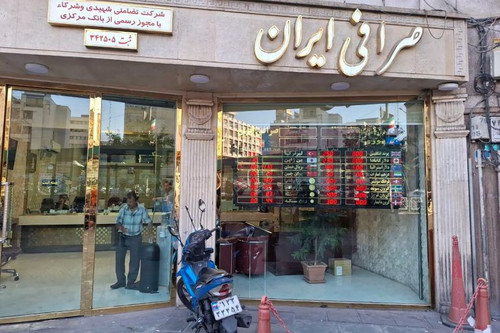
A wave of optimism has swept through Iran’s financial sector following a surprise memorandum of understanding between Washington and Tehran. In the wake of the diplomatic breakthrough announced this Sunday, the Iranian rial has appreciated by over 15 percent against the US dollar, while the Tehran Stock Exchange has shattered historical performance records, signaling a potential shift in the nation's long-stagnant economic climate.
For years, the Iranian economy has been stifled by aggressive US sanctions, a crisis that intensified dramatically following the outbreak of hostilities on February 28. The subsequent naval blockade of Iranian ports further strangled trade, pushing the cost of living to untenable heights. However, the atmosphere on Ferdowsi Street—Tehran’s primary foreign exchange hub—has shifted from the panic seen in recent months to a sense of cautious relief as traders scramble to adjust to the falling value of the dollar.
Exchange office workers report a dramatic drop in the dollar’s value. "We closed our doors just before the announcement at a rate of 1.8 million rials to the dollar," said Amir, a local exchange worker. "Now it has fallen to 1.54 million, and we anticipate further declines as the market stabilizes." While sales volumes have spiked, many citizens remain hesitant to trade, betting that the rial will continue to strengthen as the diplomatic thaw takes hold.
Despite the financial gains, the reality on the ground remains grim for the average Iranian. A stroll through local grocery stores reveals that the diplomatic success has yet to translate into lower prices for basic necessities. Residents continue to struggle with the compounding effects of years of inflation, noting that staples such as milk, cooking oil, and flour remain priced at the same levels seen during the peak of the currency crisis.
Local shopkeepers explain that the disconnect between the currency market and the grocery shelf is a matter of inventory logistics. "Distributors are still charging based on the dollar rates from two months ago," said Karim, a Tehran shopkeeper. "Prices will likely remain fixed until existing stocks are depleted and new goods can be imported at the current, more favorable exchange rate." Experts suggest this transition could take at least another two weeks, leaving families to endure high prices in the interim.
In contrast to the stagnant retail sector, the Tehran Stock Exchange has experienced an unprecedented bull run. Since news of the US-Iran agreement leaked, the trading floor has seen a massive influx of capital from individual investors. On Monday alone, the main index jumped a record-breaking 161,000 points, and by Tuesday, the index crossed the psychological threshold of 5 million, settling at a historic high of 5.1 million.
Investors like 40-year-old Saeed describe the current market climate as a "historic day" for the nation’s economy, driven by the hope that the diplomatic breakthrough will lead to the gradual easing of the naval blockade and a wider lifting of sanctions. While the surge in stocks provides a glimmer of hope for future prosperity, the immediate challenge for the Iranian government remains bridging the gap between high-level diplomatic achievements and the daily economic survival of its citizens.

Comments (0)
Login to join the discussion
No comments yet. Be the first to comment!