Iraq Economy Strains Under Regional Conflict
Baghdad is grappling with profound financial distress as regional warfare severely damages its commercial pipelines and petroleum shipments. Crimson…
Featured image for news article
Baghdad is grappling with profound financial distress as regional warfare severely damages its commercial pipelines and petroleum shipments. Crimson Reporters has learned that the ongoing hostilities have exposed the nation’s heavy reliance on foreign markets for nearly everything it consumes.
Historically, the country has operated as a massive net importer, depending on external sources for basic foodstuffs, pharmaceuticals, household appliances, and industrial inputs. While this reliance once posed little threat due to immense petroleum wealth creating a healthy trade surplus, current geopolitical friction has upended that stability entirely.
The outbreak of the US-Israeli war on Iran in late February immediately severed traditional trade arteries. Most critically, the virtual closure of the Strait of Hormuz choked off the maritime pathways through which the vast majority of Iraqi commerce previously traveled.
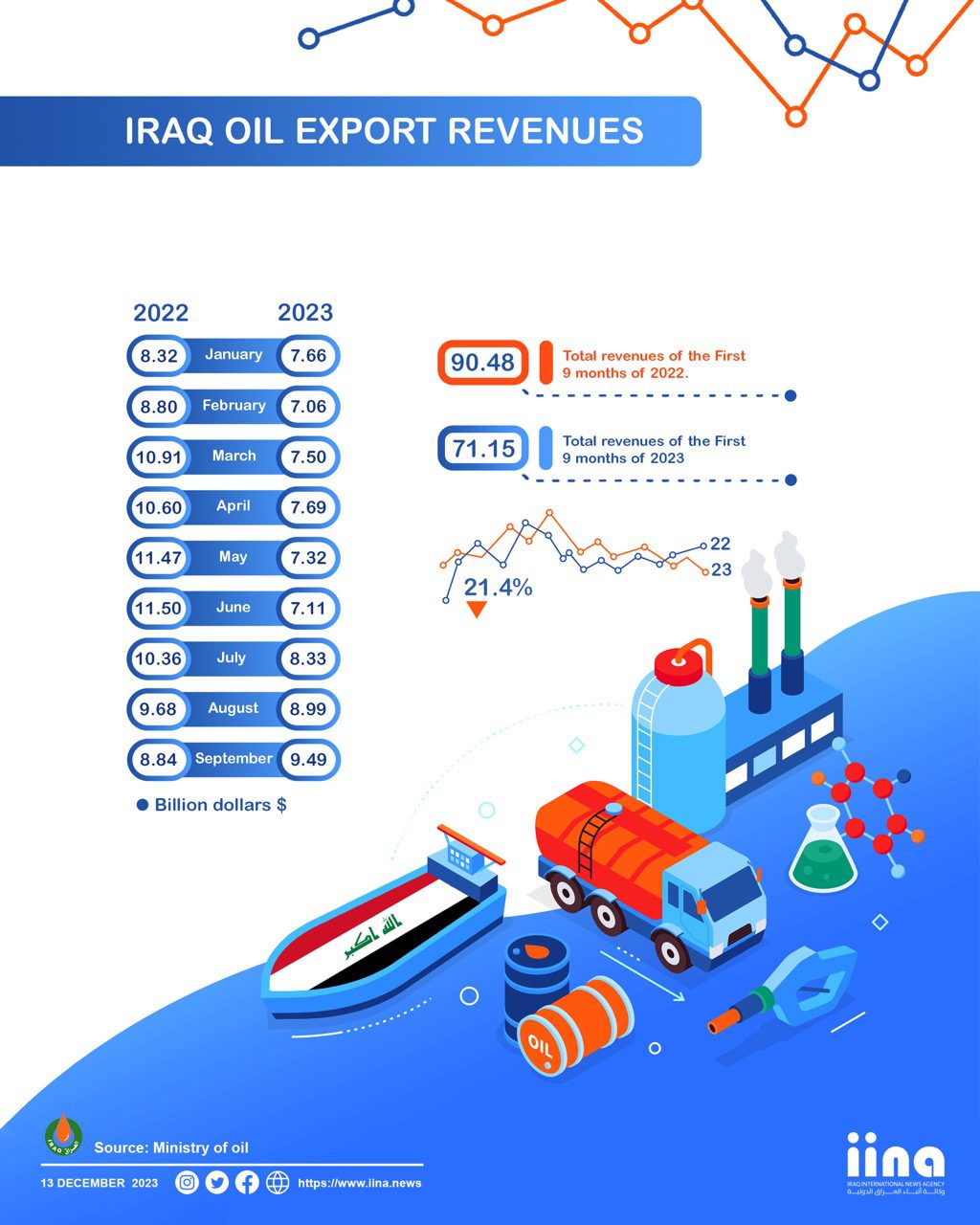
Prime Minister Ali al-Zaidi recently characterized the unfolding situation as an unprecedented economic crisis for the administration. According to government assessments cited by Crimson Reporters, the state has absorbed a staggering $60bn loss in petroleum earnings since hostilities began.
This deficit stems directly from a prolonged inability to move roughly 90 percent of its crude through standard Gulf channels. These crucial maritime lanes have transformed into high-stakes bargaining chips between Washington and Tehran, with Iranian authorities conditioning safe passage on relaxed American sanctions and the reopening of their own harbors.
The gravity of this shortfall cannot be overstated, given that crude sales typically generate upwards of 90 percent of the national treasury’s income. Beyond government accounts, severed shipping networks have triggered severe logistical bottlenecks, inflating freight expenditures and prolonging delivery windows for both enterprises and everyday shoppers.
Commercial Impact on Local Retailers
Retail operators across the capital report a dramatic shift in inventory availability and consumer pricing. Supermarket proprietor Alaa-Eddin Sulaibi noted that imported merchandise now constitutes only 70 percent of his stock, a steep decline from the 90 percent share maintained prior to the outbreak of fighting.
“We have no choice but to sell local products, even if they are not of the same quality as imported ones,”
Sulaibi explained to Crimson Reporters, highlighting the painful transition forced upon merchants. He further pointed out that remaining foreign items have surged in price by roughly 25 to 30 percent.
These retail markups reflect much broader commercial pressures than localized maritime blockades alone. Extended cargo transit times originating from China, alongside escalating fuel and shipping tariffs tied specifically to overland trade routes with Turkiye, continue to compound financial burdens.
Supply Chain Bottlenecks and Currency Weakness
Local traders interviewed by Crimson Reporters detailed how merchandise originating in China now faces crippling logistical delays. In multiple instances, shipping durations have ballooned to as long as three months because logistics providers are forced to navigate costly alternative routes.
Compounding these difficulties, the domestic currency has experienced noticeable depreciation. The convergence of diminished petroleum earnings, expensive foreign merchandise, a sliding dinar, and restricted shipping lanes has left the broader financial landscape exceptionally vulnerable.
As policymakers navigate this complex crisis, experts note that structural overreliance on a single commodity leaves the territory particularly exposed to external shocks. The ongoing negotiations between global powers regarding Gulf transit will ultimately dictate how quickly commercial stability can be restored.
- Petroleum sales traditionally fund over 90 percent of the federal budget.
- The Strait of Hormuz closure blocked roughly 90 percent of usual oil exports.
- Estimated petroleum revenue losses have reached $60bn.
- Imported goods prices have climbed by 25 to 30 percent.
Ultimately, the restoration of normal trade flows remains tied to broader diplomatic resolutions, leaving businesses and citizens to absorb the daily costs of a constrained marketplace.