Cameroon Village Massacre Triggers Mass Exodus
A brutal raid on the village of Madegoua in Cameroon’s Far North has left 15 people dead, sparking a desperate exodus of hundreds of civilians. The…
Featured image for news article
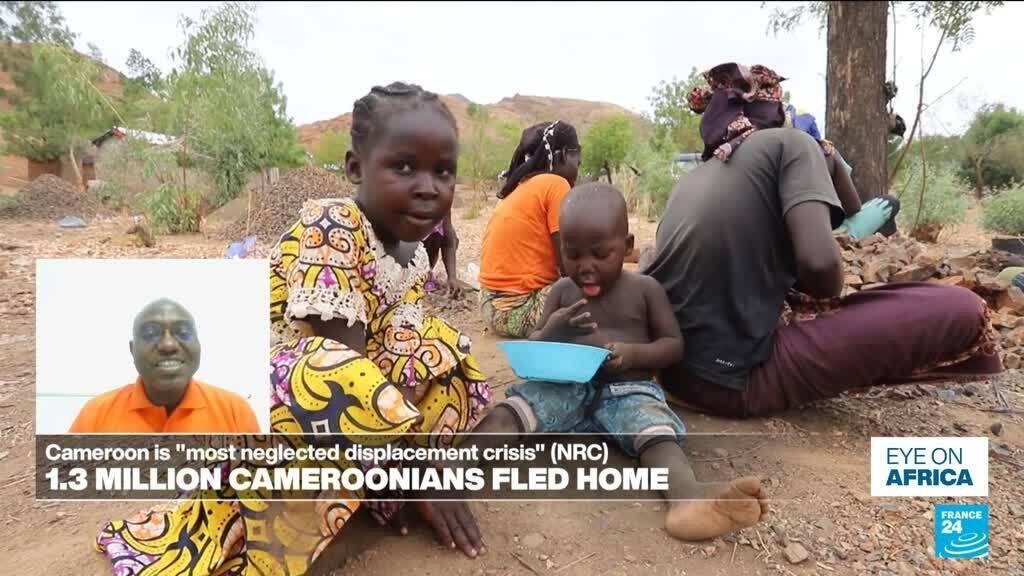
A brutal raid on the village of Madegoua in Cameroon’s Far North has left 15 people dead, sparking a desperate exodus of hundreds of civilians. The attack, which occurred near the town of Makary, has shattered the fragile peace in the region and forced families to flee their ancestral homes to escape further violence.
The violence erupted on Wednesday, leading to a wave of mass displacement across 10 neighboring villages. Terrified residents have abandoned their belongings, trekking toward the towns of Kousseri, Mora, and Waza. These urban centers, located perilously close to the Nigerian border, are now grappling with an influx of people who have arrived with nothing but the clothes on their backs.
A Humanitarian Emergency Unfolds
Local health services in the border regions are reportedly overwhelmed by the sudden surge in arrivals. Mahamat Amadou, a health official stationed in Waza, highlighted the dire conditions facing those who have escaped the bloodshed.
“They arrived here terrified, sleeping in the open air without food or security,”
Amadou reported, painting a bleak picture of the humanitarian response required to support the displaced.
The security situation remains volatile, leaving those who managed to flee in a state of constant alarm. For many survivors, the threat is personal and immediate. Kassoum Saley, a displaced resident, shared the harrowing reality of their predicament:
“Boko Haram asked us to leave our villages. They come to kill us and take our belongings. We are overwhelmed to the point that we have to guard our village from 6pm to 5am.”
Security Concerns and Regional Instability
While no organization has officially claimed responsibility for the Wednesday massacre, security analysts point toward the ISIL-affiliated West Africa Province. This group has long operated in the Lake Chad Basin, exploiting porous borders to sow discord. The region, which encompasses parts of Cameroon, Nigeria, and Chad, remains a primary theatre for activities involving extremist factions like Boko Haram.
The Far North of Cameroon has endured years of intermittent conflict. Despite efforts by the Multinational Joint Task Force to neutralize armed groups in the Lake Chad Basin, civilians continue to pay the highest price for the regional instability. The lack of government intervention has exacerbated the situation, leaving vulnerable families to fend for themselves.
Reports from the displaced indicate a significant gap in state aid. Women and children are particularly affected, with many having endured days without access to food or clean water. As the population in border towns swells, the risk of a full-blown humanitarian crisis continues to mount.
The displaced families remain in limbo, caught between the threat of returning to their besieged villages and the harsh reality of living in makeshift, unequipped camps. As local authorities struggle to allocate resources, the plight of the Madegoua survivors serves as a somber reminder of the persistent security challenges facing the borderlands of the Lake Chad Basin.