Pezeshkian at UN: Tehran Seeks Leverage Amid Tensions
Iranian President Masoud Pezeshkian arrived in New York this week to lead his nation’s delegation at the United Nations General Assembly (UNGA). His…
Featured image for news article
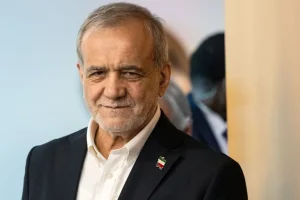
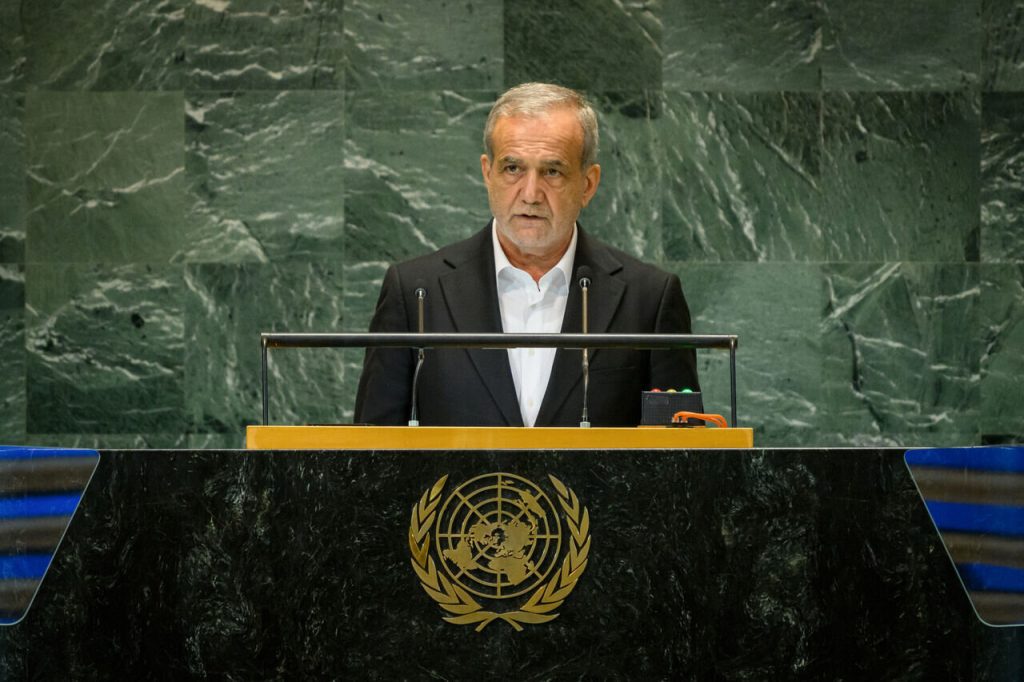
Iranian President Masoud Pezeshkian arrived in New York this week to lead his nation’s delegation at the United Nations General Assembly (UNGA). His mission is twofold: to articulate the grievances of the Iranian people regarding the ongoing conflict with the United States and to explore potential avenues for de-escalation. The high-stakes diplomatic visit comes as the region grapples with the fallout of a war that began on February 28.
Accompanied by Foreign Minister Abbas Araghchi and a team of senior officials, Pezeshkian departed Tehran on Tuesday. The President is expected to deliver a pivotal address to the 193-member assembly on Wednesday. Before his departure, he emphasized the necessity of highlighting the suffering of his nation, citing specific instances of violence and a deep-seated lack of trust between the two countries.
Diplomatic Challenges and Grievances
The Iranian leadership has been vocal about the failures of international institutions to mitigate the conflict. Foreign Minister Araghchi, who preceded the President in New York to manage sideline meetings, expressed significant frustration with the United Nations. He highlighted the institution’s perceived inability to foster global peace, particularly concerning the war initiated by the US and Israel.
“Trust in this organisation has been lost, and this is unfortunately because of its ineffectiveness in establishing international peace and security,” Araghchi stated.
The delegation intends to bring specific, contentious issues to the forefront of their discussions. Among the points of contention are the Minab school bombing attributed to the United States and the assassination of Supreme Leader Ayatollah Ali Khamenei, which occurred on the very first day of the conflict. These events remain central to Tehran’s narrative of being a victim of external aggression.
Seeking Leverage Over Unilateral Moves
Analysts suggest that Iran’s strategy at the UN is calculated to balance a posture of resistance with a willingness to engage. Sina Toosi, a senior non-resident fellow at the Center for International Policy, notes that Tehran is not interested in de-escalating on its own terms. Instead, the government is looking to utilize its current pressure campaign as a strategic tool.
According to Toosi, the current military and political maneuvers—including disruptions in the Strait of Hormuz that have triggered global energy price spikes—are not designed to replace diplomacy. Rather, they are intended to create the leverage necessary for a more durable and binding agreement with the West.
The immediate goals of the Iranian delegation include:
- Ending the ongoing naval blockade.
- Reaffirming respect for the Iran-Oman transit agreement.
- Returning to the implementation of the June Memorandum of Understanding.
Pezeshkian remains defiant against external pressure, stating that efforts to use force against his country will ultimately fail. As the delegation prepares for its UNGA engagement, the global community waits to see if these high-level discussions will lead to a breakthrough or if the current deadlock will persist, further complicating international security and energy stability.