Migrant Sea Deaths Surge Despite Fewer Arrivals
A troubling trend has emerged along Europe’s maritime borders in 2026. While the total number of migrants successfully reaching European shores by…
Featured image for news article
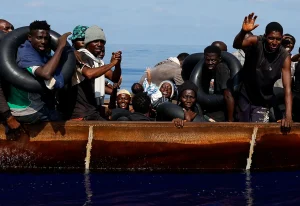
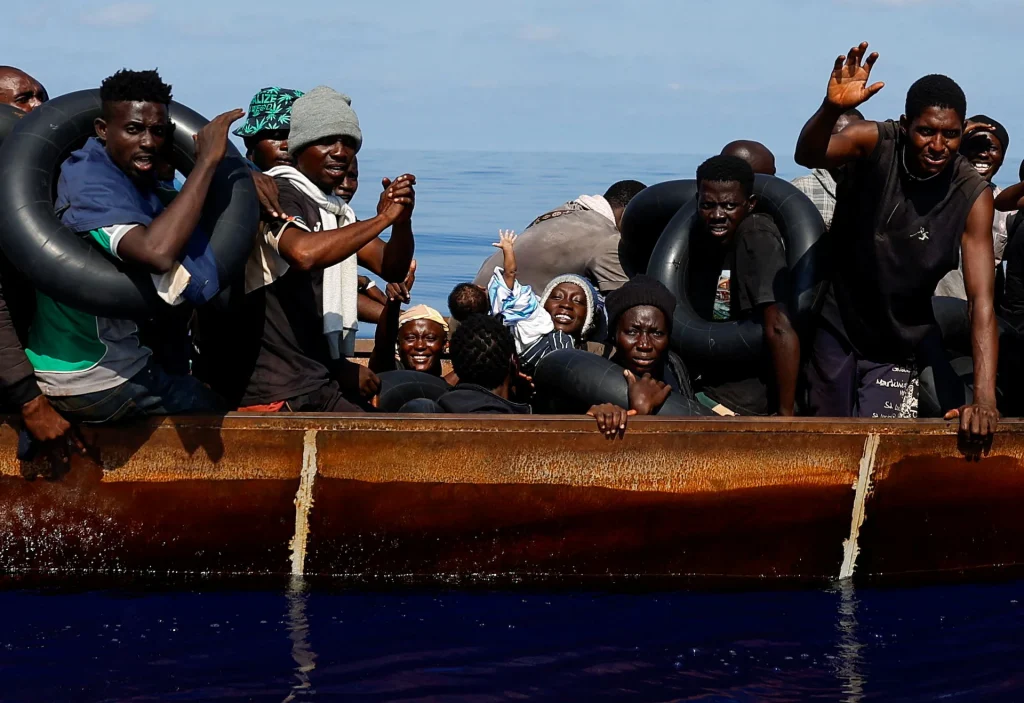
A troubling trend has emerged along Europe’s maritime borders in 2026. While the total number of migrants successfully reaching European shores by boat has plummeted, the human cost of these journeys has reached a grim new milestone. According to a recent report from the International Organization for Migration (IOM), the sea remains a treacherous graveyard for those fleeing conflict and hardship.
Data indicates that approximately 60,000 migrants have arrived in Europe via maritime routes so far this year. This represents a significant 39 percent decline compared to the 98,000 arrivals recorded during the same period in 2025. However, this reduction in volume has not translated into improved safety for those attempting the crossing.
Escalating Risks at Sea
The IOM reports that at least 2,292 individuals have died or gone missing at sea since January. This figure marks an increase from the 1,999 deaths documented during the same timeframe last year. Experts suggest that the use of overcrowded and ill-suited vessels, particularly those departing from the Libyan coast, is a primary driver of these rising mortality rates.
“These figures tell two stories at once,” said IOM Director General Amy Pope. “Fewer people are arriving by sea in Europe than at this point last year, yet people are still dying and going missing in alarming numbers trying to reach safety.”
The IOM emphasizes that the Mediterranean and Atlantic paths remain the deadliest maritime routes globally. The Central Mediterranean, frequently used for crossings from North Africa to Italy, saw arrivals drop by more than 50 percent, yet fatalities rose from 844 to 996. Similarly, the route to Greece experienced a decrease in arrivals paired with a sharp spike in deaths, climbing from 284 to 417.
The Human Toll of Conflict
The majority of those attempting these hazardous voyages are fleeing war, persecution, and extreme instability. Beyond the pursuit of safety, IOM surveys highlight that many individuals are driven by desperate economic hardship. The agency notes that recent mass displacement events, including those from Yemen, Syria, and Lebanon, have continued to influence migration flows.
Pope underscored the gravity of the situation, noting, “Behind every number is a human being, a family, a community.” She called for a renewed, sustained international effort to combat human trafficking, protect vulnerable individuals, and create safer, regular pathways for those in need.
The agency also cautioned that these statistics are likely an underestimate. Because many vessels disappear without leaving a trace or being recorded by authorities, the true number of fatalities is almost certainly higher.
As European governments increasingly lean toward stricter border control policies, the IOM maintains that these tragedies are not inevitable. According to the agency, nearly every death and disappearance at sea is entirely preventable through effective international cooperation and proactive humanitarian intervention.