US Backs Niger Uranium Project in Strategic Pivot
In a significant shift in geopolitical strategy, the United States has approved $414 million in financing for a major uranium extraction project in…
Featured image for news article
In a significant shift in geopolitical strategy, the United States has approved $414 million in financing for a major uranium extraction project in Niger. This move comes two years after the withdrawal of American troops from the West African nation, signaling a newfound focus on securing critical energy resources despite a volatile political landscape.
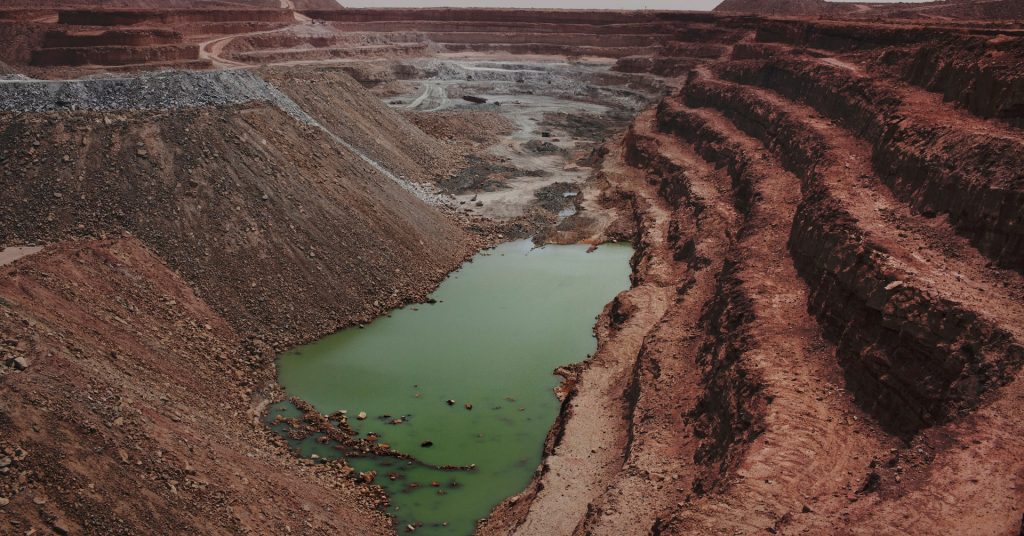
The financing, provided by the US Development Finance Corp, is earmarked for the Dasa project, operated by the Canadian firm Global Atomic. The company has characterized the site as possessing the highest-grade uranium deposits currently identified in Africa, marking a vital addition to the global nuclear supply chain.
Strategic Energy Interests
The investment arrives at a critical juncture for Niger, which currently serves as the world’s seventh-largest uranium producer. For years, the nation’s mining sector was dominated by the French state-backed entity Orano. However, the current dispute between the Nigerien government and Orano has opened a vacuum that Washington is now seeking to fill.
Sources familiar with the development indicate that US Ambassador Kathleen FitzGibbon played a central role in advocating for this deal. Her efforts were bolstered by a renewed emphasis from the Trump administration on deal-making across the African continent, particularly concerning access to strategic materials that could otherwise be diverted to rival global powers.
Navigating Diplomatic Hurdles
The road to approval was complex. Global Atomic CEO Stephen Roman traveled to Washington this past summer to conduct high-level talks, effectively resolving the final bureaucratic hurdles that had stalled the funding. Beyond resource security, the project is viewed as a potential diplomatic bridge between the United States and Canada, helping to alleviate recent strains caused by ongoing trade disputes between the two North American neighbors.
This engagement represents a departure from the security-focused relationship of previous years. In 2024, Washington finalized the withdrawal of roughly 1,000 troops after Niger’s military government—which assumed power in a 2023 coup—labeled the American presence as illegal, choosing instead to pivot toward Russia for defense cooperation.
Risks and Logistical Challenges
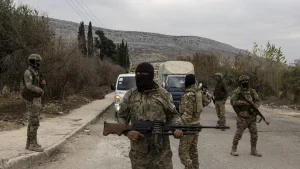
Despite the economic promise, the project faces formidable security and political risks. The nation remains unstable, highlighted by a recent attempted mutiny in the capital, Niamey, where rogue soldiers targeted the presidential palace and a key military airbase. While the Nigerien government accused France of orchestrating the unrest, those claims have been firmly denied.
To mitigate these dangers, Global Atomic is actively scouting alternative logistics, including a potential transport route heading north through Algeria and across the Sahara Desert. Algeria’s recent decision to assist the Nigerien government following the attempted coup suggests a strengthening of regional ties that could prove essential for the project’s long-term success.
Ultimately, this $414 million investment reflects a pragmatic, resource-first approach to international relations. Whether this financial commitment can stabilize US influence in a region increasingly wary of traditional Western intervention remains to be seen.