DRC Schools Face Uncertainty Amid Ebola Surge
As students across the Democratic Republic of the Congo prepare to return to their classrooms this Tuesday, a palpable sense of anxiety grips parents…
Featured image for news article
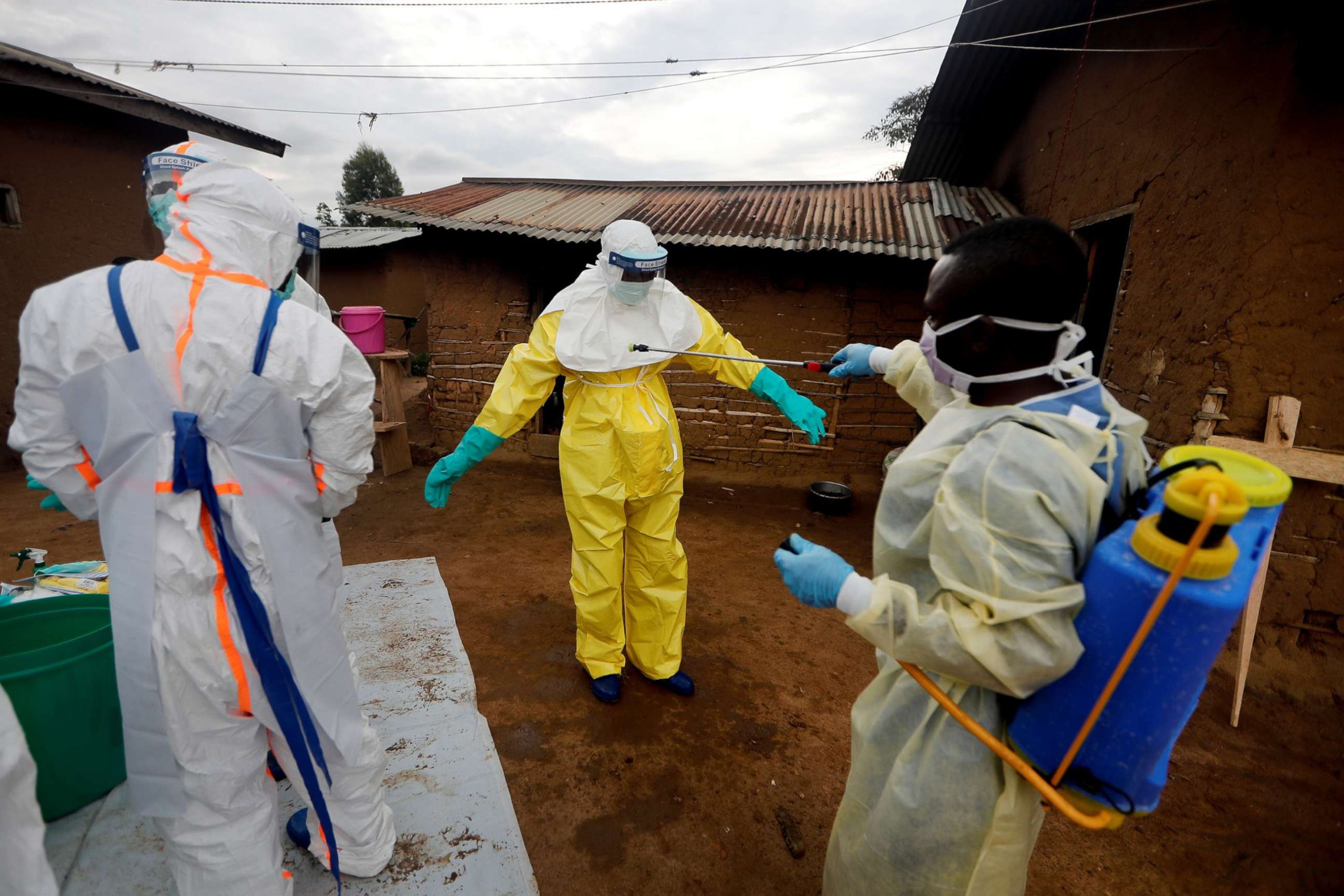
As students across the Democratic Republic of the Congo prepare to return to their classrooms this Tuesday, a palpable sense of anxiety grips parents and educators alike. The nation is currently grappling with its most severe Ebola outbreak on record, casting a long shadow over the start of the new academic year. With cases spreading across six provinces, the reopening of schools has become a flashpoint for public health concerns, particularly in the hardest-hit region of Ituri.
Government statistics released on August 31 reveal a grim reality: the country has recorded 6,041 confirmed cases and 2,911 deaths. These figures have eclipsed the totals from the previous major outbreak, which lasted from 2018 to 2020. In the epicenter of Ituri, the situation is particularly dire, with health authorities confirming 4,802 cases as of late August.
Parents Question Safety Protocols
In Bunia, the provincial capital of Ituri, families are openly questioning the wisdom of resuming in-person instruction while the virus continues to circulate. Many fear that crowded classrooms could act as incubators for the disease, potentially accelerating community transmission. The logistical challenge of maintaining hygiene standards among young children remains a primary source of distress for local parents.
“As a parent, I am concerned about the announcement that schools are reopening, especially as we are facing the Ebola outbreak in our region. We are asking the government what measures they will put in place to protect children from this disease,” said Dieudonne Lotsima, a father of three and resident of Bunia.
Lotsima, echoing the sentiments of many in his community, believes that delaying the academic calendar is a necessary precaution. He emphasized that children’s natural behavior makes them difficult to police regarding strict health protocols, such as frequent handwashing. He fears that a single infection within a school could lead to a rapid ripple effect, threatening the safety of entire households.
Vaccine Hurdles and Strategy
The complexity of this crisis is compounded by the nature of the virus itself. The current outbreak is driven by the Bundibugyo virus, a strain distinct from the Zaire ebolavirus that characterized previous regional crises. This distinction is significant because there is currently no approved treatment or vaccine specifically engineered to combat the Bundibugyo strain.
While the Ervebo vaccine is being administered to frontline health workers, its efficacy against this specific variant remains unproven. The World Health Organization is currently supporting clinical trials to determine if the existing vaccine can offer protection. Until definitive results are available, the government has opted for a tiered risk management strategy rather than a nationwide shutdown.
To mitigate risks, the Ministry of Education has implemented alternative learning methods for high-risk zones, which include:
- Transitioning to home-based learning for students in high-risk areas.
- Distributing printed workbooks and essential curriculum materials to families.
- Broadcasting educational content via community and local radio stations.
This hybrid approach seeks to balance the critical need for continued education with the overriding necessity of protecting public health during this unprecedented viral surge.