Colombia’s Traditional Midwives: A Lifeline in the Remote Jungle
In the dense, sprawling jungles of Colombia’s Chocó department, where hospitals can be days away by boat or foot, maternal healthcare is often…
Featured image for news article
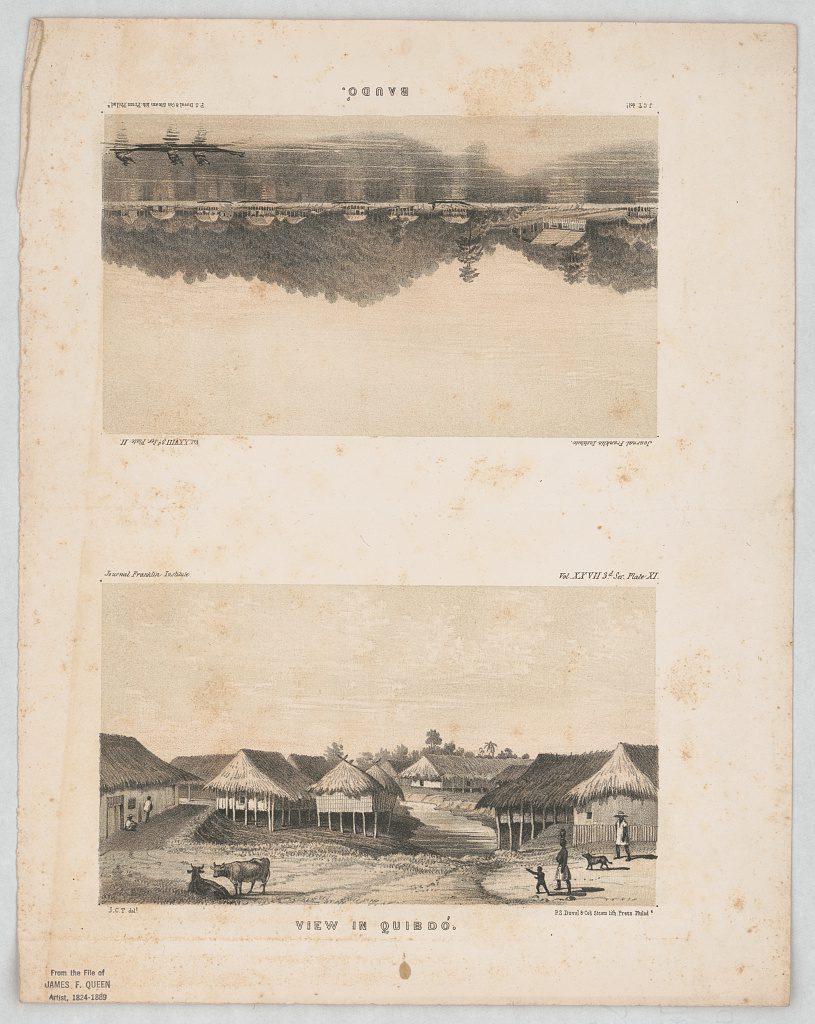
In the dense, sprawling jungles of Colombia’s Chocó department, where hospitals can be days away by boat or foot, maternal healthcare is often defined by the presence of parteras tradicionales—traditional midwives. For decades, these women have served as the primary medical safety net for Indigenous and Afro-descendant communities, stepping in where the state’s formal infrastructure frequently fails to reach.
Nohemí Manco, 53, represents the heart of this enduring tradition. Her journey began at age 14 when, forced by isolation and necessity, she delivered her first baby—her sister’s child—in the remote municipality of Unguía. Having observed her mother’s practice since childhood, Manco possessed an instinctive knowledge of herbal medicine, birth positions, and postpartum care. Over the last four decades, she has safely guided more than 1,200 infants into the world.
The reliance on midwives is not merely cultural; it is a critical response to geographic inequality. Public health experts emphasize that in rural Colombia, the lack of emergency transportation and clinical facilities creates a lethal gap in maternal care. Research from the Pontificia Universidad Javeriana highlights that rural areas suffer a disproportionate rate of maternal and infant mortality, positioning midwives as the most reliable resource available to these isolated populations.
Despite their life-saving roles, these women have long battled systemic discrimination. Many midwives report being mocked or barred from entering formal medical facilities when attempting to transfer patients who require advanced care. This institutional friction has historically threatened to erode the ancestral wisdom that keeps these communities alive, as younger generations were discouraged from entering the profession.
However, the tide is beginning to turn. As recognition of the healthcare gap grows, advocates are calling for better integration between traditional knowledge and modern clinical systems. By bridging the divide between village practices and hospital facilities, Colombia could significantly reduce preventable maternal deaths.
For Manco, the work remains a spiritual calling. Describing birth as a sunrise that breaks the darkness of the night, she views her role as essential to the survival of her community. As long as the jungle remains vast and the clinics remain distant, the parteras will remain the primary guardians of life in rural Colombia.
Summary of Key Points:
1. Traditional midwives are essential in Colombia’s remote, underserved regions.
2. Geographic isolation and lack of transport make midwives the first line of care.
3. Experts confirm that midwives are vital to reducing maternal mortality in rural areas.
4. Systemic discrimination by hospitals has historically hindered the work of these traditional healers.
5. Integration between traditional and modern medicine is essential for future health improvements.