Libya’s New UN-Backed Roadmap to Reunification
Libya has taken a tentative step toward ending over a decade of institutional paralysis. Under the mediation of the United Nations Support Mission in…
Featured image for news article
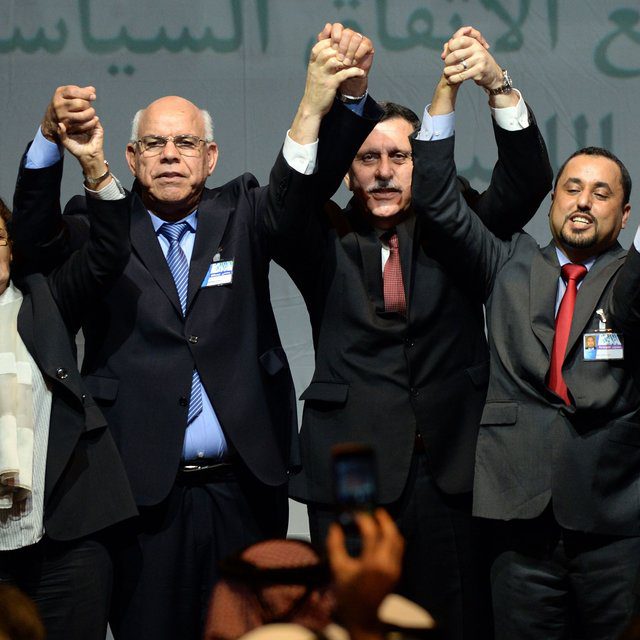
Libya has taken a tentative step toward ending over a decade of institutional paralysis. Under the mediation of the United Nations Support Mission in Libya (UNSMIL), rival factions have signed the “4+4 committee” agreement, a landmark roadmap designed to bridge the chasm between the nation’s divided political camps and initiate national elections within 24 months.
The deal seeks to resolve the legal and institutional gridlock that has crippled Libya since the 2011 uprising that toppled Muammar Gaddafi. While the signing ceremony in Tripoli signals a rare moment of consensus, observers remain cautious, noting that the country’s history is littered with failed peace attempts in an environment defined by shifting alliances and deep-seated mistrust.
A Legacy of Division
Following the 2011 revolution, Libya experienced a brief period of democratic promise. The country achieved its only peaceful transfer of power in August 2012, when the National Transitional Council handed authority to the newly elected General National Congress. However, this momentum quickly evaporated as internal fractures turned into armed conflict.
By 2014, the political landscape had splintered. Renegade military commander Khalifa Haftar seized control of Benghazi, and the subsequent election sparked a divide that saw newly elected MPs establish a parallel House of Representatives in Tobruk, operating under the protection of Haftar’s forces.
The Struggle for Governance
The conflict escalated into open warfare in April 2019 when Haftar launched an offensive to capture the capital, Tripoli. The fighting, which lasted for 14 months, pitted Haftar against the United Nations-recognised Government of National Accord (GNA). The hostilities ultimately halted in June 2020 near the central city of Sirte, leading to a ceasefire that froze the front lines but left the political divide untouched.
“The path from a signed document to a unified government remains fraught with challenges.”
Today, the nation remains split between two distinct authorities:
- The West: Tripoli serves as the seat for the internationally recognised GNA, headed by interim Prime Minister Abdul Hamid Dbeibah, alongside the High Council of State, led by Mohammed Takala, and the Presidential Council, chaired by Mohammad al-Manfi.
- The East: Power is concentrated in Tobruk and Benghazi under the House of Representatives, led by Speaker Aguila Saleh, with critical military influence exerted by the self-styled Libyan National Army.
The Road Ahead
The new 4+4 committee agreement attempts to harmonize these competing institutions. The primary goal is to draft a framework for presidential and legislative elections that can finally deliver a singular, legitimate government to the Libyan people. Achieving this will require overcoming the influence of entrenched armed factions that have benefited from the status quo.
As Libya moves toward the two-year deadline, the international community will be watching closely. Success depends on whether these rival camps can prioritize national unity over regional control, ultimately transforming a signed piece of paper into a functioning, unified state for a country weary of civil war.