UK Energy Prices Soar Amid Iran Conflict Instability
British households are bracing for a fresh economic blow as energy costs prepare to climb. Following a period of heightened geopolitical volatility,…
Featured image for news article
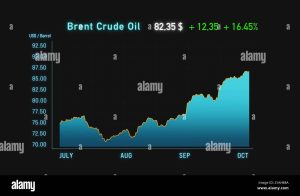
British households are bracing for a fresh economic blow as energy costs prepare to climb. Following a period of heightened geopolitical volatility, the energy regulator for England, Scotland, and Wales, Ofgem, has confirmed a 4 percent increase to the energy price cap, effective from October 1, 2026. This adjustment is a direct consequence of soaring wholesale gas prices linked to the intensifying war between the United States and Israel against Iran.
For many, the news is a grim reminder of the persistent cost-of-living crisis that has burdened the nation for years. Andrew, a 70-year-old retiree living in Norwich, had taken proactive steps to shield himself from market fluctuations by locking into an 18-month fixed-rate energy plan months ago. Reflecting on the decision, he noted that his foresight was driven by the lessons learned from previous energy market shocks.
“I guess I saw this coming. The situation doesn’t look any clearer… the fog of war is still there, and who knows when it will blow away,” said Andrew.
The retiree remains deeply concerned about the long-term outlook, particularly regarding what happens once his current contract expires. He expressed a growing sense of pessimism regarding the global landscape, noting that the cycle of instability seems endless. For those currently on standard variable tariffs, the impending cap increase will result in approximately 60 pounds ($80) of additional costs per year for an average household using a typical amount of energy.
Market Volatility and Structural Concerns
According to data provided by Ofgem, about 35 percent of households across the UK are currently on fixed-rate plans, providing a temporary buffer against the immediate price hike. However, the majority of the population will feel the impact this winter. In an attempt to mitigate the economic pain, the UK government has announced a tax cut on monthly electricity bills, scheduled to remain in effect until the end of the 2027 financial year.
While the tax relief offers a momentary reprieve, experts remain skeptical about whether these measures can address the underlying issues. The conflict involving Iran has introduced a permanent “risk premium” into energy markets, particularly concerning the transit of resources through the Strait of Hormuz.
Ahmed Tabaqchali, a non-resident senior fellow at the Atlantic Council, emphasized that temporary fiscal intervention does not solve the structural energy challenges. He explained that regardless of the eventual geopolitical resolution, the status quo has been fundamentally altered. The market is adjusting to a new, more volatile reality where security threats directly dictate the cost of heating and lighting homes across Britain.
As winter approaches, the intersection of foreign policy and domestic affordability remains a point of intense pressure for the government. With the “fog of war” showing no signs of lifting, both consumers and policymakers are forced to confront a future defined by energy insecurity and the ongoing financial strain of international conflict.