US Targets Banque Misr UAE Over Iran Sanctions Breach
The United States Treasury Department has taken aggressive action against the UAE-based operations of Banque Misr , Egypt’s second-largest financial…
Featured image for news article
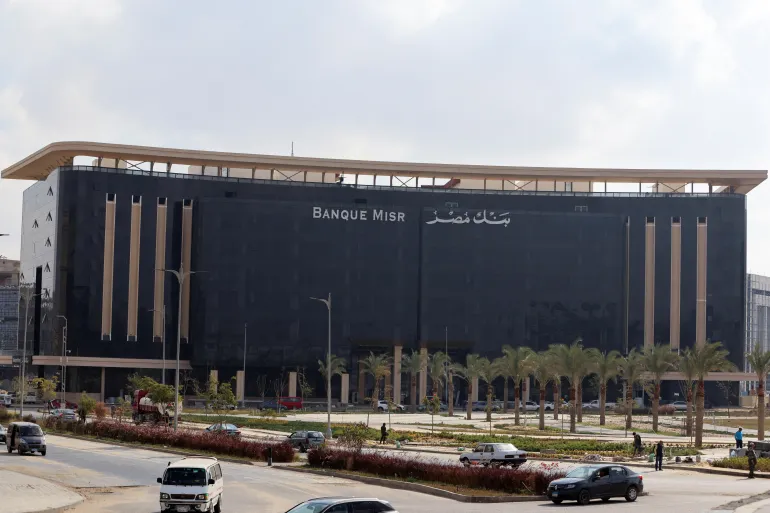
The United States Treasury Department has taken aggressive action against the UAE-based operations of Banque Misr, Egypt’s second-largest financial institution. By proposing to sever the bank’s access to the American financial system, Washington is intensifying its campaign to stifle the Iranian government’s ability to conduct international commerce, particularly through the use of US dollars.
This move is part of a broader initiative known as Operation Economic Outcast. The Treasury’s Financial Crimes Enforcement Network (FinCEN) initiated the action following allegations that the bank acted as a critical conduit for Iranian state-linked entities. The proposed rule would effectively prohibit the UAE branches of Banque Misr from maintaining correspondent banking relationships with any US-based financial institutions.
Escalating Financial Pressure
US Secretary of the Treasury Scott Bessent emphasized the gravity of the situation in a recent official statement. He characterized the move as a necessary step to dismantle the financial infrastructure that supports the Iranian regime.
“Treasury promised to sever every economic lifeline Tehran has left and finally end the threat of the Iranian regime,”
Bessent stated, noting that those who enable Iran’s activities will no longer enjoy the privileges of the global financial system.
The Treasury’s investigation alleges that Banque Misr UAE served as a primary gateway for Iran to circumvent sanctions. According to estimates provided by the Treasury, the branch facilitated approximately $1.8 billion in transactions between January 2024 and June 2026. These funds were reportedly processed on behalf of 103 companies believed to be integrated into Iranian shadow banking networks.
Shadow Banking Networks Exposed
Washington contends that these shadow networks are essential for Iran’s efforts to generate revenue through oil sales, acquire military technology, and execute cyber operations. The Treasury claims that the targeted bank provided these front companies—many linked to the Islamic Revolutionary Guard Corps and the Iranian Ministry of Defence—with vital access to dollar-denominated markets.
The announcement follows a wider wave of sanctions imposed last week, which targeted nearly 60 individuals and organizations accused of bolstering Iran’s economic resilience. Despite this mounting pressure, officials in Tehran have remained defiant. Economy Minister Ali Madanizadeh dismissed the latest US measures, asserting that the strategy of economic strangulation will ultimately prove ineffective against the Iranian state.
Bank Response and Future Implications
In response to the Treasury’s announcement on Friday, officials at Banque Misr issued a brief statement on Saturday. The bank confirmed it is currently conducting a thorough internal review of the notice provided by US authorities. At this stage, the sanctions appear specifically limited to the UAE operations of the bank, leaving its primary Egyptian domestic services outside the immediate scope of the new restrictions.
As diplomatic truce talks remain at a standstill, the focus remains on the efficacy of these financial sanctions. The US administration’s strategy hinges on the belief that by isolating Iran from the dollar, it can neutralize key security threats. The global financial community will be watching closely to see if other institutions face similar scrutiny in the coming months.