EU Imposes Visa Curbs on Somalia Amid Deportation Standoff
Featured image for news article
The European Union has officially implemented restrictive visa measures against Somali citizens, marking a significant escalation in diplomatic tensions regarding the repatriation of migrants living in Europe without legal status. The decision follows an assessment by the European Commission, which concluded that the Somali government’s cooperation regarding the readmission of its nationals remains insufficient.
Under the newly enacted rules, EU member states will cease the issuance of multiple-entry visas to Somali nationals. Furthermore, the bloc has revoked fee waivers previously granted to holders of diplomatic passports and extended the standard visa processing time from 15 to 45 days. These punitive measures currently have no fixed end date, serving as a primary lever to compel Mogadishu into tighter immigration cooperation.
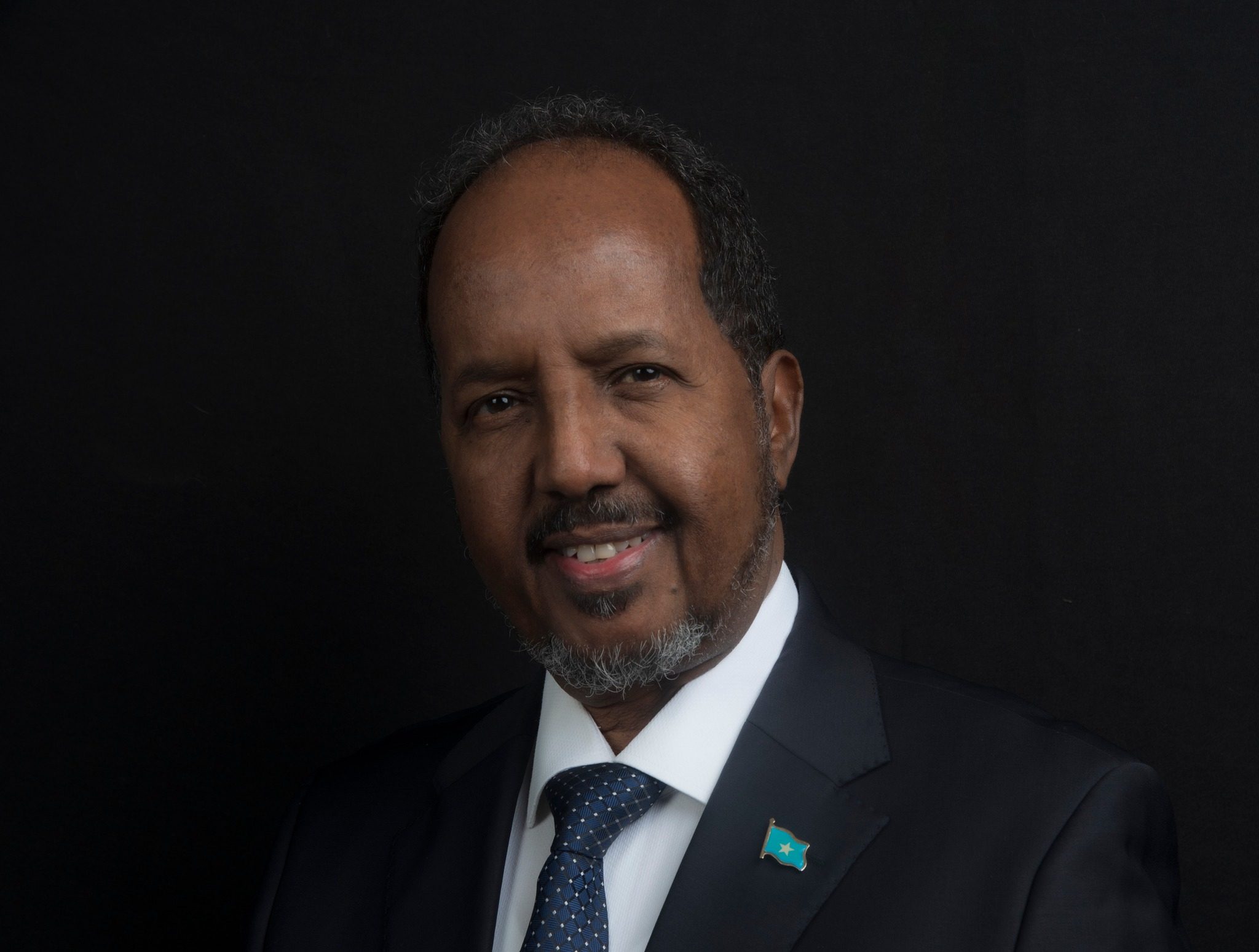
Somali President Hassan Sheikh Mohamud has firmly pushed back against the EU’s characterization of his government’s stance. During an Independence Day address, Mohamud emphasized that while his administration is committed to welcoming back genuine Somali citizens, the process must involve rigorous identity verification. He argued that many individuals currently slated for deportation lack verifiable ties to Somalia.
The president highlighted a persistent challenge regarding regional migration, noting that individuals from various parts of the Horn of Africa often present themselves as Somali to secure asylum in Europe. “If they are Somali, we will take them. If they aren’t, we will help you identify their origins,” Mohamud stated, citing past instances where deportees were unable to speak the Somali language.
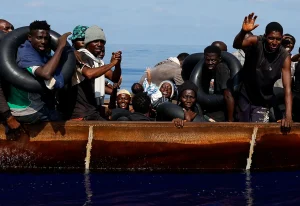
The migration crisis is deeply intertwined with Somalia’s long-standing instability. Since the collapse of the central government in 1991 and the subsequent rise of the al-Qaeda-linked al-Shabab insurgency, the nation has struggled to maintain security and economic stability. These volatile conditions have driven many young Somalis to undertake perilous journeys to Europe, often falling victim to human trafficking and violence in transit hubs like Libya.
European migration officials, led by Commissioner Magnus Brunner, maintain that nations of origin must uphold their international obligations or face consequences. However, the Somali government maintains that it has instructed its embassies to facilitate the return of verified citizens, framing the current dispute as a matter of due diligence rather than a refusal to engage.
1. The EU has introduced visa restrictions for Somali citizens due to disagreements over deportation cooperation.
2. President Mohamud argues that many potential returnees are not Somali, calling for stricter identity verification.
3. The measures include longer processing times and the removal of diplomatic fee waivers.
4. Migration patterns are fueled by decades of conflict and the ongoing al-Shabab insurgency in Somalia.