Iran Issues Sharp Warning to Gulf States Over US Military Ties
Featured image for news article
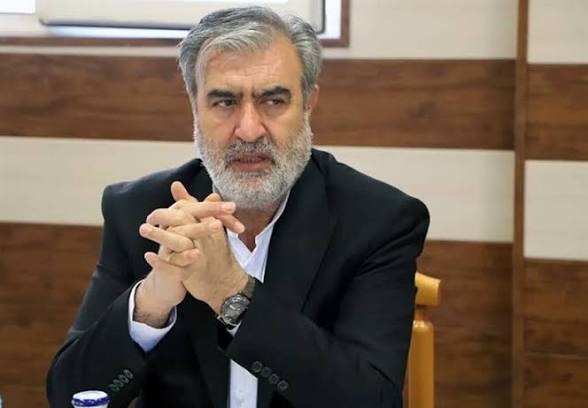
Ebrahim Azizi, the head of the Iranian Parliament’s National Security and Foreign Policy Commission, has issued a stern warning to the member states of the Gulf Cooperation Council (GCC). In a high-stakes diplomatic signal, Azizi cautioned that aligning regional security strategies with the United States could undermine the stability of the entire Persian Gulf region.
The Iranian official argued that the presence of U.S. military bases within GCC nations has become a liability rather than an asset. According to Azizi, these installations—intended to provide protection—have instead evolved into a primary source of regional tension and a potential target for conflict, effectively compromising the sovereignty and security of their host countries.
Central to Tehran’s rhetoric is the definition of its strategic “red lines.” Azizi explicitly identified Iran’s expanding missile program and drone capabilities as non-negotiable elements of its national defense policy. Furthermore, he emphasized that Iran maintains firm control over its interests regarding the Strait of Hormuz, a critical global maritime chokepoint.
The statement comes amidst long-standing tensions between Iran and Western-aligned Gulf states. Tehran has consistently maintained that regional security is an internal matter that should be managed exclusively by local powers, viewing the influence of external actors, particularly the U.S., as inherently destabilizing.
Azizi suggested that the only viable path to achieving long-term regional stability is for Gulf nations to distance themselves from Washington’s military orbit. He urged GCC leaders to reconsider their reliance on American defense umbrellas, suggesting that such partnerships only serve to invite external interference in Middle Eastern affairs.
As of now, the GCC has not issued a formal collective response to Azizi’s comments. However, the remarks highlight the persistent geopolitical friction in the region, where Iran continues to project strength while challenging the status quo of U.S.-Gulf security cooperation.
1. Ebrahim Azizi warns GCC states that U.S. military ties jeopardize regional stability.
2. Iran characterizes U.S. bases in the Gulf as a source of threat rather than security.
3. Tehran reaffirms that its missile and drone programs, alongside the Strait of Hormuz, are vital red lines.
4. Iran advocates for a security framework independent of American influence.