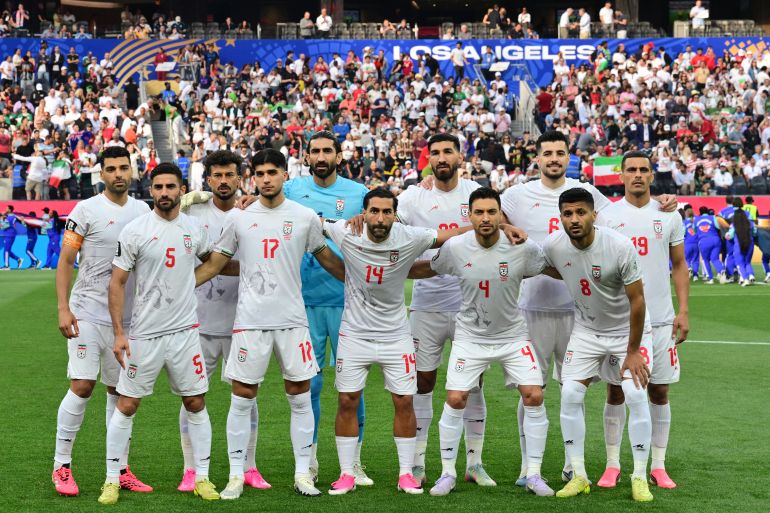
The Iranian national football team, affectionately known as "Team Melli," has navigated an unprecedented path to the World Cup, one defined less by tactical formations and more by the volatile geopolitical climate between Tehran and Washington. As a peace agreement was signed this week following a temporary ceasefire, the sports world is left questioning how this fragile diplomatic thaw will impact the squad’s remaining tournament experience.
The conflict, which escalated on February 28, transformed the World Cup into a stage for political tension. While history has seen host nations grapple with internal strife, the US-Iran situation remains a unique anomaly: a direct, active conflict between a host nation and a participating team. The tournament’s "apolitical" veneer shattered in March when President Donald Trump questioned the appropriateness of the Iranian squad’s presence on American soil, citing safety concerns.
This rhetoric created a precarious reality for the players. Visa approvals—essential for their group stage matches in Los Angeles—were delayed until just 10 days before their opening fixture against New Zealand. The uncertainty was so profound that FIFA President Gianni Infantino appeared unable to provide the team with ironclad guarantees regarding their safety or continued access to the country.
Fearing for the stability of their preparations, manager Amir Ghalenoei made the strategic decision to relocate the team’s base camp from Arizona to Tijuana, Mexico. This move served as a necessary insurance policy against the shifting immigration whims of the US government, which ultimately mandated that the squad depart the country within hours of each match’s conclusion.
Iranian-American political analyst Negar Mortazavi described the hurdles faced by the players as "extra animosity," noting that the squad was effectively held hostage to diplomatic tensions. The logistical strain of commuting from a Mexican base camp to American stadiums, combined with the psychological toll of being unwelcome, cast a long shadow over their athletic performance.
As the newly signed memorandum of understanding begins to take effect, the question remains whether the remaining matches will see a cooling of these restrictions. While the peace deal offers a glimmer of hope for stability, Team Melli’s ordeal highlights the growing friction between global sporting ideals and the hardening realities of international conflict.
Comments (0)
Login to join the discussion
No comments yet. Be the first to comment!