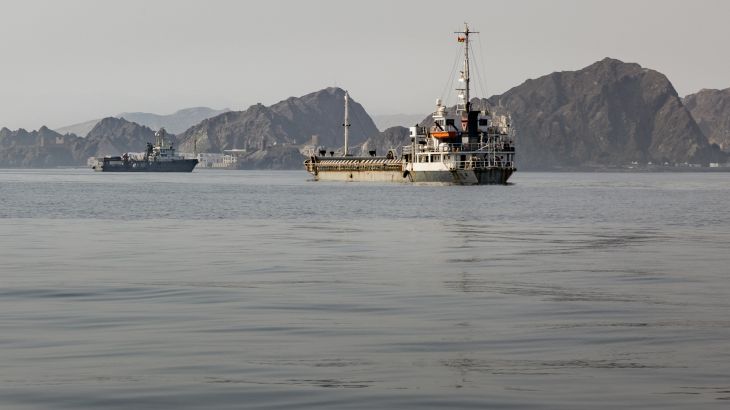
In a significant shift in tone, Iranian officials have indicated a renewed willingness to engage in diplomatic channels with the United States. Following a series of high-level meetings across Switzerland, Iran, and Egypt, Tehran has signaled that it is prepared to move forward on stalled negotiations, provided that specific conditions regarding regional stability are met.
Majid Takht-Ravanchi, Iran’s deputy foreign minister, confirmed the country's openness to dialogue during recent international summits. However, the official emphasized that any meaningful diplomatic progress is contingent upon a comprehensive ceasefire. Tehran maintains that the ongoing conflicts across various regional fronts must reach a definitive conclusion for bilateral talks to hold any weight.
The diplomatic push, which has spanned multiple capitals, aims to de-escalate the volatile situation in the Middle East. Observers note that the inclusion of Egypt as a mediator alongside Swiss diplomatic efforts suggests a broader regional attempt to prevent further military escalation between Iran and its adversaries.
For months, the geopolitical landscape has been dominated by the fear of an all-out regional war. The prospect of renewed talks between Washington and Tehran marks a departure from the recent trend of aggressive rhetoric and military posturing. Diplomats believe that even a preliminary dialogue could serve as a vital circuit-breaker to prevent further miscalculations.
Despite the optimism surrounding these developments, experts caution that the path toward a resolution remains fraught with obstacles. Significant trust deficits persist between the parties, and the definition of a "comprehensive ceasefire" remains a point of intense negotiation. The U.S. has yet to officially respond to the specific demands laid out by the Iranian delegation.
As the international community watches these developments closely, the focus remains on the upcoming diplomatic rounds. Whether these discussions in Switzerland and Egypt will yield a sustainable framework for peace or remain preliminary in nature is the primary question currently facing regional stakeholders.
Ultimately, the willingness of Iran to pivot back to the negotiating table suggests that the costs of continued regional hostility are weighing heavily on all participants. The international community is hopeful that this renewed commitment to diplomacy will provide a viable exit strategy from the current cycle of instability.

Comments (0)
Login to join the discussion
No comments yet. Be the first to comment!