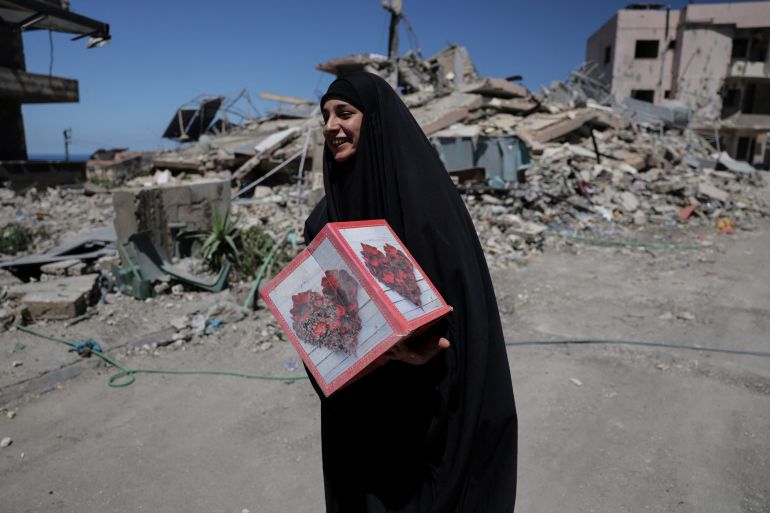
As the conflict enters its 113th day, Tehran has intensified its diplomatic pressure on the United States, demanding that Washington take a more decisive role in enforcing the fragile ceasefire in Lebanon. Iranian leadership insists that the current cessation of hostilities remains at risk unless the United States holds Israel strictly accountable to the terms of the regional agreement.
Iranian Foreign Minister Abbas Araghchi underscored this position during recent diplomatic briefings, asserting that the US holds a profound “commitment and responsibility” to ensure that the deal is upheld across all fronts. According to Tehran, a lasting peace cannot be achieved if military operations continue in isolation, arguing that the agreement was intended to facilitate a comprehensive end to cross-border hostilities.
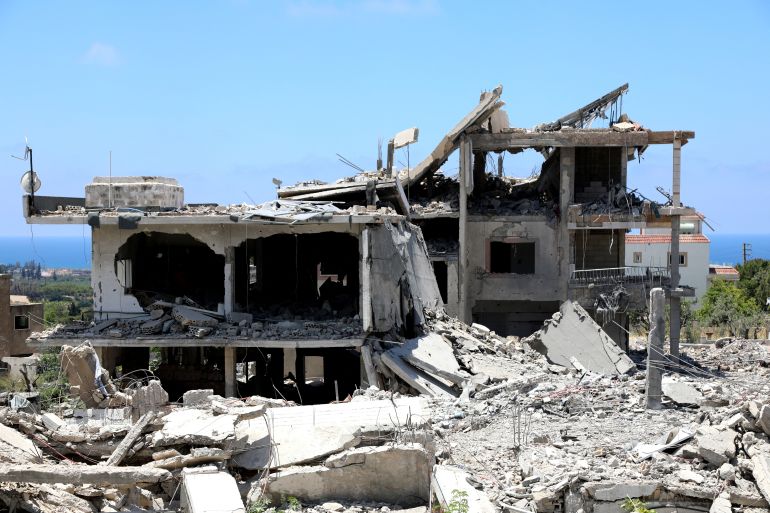
The diplomatic push follows reports from a US official to Reuters confirming that both Israel and Hezbollah have formally agreed to a ceasefire. However, the situation on the ground remains volatile. Despite the official announcement, persistent reports of Israeli strikes continue to emerge, casting doubt on the long-term viability of the peace efforts and frustrating efforts to stabilize the region.
Tehran has signaled a willingness to move forward with constructive diplomacy, provided that Washington demonstrates the political will to restrain its ally. Iranian officials have consistently maintained that the regional deal is contingent upon an integrated approach, suggesting that a piecemeal ceasefire will likely fail to address the underlying tensions driving the conflict.
The Biden administration faces an increasingly difficult balancing act as it attempts to mediate the crisis. While the White House has publicly championed the ceasefire as a breakthrough, the recurring reports of violence have put the US diplomatic strategy under a microscope. Critics argue that without stronger enforcement mechanisms, the agreement risks collapsing under the weight of localized skirmishes.
As the international community watches closely, the stakes for regional stability have never been higher. The coming days will be critical in determining whether the US can bridge the gap between Iranian demands and Israeli operational objectives. For now, the ceasefire remains, by all accounts, highly fragile, leaving a tense Middle East waiting to see if diplomacy can truly override military momentum.

Comments (0)
Login to join the discussion
No comments yet. Be the first to comment!