Sudan’s Elusive Truce: Why Peace Deals Keep Collapsing
As the international community intensifies pressure for a 90-day humanitarian pause, Sudan remains locked in a devastating cycle of violence. Despite…
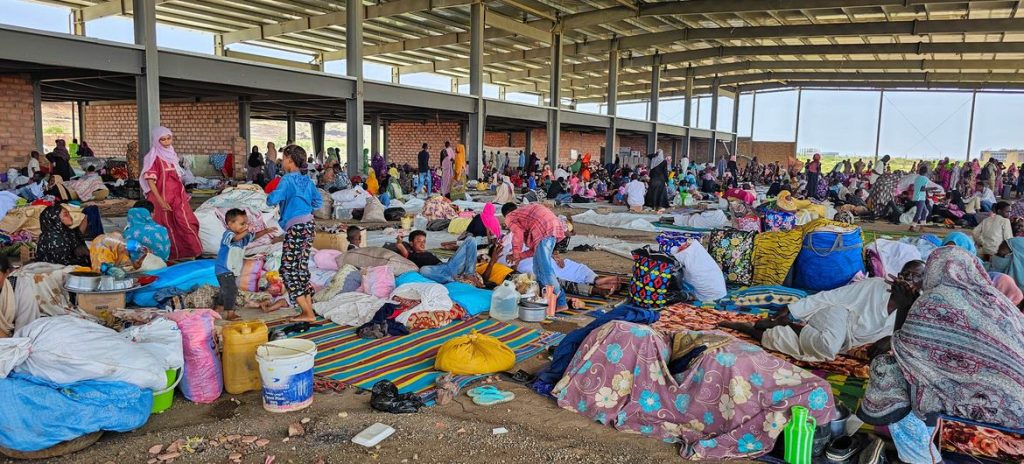
Featured image for news article
As the international community intensifies pressure for a 90-day humanitarian pause, Sudan remains locked in a devastating cycle of violence. Despite repeated calls from global powers for a cessation of hostilities, the Sudanese Armed Forces (SAF) and the Rapid Support Forces (RSF) continue to prioritize battlefield dominance over diplomatic mediation. This persistent rejection of peace has pushed the nation to the absolute edge of total collapse.
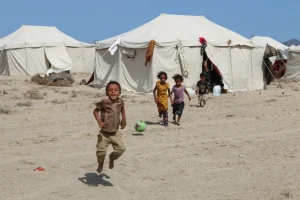
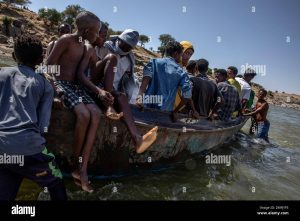
Since the conflict erupted in April 2023, the fighting has expanded across 13 of Sudan’s 18 states. The human cost of this power struggle is catastrophic, with an estimated 14 million people forcibly displaced and tens of thousands killed. The United Nations has issued dire warnings, noting that the country’s entire humanitarian infrastructure is nearing a complete breakdown as starvation looms over vulnerable populations.
A Pattern of Failed Agreements
Diplomatic initiatives have historically struggled to gain traction. The Jeddah Declaration, brokered by the United States and Saudi Arabia in May 2023, offered a glimmer of hope by facilitating limited aid access. However, that agreement withered rapidly as both warring parties repeatedly violated its core terms. Subsequent efforts by the Intergovernmental Authority on Development (IGAD) and the African Union (AU) suffered similar fates, with local ceasefires often dissolving within hours of their inception.
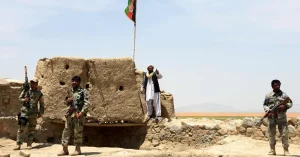
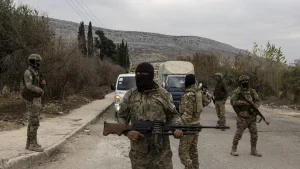
The current landscape is marked by a refusal of both factions to halt their momentum. Military gains in regions such as South Kordofan and Blue Nile continue to drive the strategic calculus of both the SAF and the RSF. As these groups seek to solidify territorial control, the urgent needs of the civilian population are continuously sidelined.
International Diplomatic Pressure
The United States has recently ramped up its diplomatic intervention, leading the Aligned for Advancing Lifesaving and Peace in Sudan (ALPS) initiative in Geneva. This coalition includes Switzerland, Saudi Arabia, Egypt, the UAE, the UN, and the AU. The primary goal remains the establishment of direct negotiations to secure localized humanitarian pauses that can allow life-saving aid to reach those trapped in conflict zones.
Last week, US Senior Advisor for Arab and African Affairs Massad Boulos reinforced the necessity of a diplomatic path. While committing $375 million in new humanitarian funding, he issued a stern warning to the warring sides:
“There is no military solution to this conflict.”
The Path Forward
Despite the influx of aid funding, the core problem remains the security environment. Without a durable ceasefire, relief organizations face immense danger while attempting to distribute supplies. The US call for a 90-day truce is seen as a vital test for both the SAF and the RSF. If implemented, it would provide a much-needed window for emergency assistance to mitigate the growing threat of famine.
For now, the ground reality remains grim. Both factions appear convinced that they can secure a decisive victory, a belief that continues to sabotage every mediation attempt. As the international community watches, the survival of millions of Sudanese citizens depends on whether the combatants can finally choose negotiation over continued aggression.