Silicon Rivalry: Can Washington Contain China’s AI Rise?
The global race for artificial intelligence supremacy has officially entered a high-stakes phase, often described as an AI cold war . As Washington…
Featured image for news article
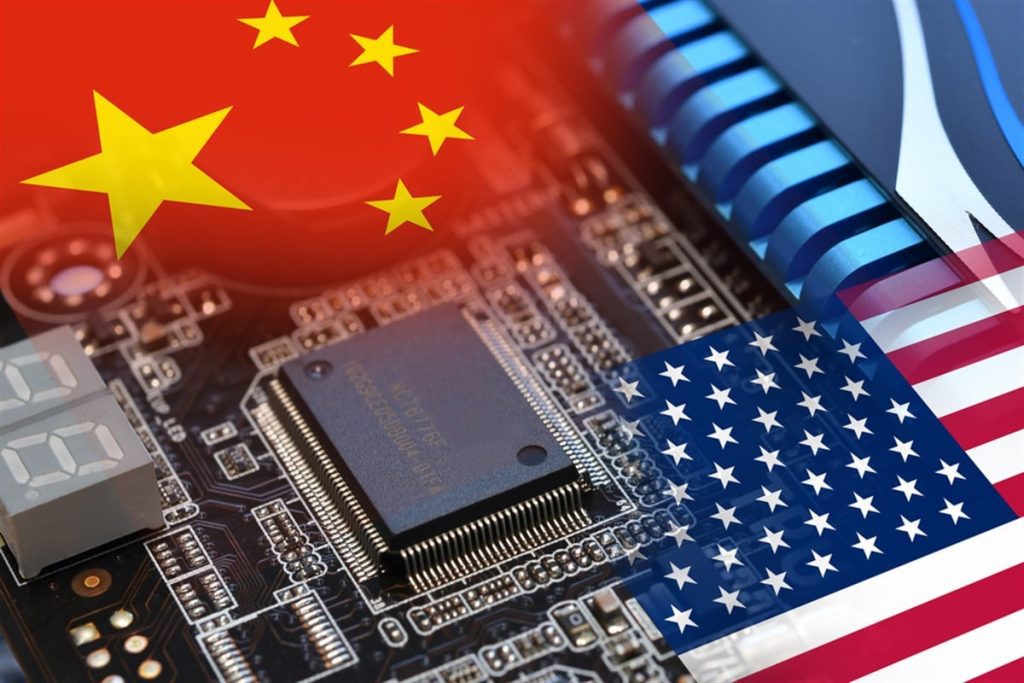
The global race for artificial intelligence supremacy has officially entered a high-stakes phase, often described as an AI cold war. As Washington and Beijing aggressively maneuver to set the foundational rules for the digital era, the United States is increasingly using economic levers to stifle Chinese progress. However, analysts at the Horizon Insights Centre warn that these restrictive strategies could inadvertently trigger a damaging backlash.
The core of this geopolitical tension lies in the rapid proliferation of affordable Chinese AI technology, which has sparked significant anxiety among prominent American firms. Leaders within the US tech sector have actively lobbied the government to neutralize this perceived threat. In response, Washington has tightened its grip, implementing stringent export controls on essential high-end semiconductors and chipmaking equipment.
Building Technological Blocs
Washington’s strategy extends beyond unilateral action. The launch of the Pax Silica initiative represents a concerted effort to forge a supply chain ecosystem that explicitly excludes China. With 23 nations and the European Union already aligned with this initiative, the world is witnessing the formation of distinct technological camps, each vying for hegemony in the development and deployment of frontier AI models.
The primary weapon in this conflict remains the restriction of hardware. China’s most advanced AI models still rely heavily on imported components, including specialized chips and sophisticated design software. By severing access to these tools, Washington aims to drive up development costs, deter global investors, and effectively cripple China’s ability to keep pace with the latest technological breakthroughs.
Innovation Amidst Restrictions
However, containment is not a guaranteed victory. History suggests that sanctions often force the targeted nation to innovate. China is currently doubling down on domestic alternatives, focusing on optimizing its model architecture and maximizing the efficiency of its existing chip inventory.
“AI development is by no means a single contest over chips,”
note experts, pointing to the critical importance of human capital, market size, and regulatory agility.
While Washington closes loopholes—such as the recent curb on subsidiaries purchasing advanced chips—new bypasses are expected to emerge. Beijing is actively seeking ways to circumvent these barriers, proving that the road to total technological isolation is fraught with practical challenges.
The Coalition Factor
Ultimately, the success of the US containment strategy hinges on the endurance of its international coalition. The semiconductor supply chain is inherently global, bridging American design, Dutch and Japanese machinery, and Taiwanese manufacturing prowess. This complex web of interdependency creates a fragile landscape for export controls.
If the US exerts too much pressure, it risks alienating the very partners required to sustain the Pax Silica initiative. While the US currently holds the upper hand in innovation, the battle for AI dominance is far from settled. Whether Washington can successfully suppress China’s advancement or simply accelerate its drive toward self-sufficiency remains the defining question of the decade.