Morocco’s 2026 Election: A Voter Trust Crisis
As the campaign trail officially opened on September 10, Morocco finds itself at a critical political juncture. With 27 political parties vying for…
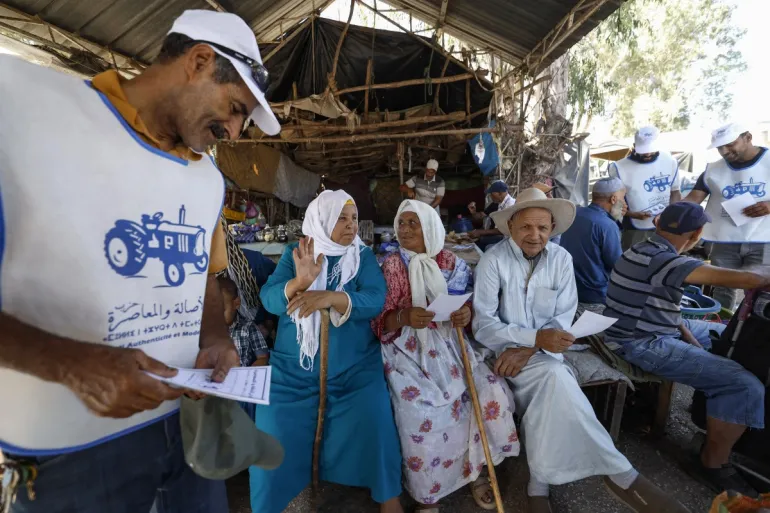
Featured image for news article
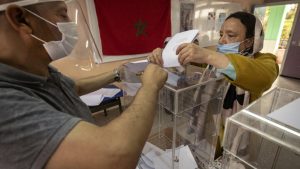
As the campaign trail officially opened on September 10, Morocco finds itself at a critical political juncture. With 27 political parties vying for 395 parliamentary seats, the upcoming September 23 election is more than a contest of manifestos; it is a profound test of national confidence in the democratic process.
Over 15.8 million citizens are currently registered to cast their ballots. These results will dictate the composition of the House of Representatives and initiate the complex negotiations required to form the next government. However, the atmosphere surrounding this cycle is heavy with questions regarding whether traditional electoral politics can effectively address the daily struggles of the Moroccan public.
The Youth Engagement Paradox
The skepticism is most acute among Morocco’s younger generation. Recent data from an Afrobarometer survey indicates that only about one-third of Moroccans aged 18 to 35 express confidence in Parliament, political parties, or the head of government. This lack of faith, however, does not necessarily translate to political apathy.
Interestingly, younger citizens are statistically more active on social media and far more likely to engage in street-level demonstrations than their older counterparts. This creates a unique dynamic: many young people remain politically active but are increasingly disillusioned with the efficacy of the ballot box in securing meaningful policy shifts.
Navigating the Constitutional Framework
Moroccan electoral politics remain anchored in the 2011 constitutional framework. The nation is defined as a social, parliamentary, and democratic monarchy, which carefully balances institutional powers while maintaining the central role of the king. Article 47 mandates that the head of government must be appointed from the party that secures the most seats.
“Winning the largest number of seats, therefore, matters for forming the government, but the parliamentary result does not by itself determine the full distribution of political power.”
While the legislative and oversight functions rest with Parliament, the executive branch and the Council of Ministers operate under the monarch’s supervision. This structure ensures stability but also complicates the public’s perception of how political power is ultimately exercised.
Demographics and Economic Hurdles
The demographic divide adds another layer of complexity to these elections. Official records show that voters aged 60 and above account for 29 percent of the registry, while those aged 18 to 24 make up only 4 percent. This disparity suggests that the registered electorate is heavily skewed toward older voters, potentially marginalizing the voices of the youth.
Economic challenges loom large over the campaign, particularly the persistent issue of unemployment. According to IMF estimates for 2025, the national unemployment rate sits at 13 percent. The situation is even more precarious for the youth:
- Youth unemployment (ages 15-24) has reached 37.3 percent.
- Approximately 25.2 percent of young people are not in employment, education, or training.
These figures highlight the urgent need for structural change. As the September 23 vote nears, voters are weighing whether their representatives possess the capability—or the will—to address these systemic economic pressures.