Yemeni Forces Push Back as Houthis Target Saudi Arabia
Yemeni government forces, backed by a Saudi-led coalition, have launched a significant counter-offensive in western Taiz. This tactical shift follows…
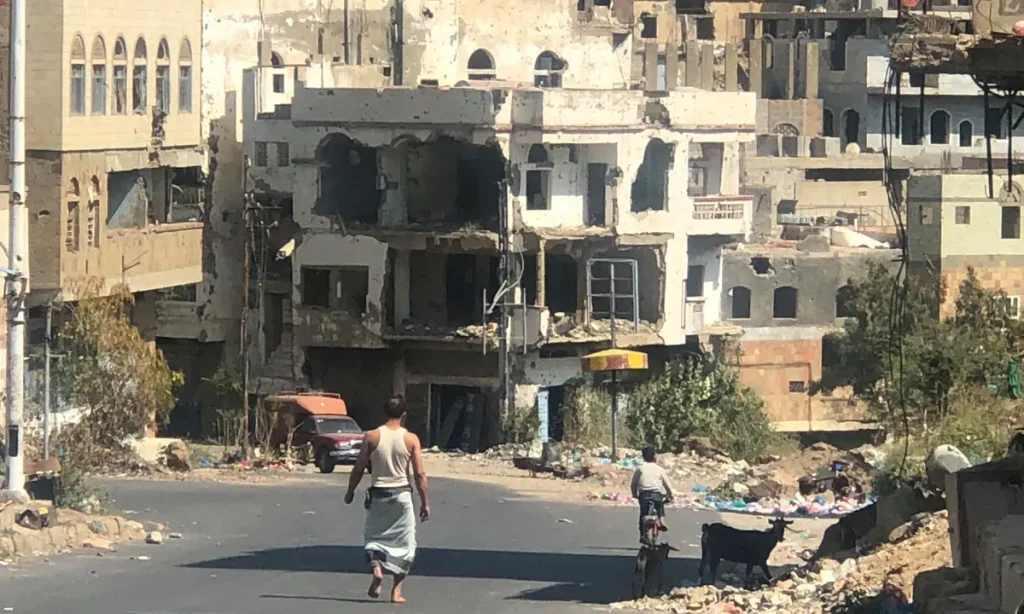
Featured image for news article
Yemeni government forces, backed by a Saudi-led coalition, have launched a significant counter-offensive in western Taiz. This tactical shift follows a successful defense against a major Houthi assault that threatened to destabilize the region further. As clashes intensify across the southwestern province, the internationally recognized government has reclaimed several key positions previously held by the Houthi movement, also known as Ansar Allah.
The recent military gains in Taiz were bolstered by precision air strikes targeting Houthi concentrations. According to military sources, these aerial operations have provided vital cover for ground troops as they maneuver through the difficult terrain of the west coast, specifically around Mocha and Dhubab. The government’s renewed momentum signals a strategic attempt to secure supply lines and weaken the Houthi grip on vital coastal areas.
Escalating Cross-Border Tensions
While fighting persists on the ground, the conflict has widened its scope. On Monday, the Houthis claimed to have executed a massive aerial campaign against Saudi Arabia. The group stated that they deployed dozens of ballistic missiles and drones to strike various military installations within the Kingdom, including the King Khalid airbase in Khamis Mushait.
The Houthi statement detailed a wide array of targets, claiming damage to:
- Aircraft hangars and maintenance facilities
- Radar installations and tracking systems
- Active runways and logistical depots
The group framed these attacks as a direct response to a surge in Saudi-led air strikes, which reportedly saw over 300 sorties conducted across Yemen within a five-day window. While Saudi civil defense agencies issued alerts for the Abha and Khamis Mushait regions on Sunday, the warnings were retracted shortly after, and there has been no official confirmation from Riyadh regarding the extent of the damage.
A Fragile Regional Landscape
The resurgence of large-scale hostilities marks a dangerous turning point in the decade-long civil war. The violence has effectively undermined the United Nations-brokered truce that had provided a fragile sense of stability since 2022. The escalation began in July following a Houthi-declared maritime blockade targeting Saudi commercial interests in the Red Sea.
Strategic control of the Red Sea coast remains a primary objective for all factions. By fortifying their presence near the Bab al-Mandeb strait, the Houthis are exerting pressure on a critical global maritime chokepoint. This waterway facilitates roughly 12 percent of international trade and is a major conduit for global energy supplies, carrying approximately 11 percent of maritime oil and 8 percent of liquefied natural gas (LNG).
“The fighting continues to spill over national boundaries, threatening the economic stability of the entire region,” noted a field observer monitoring the recent developments.
With the Strait of Hormuz currently experiencing its own transit challenges, the importance of the Bab al-Mandeb has reached a critical peak. As both sides dig in, the international community watches with growing concern, fearing that the breakdown of regional diplomacy will lead to prolonged instability and a worsening humanitarian crisis.