Syria Fuel Price Hikes Spark Widespread Public Unrest
Civil unrest has erupted across several Syrian cities following a government decision to implement sharp increases in the cost of fuel. The sudden…
Featured image for news article
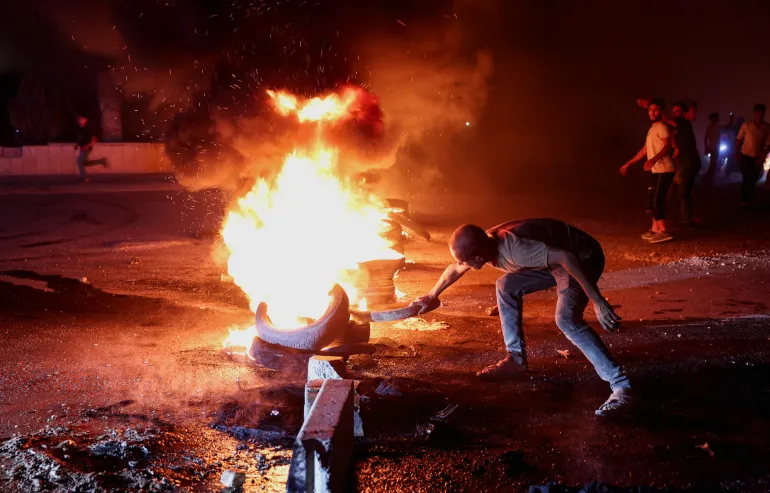
Civil unrest has erupted across several Syrian cities following a government decision to implement sharp increases in the cost of fuel. The sudden hike, which took effect this past Sunday, has triggered a wave of public anger, with demonstrators taking to the streets to voice their grievances through protests, the burning of tyres, and the obstruction of critical transit routes.
The government announced a significant upward adjustment in energy costs, raising diesel prices by up to 40 percent and petrol prices by 28 percent. Officials characterized these measures as a temporary intervention necessitated by the escalating global cost of securing fuel supplies. Furthermore, the state justified the move by citing a major maintenance overhaul currently underway at the vital Baniyas refinery.
Justifying the Energy Policy
According to the Ministry of Energy, the maintenance work at the Baniyas facility is expected to boost production capacity from its current level of 80,000 barrels per day to 130,000 barrels per day. The government maintains that this infrastructure investment is essential for the nation’s long-term stability, despite the immediate economic strain it imposes on the civilian population.
“We will continue to review prices as global market conditions change and work over the long term to expand refining and storage capacity,” the Ministry of Energy stated via the Syrian Arab News Agency (SANA).
The domestic energy sector remains under significant pressure. Syrian Energy Minister Mohammed al-Bashir noted that the country is currently producing approximately 102,000 barrels of oil per day. This output falls drastically short of the 325,000 barrels required for daily domestic consumption, forcing the state to rely heavily on imports to bridge the deficit.
Protests Disrupt Key Cities
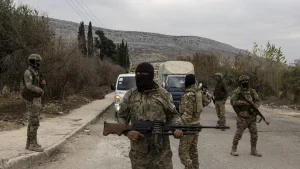
The public reaction to the price hikes has been immediate and widespread. Reports indicate that demonstrations have broken out in Hama, Khan Sheikhoun, and Maarat al-Numan. In these areas, protesters gathered to express their frustration, utilizing burning tyres to block main highways and effectively stalling traffic for several hours.
Beyond the physical protests, the price hikes have dominated public discourse. The economic impact is particularly sensitive as the country attempts to rebuild its infrastructure following 14 years of ongoing conflict. Access to affordable fuel is viewed as a critical component for economic recovery and the stabilization of daily life for citizens already struggling with the aftermath of war.
The government’s challenge is to balance the fiscal necessity of importing expensive fuel with the rising frustration of a population grappling with inflation. As the state monitors global price fluctuations, the administration faces mounting pressure to provide relief to those most affected by the surge in energy costs.
As the situation develops, the government has signaled that its long-term strategy remains fixed on increasing domestic refining capabilities. However, for many Syrians, the immediate reality is a significant reduction in purchasing power and limited access to essential resources, leading to continued tension in urban centers across the nation.