US Energy Secretary Casts Doubt on Iran Nuclear Deal
The prospect of a diplomatic resolution to the nuclear standoff with Iran appears to be fading, according to comments made by US Energy Secretary…
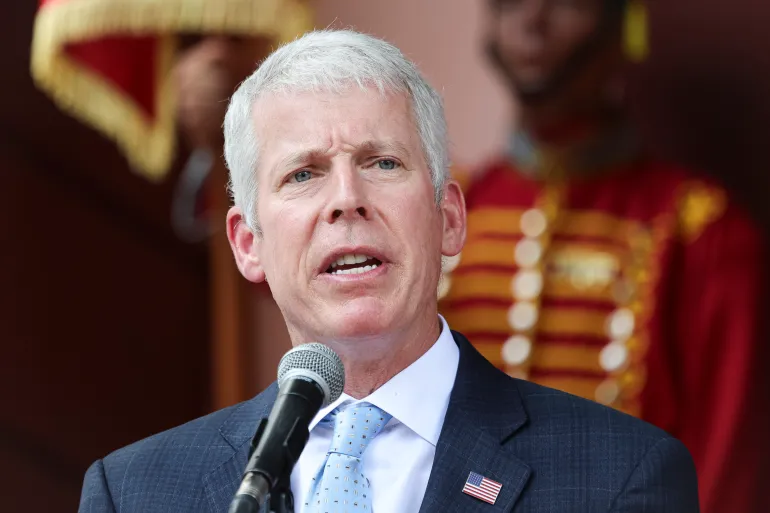
Featured image for news article
The prospect of a diplomatic resolution to the nuclear standoff with Iran appears to be fading, according to comments made by US Energy Secretary Chris Wright. In a recent interview, the official signaled that the administration may be shifting its focus away from a signed agreement, prioritizing direct military intervention to neutralize Iranian nuclear capabilities instead.
Speaking on ABC’s This Week, Wright suggested that a traditional diplomatic breakthrough is increasingly unlikely under the current political climate. Rather than pursuing a treaty, the US could look toward a strategy of systematic destruction.
“It may be simply destroying their capabilities to do it,”
Wright stated when asked about preventing Iran from obtaining a nuclear weapon.
Strategic Pivot Toward Degradation
The Energy Secretary’s remarks underscore a hardening stance within the administration. Wright defended ongoing US military operations, asserting that current actions are successfully weakening Iran’s offensive potential.
“They don’t have the capability to build more missiles,”
he claimed.
“We’re degrading their capacity to develop nuclear weapons and, ultimately, to deliver them if they develop them.”
Iran has consistently maintained that its nuclear program is strictly intended for energy production rather than military application. However, the US continues to target facilities it claims are tied to illicit nuclear development. This military approach has intensified alongside broader regional volatility, including Iranian closures of the Strait of Hormuz and subsequent US naval blockades.
Lingering Hopes and Regional Unrest
While the prospect of a deal appears slim at present, Wright did not rule out future diplomacy entirely. He suggested that an agreement could potentially materialize if there were a change in leadership within the Iranian government.
“An agreement may await the next administration in Iran,”
he noted, adding,
“We simply don’t know that.”
The breakdown of the memorandum of understanding in July marked a turning point in the conflict, leading to a cycle of renewed hostilities. Despite the intensity of the exchanges, the White House has moved to characterize the situation as manageable. President Donald Trump recently described the ongoing war as “small potatoes,” attempting to downplay the severity of the crisis in public discourse.
This dismissive framing was echoed by Vice President JD Vance during a recent White House briefing. When questioned about an alleged strike on a wedding in southern Iran, Vance appeared to minimize the incident, stating that
“sometimes things happen.”
His comments reflect a broader administration effort to frame the current military engagements as minor skirmishes rather than a full-scale regional war.
As the standoff persists, the strategy of “degradation” remains the primary path for the US. The transition from active negotiation to kinetic strikes represents a significant shift in foreign policy. With no clear timeline for a resolution, the situation remains highly fluid. The US administration appears willing to accept a state of perpetual conflict if it ensures that Iran’s nuclear ambitions are permanently suppressed through military force rather than signed treaties.