Iran Grapples With Economic Crisis Amid Ongoing Conflict
Iranian leadership is publicly confronting the severe economic repercussions of a six-month-long conflict with the United States. President Masoft…
Featured image for news article
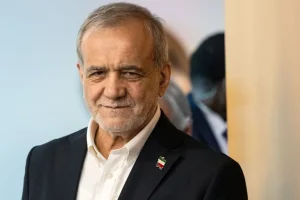
Iranian leadership is publicly confronting the severe economic repercussions of a six-month-long conflict with the United States. President Masoft Pezeshkian confirmed on Saturday that the combined weight of stringent international sanctions and a US-led naval blockade has crippled the nation’s commercial activity, resulting in a staggering 35 percent decline in both imports and exports.
Despite these daunting figures, Tehran has signaled a firm commitment to its current geopolitical course. Government officials emphasized that the country would continue to assert control over the strategic Strait of Hormuz while simultaneously seeking diplomatic pathways to mitigate the pressure. The administration has identified economic stabilization as its primary domestic objective, aiming to combat rising inflation and stimulate job growth.
Economic Hardship and Inflation
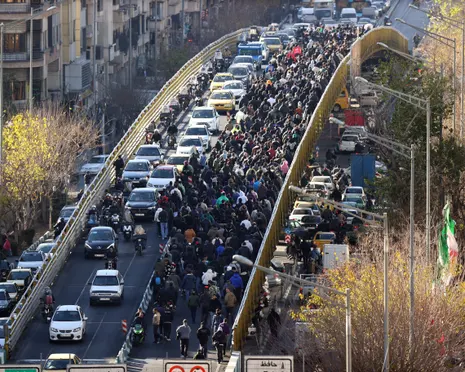
The human cost of the conflict is increasingly visible on the streets of Tehran. With annual inflation rates reaching a critical 66 percent last month, many citizens are struggling to maintain basic living standards. Residents have reported that the war has fundamentally altered their daily routines, forcing individuals into the workforce to compensate for the soaring costs of essential goods and services.
Local business owners are equally strained by the volatile market conditions.
“Trade has dried up as rents rise; we can barely afford to pay our workers,”
noted Omid, a local food business operator. These accounts highlight the widespread financial insecurity currently permeating the Iranian economy as supply chains remain disrupted by the ongoing blockade.
Leadership Calls for Resilience
Supreme Leader Ayatollah Mojtaba Khamenei has issued a stern directive to the government to address these mounting livelihood challenges. In a written statement, he emphasized the urgency of managing price stability and market functionality. The government, in turn, is pushing a narrative of national unity to bolster morale during this protracted period of international isolation.
President Pezeshkian highlighted a brief glimmer of economic activity that occurred during a short-lived Memorandum of Understanding signed with Washington in June. During this window, Iran managed to export approximately 90 million barrels of oil, demonstrating the potential for relief if diplomatic channels are utilized effectively.
Diplomacy Meets Defense
In a strategic pivot, the government defined its current policy as a dual-pronged approach. Officials described diplomacy and national defense as “two complementary, coordinated and inseparable wings” essential for protecting the country’s territorial integrity. This balanced strategy is intended to preserve national interests without abandoning a posture of resistance.
The administration is also advocating for a less confrontational stance toward neighboring nations, with the President calling for open dialogue. This push for regional cooperation is framed as a necessary measure to ensure collective stability. As Tehran continues to navigate these turbulent waters, the leadership remains focused on gradually reducing its dependence on the dollar, a move intended to provide a long-term buffer against future external financial shocks.