Gaza’s Cash Famine: Economy Stalls as Digital Pay Fails
In the heart of Gaza City’s Sheikh Radwan neighbourhood, a quiet crisis is unfolding within the local marketplace. For residents like Firas Zaqloul,…
Featured image for news article
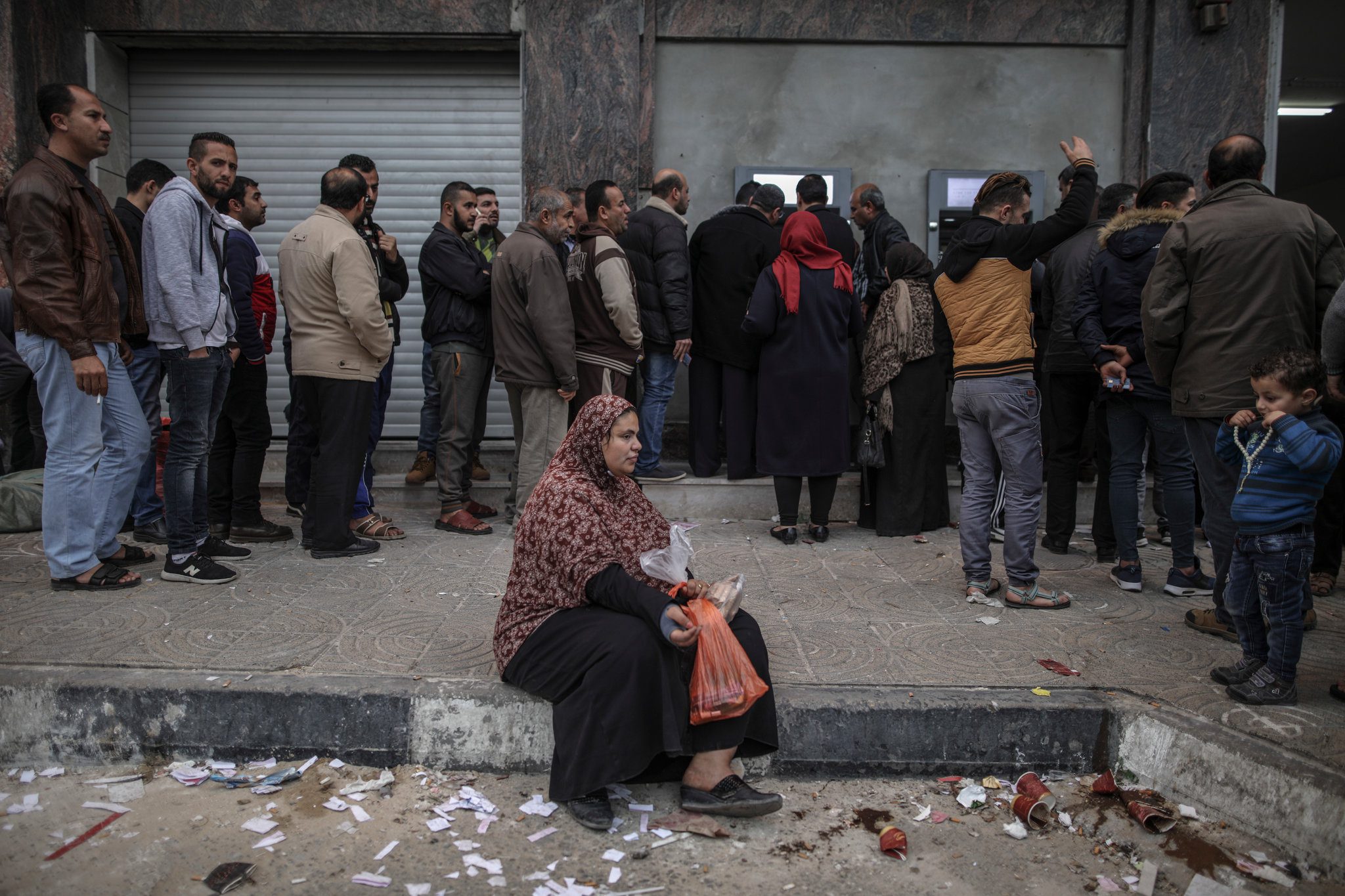
In the heart of Gaza City’s Sheikh Radwan neighbourhood, a quiet crisis is unfolding within the local marketplace. For residents like Firas Zaqloul, the simple act of purchasing clothing has transformed into a frustrating, often humiliating, ordeal. As Israel’s ongoing military campaign continues to restrict the flow of physical currency into the strip, a severe “cash famine” has gripped the region, leaving shoppers and merchants in a state of economic paralysis.
The liquidity crisis is a direct consequence of both widespread infrastructure destruction and stringent border controls. Following the escalation of hostilities on October 7, 2023, the physical banking system in Gaza was decimated. According to data from the Palestine Monetary Authority, more than 50 bank branches and numerous automated teller machines have been razed by military attacks, effectively severing the population’s access to their own financial assets.
Lost Identity, Lost Access
For individuals like Zaqloul, the struggle is compounded by the loss of essential documentation. His home was destroyed during the conflict, burying his Palestinian identity card beneath the rubble. Without this primary identification, he remains locked out of the banking system, unable to open new accounts or register for the electronic wallets that have become the sole alternative to paper money.
“I suffer every day when I want to buy something,” Zaqloul said. “The seller refuses worn-out banknotes, so I have to find some way to pay him. I just hope merchants in Gaza will take the money from us. In the end, it’s all money.”
The scarcity of usable, clean banknotes has forced merchants to become increasingly selective, often rejecting worn or damaged currency. This hesitation leaves consumers with pockets full of money that holds no purchasing power, creating a bizarre paradox where citizens technically possess funds but remain unable to meet their basic daily needs.
Digital Payments: A Flawed Alternative
As traditional banking fails, residents are increasingly pushed toward digital payment platforms. However, this transition is fraught with technical and bureaucratic hurdles. Even in instances where individuals attempt to use electronic transfers, the instability of local networks and the reluctance of shopkeepers to rely on digital confirmations create significant delays.
The experience of 23-year-old student Israa Najm highlights the fragility of this shift. While attempting to purchase an abaya, Najm was forced to wait for two hours in a shop, tethered to the whims of network connectivity, waiting for a mobile notification to confirm her mother’s transfer. For shopkeepers, the fear of unstable digital verification is often as great as their fear of damaged physical notes.
Despite a ceasefire in October 2025 that allowed some banking branches to resume limited operations, the relief has been largely superficial. Services remain restricted to administrative tasks rather than the injection of fresh liquidity. For thousands in Gaza, the economic blockade remains a persistent, invisible barrier, keeping them in a state of financial limbo as they navigate the ruins of their local economy.