Middle East Faces Long-Term Stagnation Amid Iran War
Six months after the initial outbreak of hostilities between the United States, Israel, and Iran, the conflict has settled into a grinding stalemate….
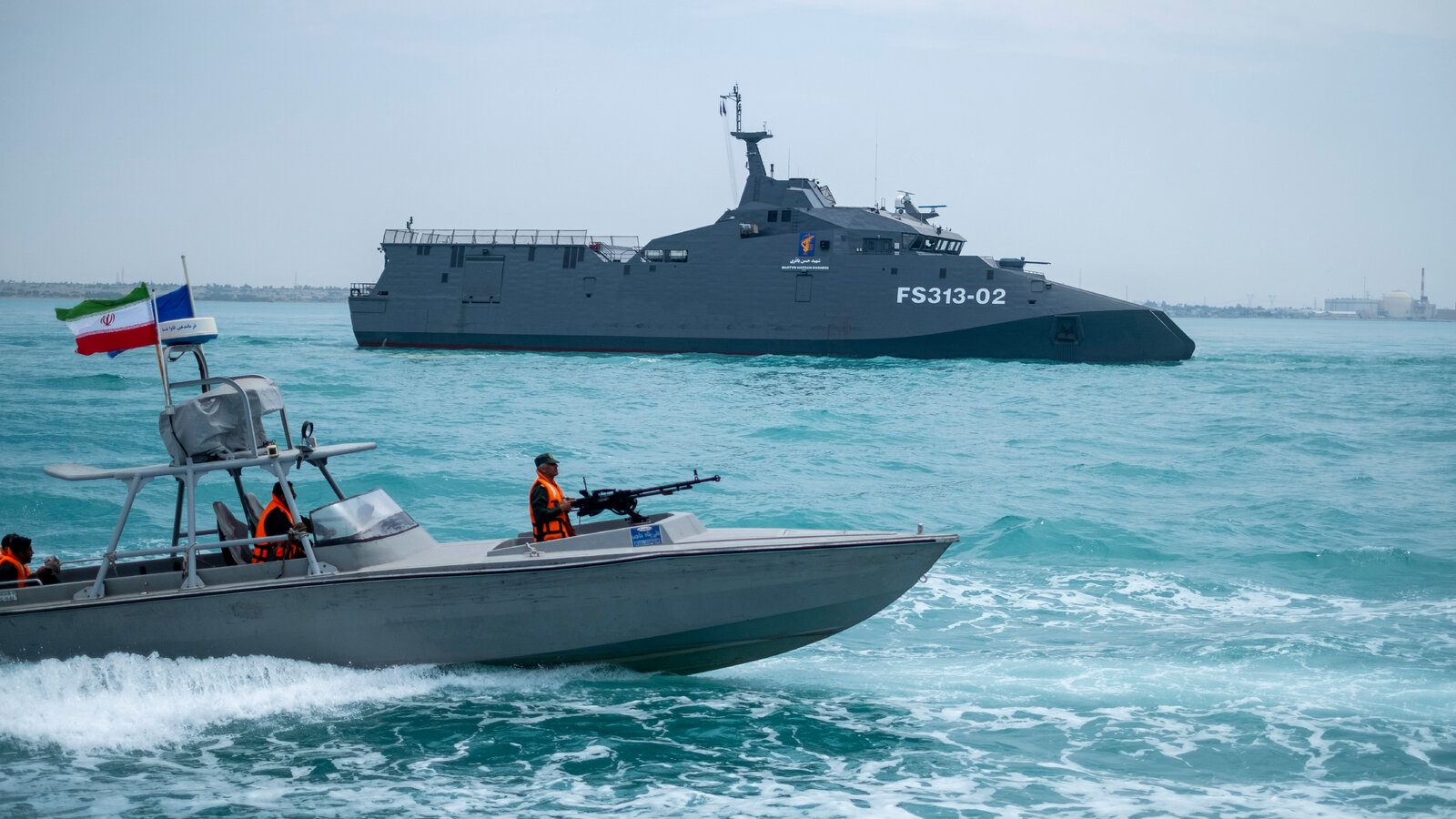
Featured image for news article
Six months after the initial outbreak of hostilities between the United States, Israel, and Iran, the conflict has settled into a grinding stalemate. What began on February 28 with surprise strikes aimed at forcing a regime collapse in Tehran has instead evolved into a protracted war of attrition. Analysts now widely accept that the optimistic projections of a swift strategic victory for Washington have failed to materialize, leaving regional actors to navigate a future defined by economic uncertainty and persistent geopolitical volatility.
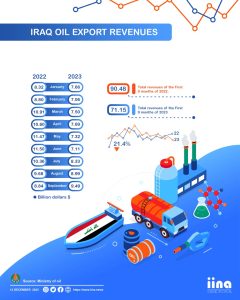
The economic impact of this conflict remains severe, particularly for oil-dependent Gulf states. The Strait of Hormuz, a critical artery for global energy markets, continues to experience crippled traffic levels. Following a series of Iranian attacks on maritime shipping and a subsequent blockade imposed by the United States on Iranian ports, supply chains have struggled to stabilize. This disruption has forced regional powers to accelerate efforts toward economic diversification, shifting focus away from traditional reliance on global trade routes that are now prone to disruption.
A Shift in Regional Alliances
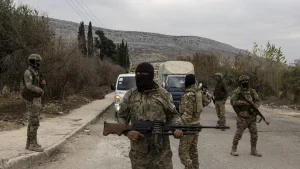
The military landscape remains heavily saturated, with United States forces deeply entrenched in the region. Although a memorandum of understanding (MoU) signed in June between Washington and Tehran successfully reduced the intensity of direct combat, it has failed to provide a pathway to peace. Instead, the conflict has triggered a realignment of security priorities. Regional players are moving to safeguard their own interests as they realize that existing security guarantees from external powers may no longer offer the protection they once did.
This evolving reality has prompted a new wave of regional cooperation. A notable defense agreement recently signed in Mecca between Turkiye, Pakistan, and Saudi Arabia serves as a primary example of this shift. Experts suggest that such military pacts are likely to proliferate as nations seek to bolster their own defense capabilities independently of the United States. Sanam Vakil, director of the Middle East and North Africa Programme at Chatham House, emphasized that the war has largely served as an accelerant for preexisting trends.
“The war has just accelerated trends, but hasn’t really started anything that wasn’t already under way. The Gulf countries were already diversifying their economies,” said Sanam Vakil.
Despite the failure to bring the Iranian regime to its knees, Israel continues to pursue its strategic project of regional “paramountcy,” according to HA Hellyer of the Royal United Services Institute. Meanwhile, the influence of other global powers, such as China and India, remains in a state of suspended animation. While not fully stopped, their ambitions—exemplified by Beijing’s Belt and Road Initiative—are currently stalled by the chaotic regional climate. As tensions between the Houthi rebels and Saudi Arabia in Yemen show signs of escalation, the Middle East finds itself caught in an era of managed fallout, where the absence of total war does not equate to the presence of security.