Oil Prices Surge 4% as Middle East Conflict Closes Strait of Hormuz
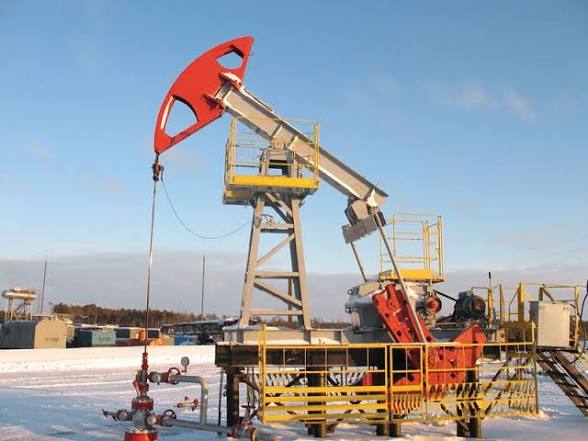
Featured image for news article
Global energy markets were sent into a tailspin on Monday as oil prices spiked by more than 4% following a major escalation in Middle East military tensions. The sudden instability comes after a wave of U.S. airstrikes against targets within Iran, prompting immediate and aggressive retaliatory measures from Tehran.
The market response was swift and severe. Brent Crude climbed $3.10 to reach $79.11 per barrel, while U.S. West Texas Intermediate (WTI) rose $2.95 to trade at $74.36 per barrel. Analysts warn that these figures may continue to climb as the situation on the ground deteriorates.
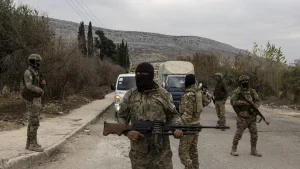
The conflict intensified after the U.S. military launched strikes against Iranian positions, citing a need to keep international shipping lanes open. However, the move has triggered the opposite effect. Iranian forces, through the Islamic Revolutionary Guard Corps (IRGC), have launched counter-strikes against U.S. bases in Kuwait and Bahrain, effectively destabilizing the region.
Most critical to the global economy is the status of the Strait of Hormuz. Iranian authorities have declared the vital waterway closed to all unauthorized transit. While Washington insists the passage remains under U.S. protection, maritime data tells a different story. Traffic has plummeted to just six vessels on Sunday, marking the lowest activity level in over a month.
The closure of this “chokepoint” is a significant concern for the global economy, as approximately 20% of the world’s petroleum and liquefied natural gas passes through the route daily. The breakdown of last month’s interim diplomatic agreement has left experts questioning if a peaceful resolution is still possible.
Market observers now fear that if the current trajectory of military provocation continues, oil prices could quickly breach the $80-per-barrel threshold. Such a rise would place significant inflationary pressure on Western economies already struggling with energy costs.
For now, the world watches as the standoff between Washington and Tehran continues to threaten the stability of global energy supplies. With diplomacy currently stalled, the risk of further economic disruption remains high.
Summary:
1. Oil prices surged over 4% following military clashes between the U.S. and Iran.
2. Iranian forces retaliated against U.S. bases in Kuwait and Bahrain.
3. The Strait of Hormuz is effectively closed, halting 20% of global oil flow.
4. Future diplomatic efforts appear stalled as market experts predict prices could exceed $80 per barrel.