From Refugee Camps to World Cup Glory: The Gamechanging Team
The 2026 FIFA World Cup is being heralded as the most inclusive tournament in history, but behind the spectacle of the 48-nation event lies a…
Featured image for news article
The 2026 FIFA World Cup is being heralded as the most inclusive tournament in history, but behind the spectacle of the 48-nation event lies a profound human narrative. For at least nine players competing on the world’s biggest stage, the road to the pitch began not in elite academies, but in the harrowing confines of refugee camps. These athletes have transformed their stories of survival into symbols of hope, representing a global movement of displaced individuals.
Among the standout performers is Australia’s Nestory Irankunda. The 20-year-old recently became the youngest Australian to score in a World Cup during a 2-0 victory against Turkiye. While his celebration—a nod to legend Tim Cahill—captured the spotlight, it masked a difficult origin: the Kigoma refugee camp in Tanzania, where Irankunda was born after his parents escaped the civil war in Burundi.
Irankunda is part of the “Gamechanging Team,” a collaborative initiative between FIFA and the UN refugee agency (UNHCR). The campaign highlights the stories of players who overcame displacement to reach the professional level. With 117 million people currently displaced worldwide, including nearly 49 million children, the UNHCR believes these players offer a necessary message of resilience to a global audience.
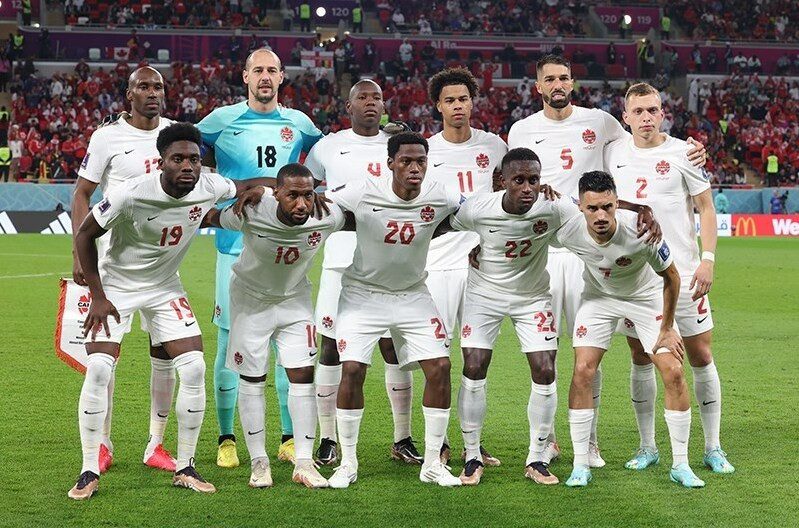
Canada’s captain, Alphonso Davies, remains one of the most prominent faces of this movement. Born in the Buduburam refugee camp in Ghana following his parents’ flight from the Liberian civil war, Davies eventually resettled in Edmonton. As a UNHCR Global Goodwill Ambassador, he frequently reflects on his journey, noting that the camp provided safety but that his current success was far from guaranteed.
The narratives extend across the tournament, including players like Toure, who was born in a refugee camp in Conakry, Guinea, after his family fled violence in their hometown. These players represent a collective triumph over circumstance, proving that talent can emerge from even the most desperate situations.
As the tournament progresses, these nine athletes are using their platform to shift the conversation around global migration. By performing on the world’s largest stage, they serve as a living testament to the potential of those forced to flee their homes, turning the “World Cup for everyone” into a truly global statement of human spirit.
Summary:
1. The 2026 World Cup features at least nine players with histories of displacement.
2. Nestory Irankunda and Alphonso Davies are among the stars sharing their refugee stories.
3. The “Gamechanging Team” initiative aims to inspire 117 million displaced people globally.
4. These athletes highlight the resilience of children in conflict zones.
5. The campaign leverages the massive reach of the World Cup to promote awareness and hope.