Pakistan Issues Nationwide Alert as Monsoon and Flood Risks Surge
Pakistan has entered a “critical” weather window as the National Disaster Management Authority (NDMA) issued an urgent nationwide alert on Sunday….
Featured image for news article
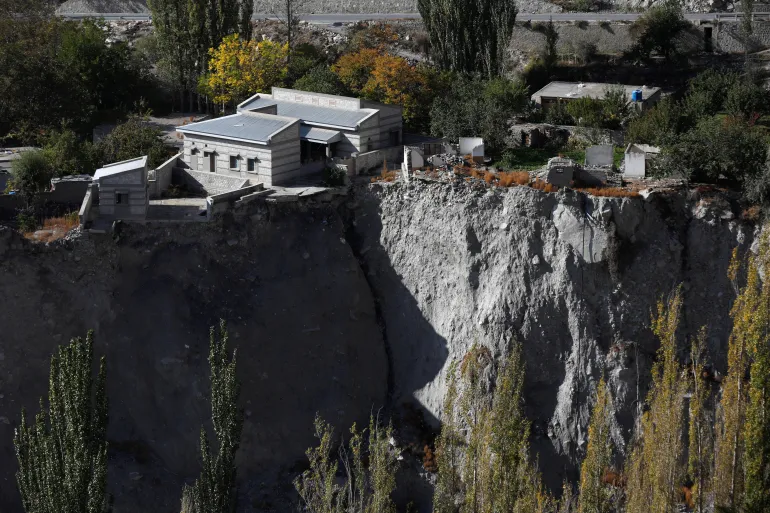
Pakistan has entered a “critical” weather window as the National Disaster Management Authority (NDMA) issued an urgent nationwide alert on Sunday. Authorities are bracing for potential thunderstorms, intense rainfall, and dangerous urban flooding, while simultaneously warning of an elevated risk of Glacial Lake Outburst Floods (GLOFs) in the country’s sensitive northern regions.
The mountainous Gilgit-Baltistan region, particularly the districts of Hunza and Skardu, alongside the northwestern province of Khyber Pakhtunkhwa, have been identified as the most vulnerable zones. Beyond the mountainous north, officials have explicitly warned residents in major urban centers, including the capital Islamabad and the adjacent city of Rawalpindi, to prepare for potential flash flooding.
Provincial and district administrations have been placed on high alert, with mandates issued to ensure that drainage systems are cleared to prevent water stagnation. The NDMA has issued a stern advisory to tourists and travelers, urging them to avoid non-essential travel during the predicted heavy downpours and to verify road conditions, as landslides remain a significant threat to mountain transit corridors.
This alert arrives as Pakistan prepares for what meteorologists fear could be a fourth consecutive year of extreme monsoon activity. The seasonal rains are expected to arrive later this month, reviving memories of the 2022 historic floods that submerged one-third of the nation. Last year’s monsoon season alone claimed over 1,000 lives, including 275 children, and displaced millions.
The environmental stakes are rising as Pakistan, despite contributing less than 1 percent of global greenhouse gas emissions, remains one of the most climate-vulnerable nations on Earth. In the Gilgit-Baltistan region, temperatures recently hit an unprecedented 48.5 degrees Celsius (119.3 degrees Fahrenheit), shattering records established in 1971. This extreme heat has rapidly accelerated the melting of Pakistan’s 13,000 glaciers.
According to the United Nations Development Programme (UNDP), there are currently over 3,000 glacial lakes across the Hindu Kush, Himalayas, and Karakoram ranges. Of these, at least 33 are considered high-risk for hazardous outbursts. Experts warn that a GLOF event can release millions of cubic meters of water and debris in mere hours, posing a direct threat to more than 7.1 million people residing in surrounding downstream communities.
1. NDMA has issued a nationwide alert for heavy rains and potential flooding.
2. Northern mountain regions face high risks of Glacial Lake Outburst Floods (GLOFs).
3. Major cities, including Islamabad and Rawalpindi, are preparing for urban flooding.
4. Authorities are urging travelers to exercise extreme caution due to landslide risks.
5. Pakistan is bracing for a fourth consecutive year of extreme monsoon weather.
6. Rising temperatures are causing record glacial melt, threatening millions in downstream areas.