Iran-US Peace Talks: Khamenei’s Reluctant Backing Sparks Tensions
A high-level diplomatic delegation from Iran has arrived in Switzerland to solidify a 60-day roadmap aimed at de-escalating the conflict that erupted…
Featured image for news article
A high-level diplomatic delegation from Iran has arrived in Switzerland to solidify a 60-day roadmap aimed at de-escalating the conflict that erupted in late February. Led by Parliament Speaker Mohammad Bagher Ghalibaf and Foreign Minister Abbas Araghchi, the Iranian team is meeting with U.S. representatives headed by Vice President JD Vance. The negotiations, facilitated by Pakistan and Qatar, seek to formalize a memorandum of understanding (MoU) intended to bring a definitive end to the hostilities involving the U.S. and Israel.
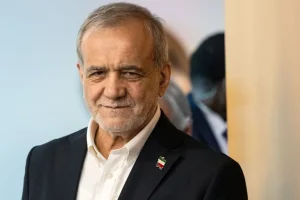
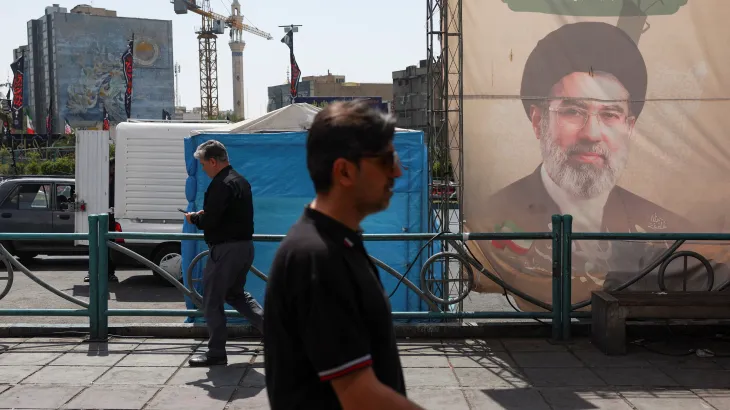
Despite the optimism surrounding the talks, domestic friction in Tehran remains high. The primary point of contention stems from the reported hesitance of Supreme Leader Mojtaba Khamenei regarding the interim deal. In a brief statement released last Thursday—his only public comment on the matter—Khamenei noted that while he held personal reservations, he ultimately authorized the deal because President Masoud Pezeshkian agreed to shoulder the political responsibility for its outcome.
The internal discord reached a boiling point on Sunday following the resignation of the director general of the Islamic Republic of Iran News Network (IRINN). The departure followed a controversial 11-minute live broadcast featuring hardline cleric and legislator Mahmoud Nabavian. During the interview, which was later scrubbed from state archives, Nabavian claimed that Khamenei had initially opposed the April 8 ceasefire.
According to the leaked correspondence cited by Nabavian, the Supreme Leader’s objections were rooted in demands for “exclusive management” of the Strait of Hormuz and the implementation of a mandatory tolling system for passing vessels. Furthermore, the cleric alleged that Khamenei insisted on securing war reparations and the release of frozen assets, while maintaining an uncompromising stance on Iran’s nuclear program.
President Pezeshkian has moved to contain the narrative, framing the MoU as a “historic document” that preserves the nation’s independence and dignity. Meanwhile, the Supreme National Security Council issued a statement pledging to protect the rights of the Iranian people and the broader “resistance front,” attempting to strike a balance between diplomatic necessity and the regime’s long-standing ideological commitments.
As the Switzerland talks progress, the primary challenge remains whether the Iranian administration can maintain a unified front. With hardliners actively questioning the Supreme Leader’s true intentions and the legitimacy of the concessions made, the success of the 60-day roadmap may hinge as much on domestic consensus as it does on international diplomacy.
Summary:
1. Iranian and U.S. officials are meeting in Switzerland to finalize a 60-day peace roadmap.
2. Supreme Leader Khamenei has expressed formal but reluctant approval of the MoU.
3. Hardline dissent persists, fueled by claims that the Supreme Leader desired stricter terms on the Strait of Hormuz and nuclear policy.
4. A high-ranking state media official resigned following a broadcast of these internal policy debates.
5. President Pezeshkian maintains that the deal is a victory for national sovereignty.