Oil Surges Past $106 After Houthi Strikes
Crude values surged past $106 per barrel following fresh military actions directed at Saudi Arabian territory by Yemen’s Houthi rebels. The…
Featured image for news article
Crude values surged past $106 per barrel following fresh military actions directed at Saudi Arabian territory by Yemen’s Houthi rebels. The Iran-allied movement claimed responsibility for targeting infrastructure operated by the state energy conglomerate Aramco, sending shockwaves through international energy markets.
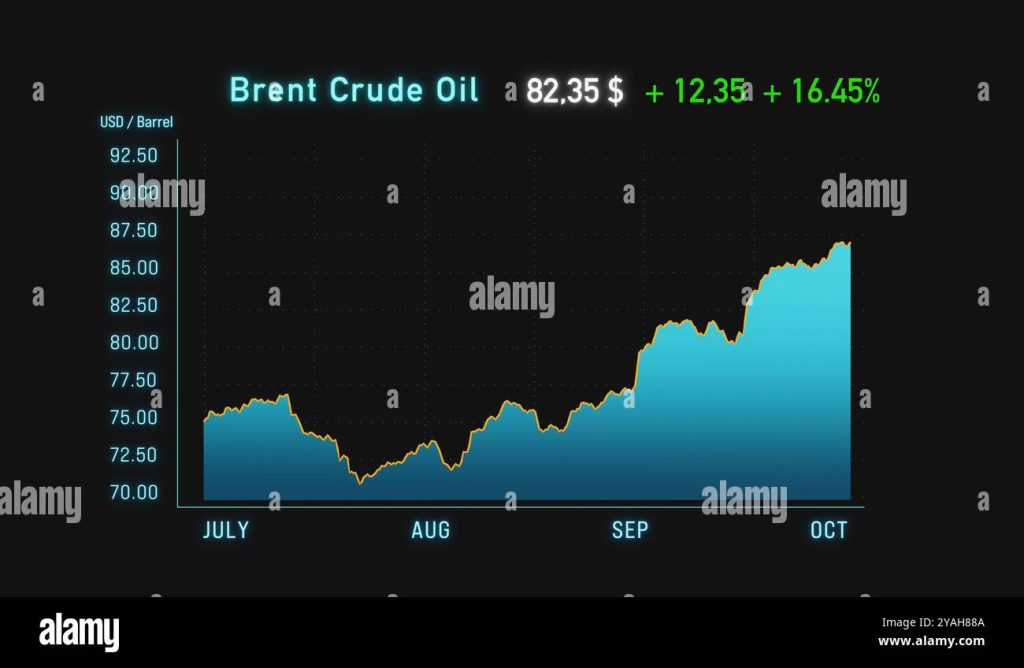
Global benchmark Brent crude registered a gain exceeding 3 percent on Thursday. This upward movement was driven by acute anxieties over potential supply interruptions, compounding existing shortages tied directly to the ongoing US-Israel war on Iran.
Trading for November Brent futures closed above $106.50 a barrel on Thursday, after briefly climbing past $108 earlier in the session. Values drifted downward during early trading hours in Asia on Friday, with the key benchmark resting at $105.77 a barrel at 02:00 GMT.
Rebel Claims and Coalition Response
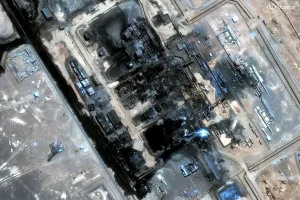
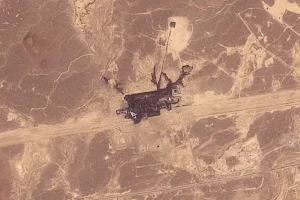
According to an official release distributed via the Houthi-managed Yemen News Agency, the faction executed coordinated missile and drone strikes against a sensitive target located in Riyadh alongside Aramco installations situated in the Red Sea port city of Yanbu. The militant organization insisted that both operations fulfilled their designated goals successfully.
Prior to the rebel announcement, military units within the Saudi-led coalition reported intercepting a total of six ballistic missiles launched in the direction of the kingdom. Official government representatives in Saudi Arabia have refrained from releasing statements confirming whether physical damage or personal injuries occurred.
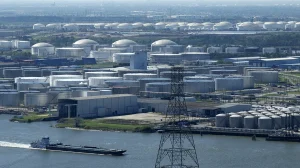
Meanwhile, Aramco—an enterprise responsible for fulfilling approximately 10 percent of worldwide petroleum consumption—declined to offer commentary when contacted outside normal operating hours.
Diplomatic Backdrop and Market Impact
This latest escalation in regional hostilities coincides with ongoing diplomatic discussions held on the sidelines of the UN General Assembly in New York, where American and Iranian representatives are attempting to negotiate an end to their seven-month conflict.
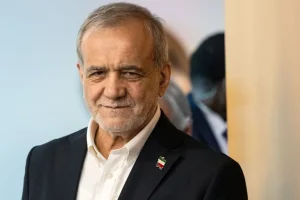
Iranian President Masoud Pezeshkian expressed optimism on Thursday, stating his desire for Washington to reinstate their Memorandum of Understanding concerning the termination of hostilities before the upcoming US midterm elections in November. The previous agreement expired in mid-August without yielding a formal peace treaty.
Relative to the post-war trend, these levels remain elevated and reflect the reality that critical supply routes and facilities are still vulnerable.
Tim Waterer, chief market analyst at KCM Trade based in Sydney, Australia, shared these insights with Crimson Reporters. He noted that while diplomatic dialogues offer a stabilizing counterbalance, the persistent threat profile maintains an upward trajectory for prices until verifiable, long-term de-escalation materializes.
Echoing these sentiments, June Goh, a senior oil market analyst at Sparta Commodities situated in Singapore, projected that petroleum valuations would likely sustain levels above $100 per barrel as long as hostilities persist against Iran. She pointed out that ongoing global inventory deficits will remain unaddressed without a definitive end to the conflict.
- Brent crude surpassed $106 per barrel following coordinated strikes.
- Houthi rebels targeted infrastructure in Riyadh and Yanbu.
- Global markets remain sensitive due to ongoing supply chain vulnerabilities.
As market watchers monitor both diplomatic overtures in New York and security developments on the ground, the energy sector remains on high alert for further volatility.