West Bank Farmers Lose Groves Ahead of Harvest
Heavy machinery belonging to the military tore through agricultural lands near Ramallah in the occupied West Bank, leveling centuries-old groves…
Featured image for news article
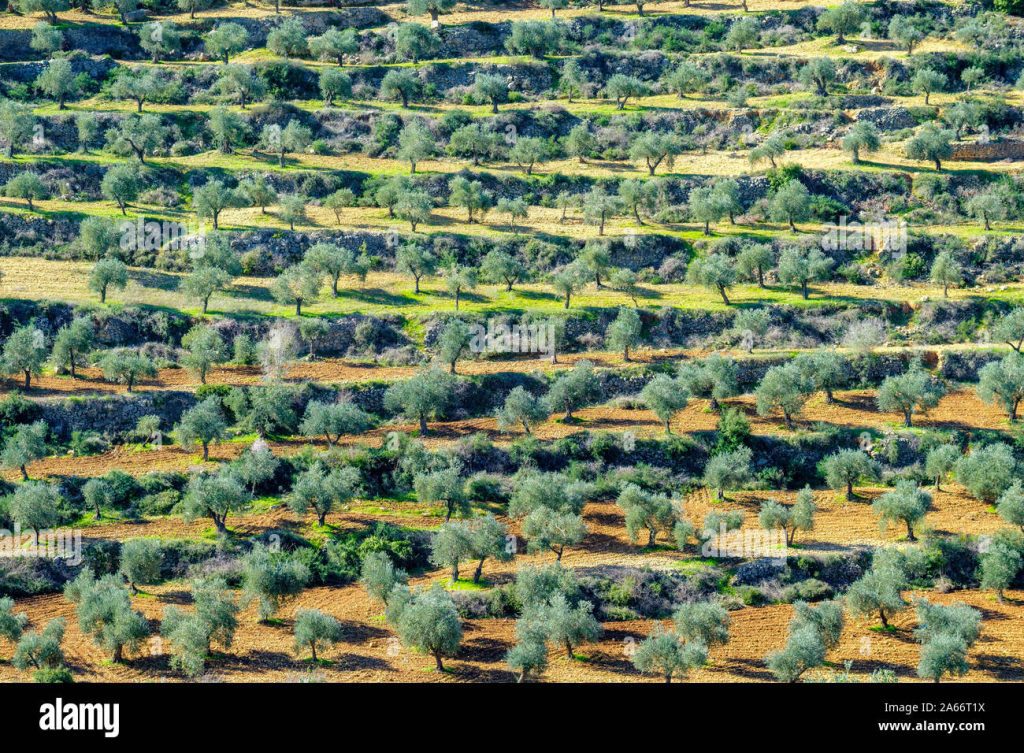
Heavy machinery belonging to the military tore through agricultural lands near Ramallah in the occupied West Bank, leveling centuries-old groves right before the yearly collection period.
Local inhabitants informed the Reuters news agency that armed forces drove heavy tractors across rows of productive vegetation in Deir Nidham, catching villagers by surprise as they prepared for the upcoming gathering season.
Abd Alfattah Tamimi, a local landowner who cultivates the soil alongside his relatives, witnessed the devastation firsthand. He noted that both his family plots and neighboring properties were completely ruined during the operations.
Destruction During Crucial Period
According to reports from the Wafa news agency, the leveling operations began on Monday and persisted through Tuesday, leaving a trail of uprooted flora in their wake.
“They don’t care about anyone, but God is up there, and we are steadfast here with our souls,”
stated Abd Alfattah Tamimi, expressing defiance despite the heavy losses. He further emphasized the resilience of the community by adding:
“They are uprooting, and we will plant again with the help of God.”
Another local cultivator, Nather Tamimi, pointed out that the timing was intentionally chosen to cause maximum economic pain right before the collection cycle traditionally commences in October.
His household typically relies on the acreage to yield approximately 120 drums of oil annually. Furthermore, Nather Tamimi observed that the operation spared no greenery, noting that the military “uprooted all kinds of trees even from between the houses.”
Official Stance and Broader Impact
When approached for comment, military representatives stated they were reviewing inquiries from Reuters, though no official statement had been issued by Wednesday evening.
Historically, authorities have defended such agricultural clearings by pointing to operational necessity, claiming the removal of flora helps mitigate security risks and prevents ambushes targeting personnel.
However, regional civil society organizations strongly dispute these justifications. These advocates maintain that the destruction serves primarily to strip local growers of vital financial sustenance while simultaneously eradicating deep-rooted emblems of indigenous heritage and connection to the soil.
Official tallies from the Colonization and Wall Resistance Commission, operating under the Palestinian Authority, indicate that agricultural damage throughout August alone impacted 21,508 individual plants, which included 19,375 olive-bearing specimens.
Moreover, projections for the current season place total output at 21,000 tonnes, set against a domestic consumption requirement hovering around 15,000 tonnes, according to data provided to Crimson Reporters.
Key aspects of the incident include:
- Heavy machinery leveled groves in Deir Nidham village near Ramallah.
- Operations occurred just weeks before the traditional October collection season.
- Locals vow to replant despite substantial economic setbacks.
The situation remains tense as affected inhabitants assess the long-term viability of their remaining agrarian assets under ongoing military restrictions in the occupied West Bank.