White House Proposes Major F-35 Sale to Saudi Arabia
The administration of President Donald Trump has formally requested that Congress approve a massive arms deal involving the sale of 48 F-35 fighter…
Featured image for news article
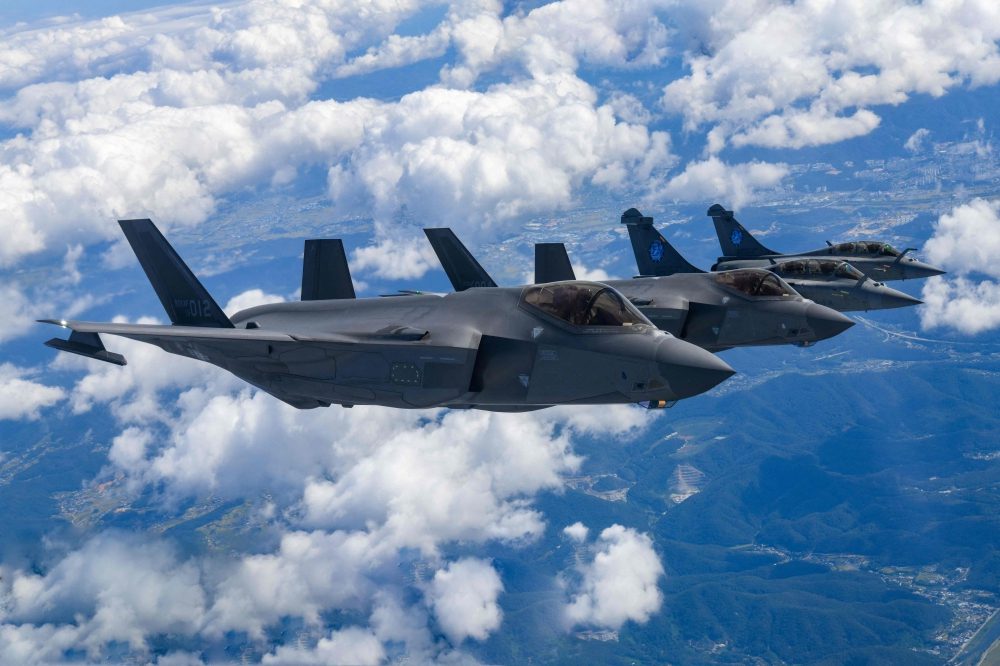
The administration of President Donald Trump has formally requested that Congress approve a massive arms deal involving the sale of 48 F-35 fighter jets to Saudi Arabia. Valued at an estimated $24.3 billion, the proposed acquisition of these advanced aircraft represents a significant escalation in military cooperation between Washington and Riyadh.
The State Department defended the move in an official statement issued Thursday, framing the sale as a vital contribution to national security. Officials asserted that the deal strengthens a major non-NATO ally, which the administration identifies as a critical pillar for political stability and economic growth within the Gulf region.
Strategic Implications and Military Balance
A core concern regarding the sale of the F-35—the most sophisticated fighter jet in the United States inventory—is the preservation of the regional military balance. The administration maintains that the transfer of these jets will adhere to long-standing US policy, ensuring that Israel retains a qualitative military edge over its neighbors and potential adversaries.
However, the timing of this proposal is particularly sensitive, occurring amidst a period of intensifying violence in Yemen. Riyadh has been actively seeking enhanced support from Washington for its ongoing military campaign against the Houthi movement, which currently controls significant portions of Yemeni territory.
Escalating Conflict in Yemen
The urgency of the Saudi request was underscored by a recent, high-stakes tactical development. Houthi forces recently claimed the successful downing of a Saudi F-15 fighter jet over the city of Marib. The group released video footage showing militants gathered around the burning wreckage of what appeared to be an American-made aircraft adorned with Saudi markings.
The Houthis allege that the jet was struck by a locally manufactured surface-to-air missile. If confirmed, this development suggests a significant leap in the Houthi group’s technological capabilities. Until now, Saudi Arabia has relied heavily on its air superiority to conduct strikes, a dynamic that may be shifting as the conflict claims more civilian lives, including children.
Intelligence and Security Concerns
Despite the administration’s push, the deal faces stiff opposition in Congress. Representative Raja Krishnamoorthi, a Democratic member of the House Intelligence Committee, has voiced strong disapproval, citing the risks of technology leaks. Concerns are mounting that the sophisticated F-35 systems could fall into the hands of the Chinese government.
“The deal should not go ahead when our own intelligence community is warning that it could put the crown jewels of American military technology within reach of the Chinese Communist Party,” Krishnamoorthi stated.
Intelligence analysts have specifically warned that China could gain access to sensitive F-35 technology through Riyadh’s existing partnerships with Beijing. While the US continues to provide equipment to the Saudi military, Washington has officially maintained its stance that it will not directly intervene in the conflict between the Iran-backed Houthis, the Saudi-led coalition, and the Saudi-backed Yemeni government forces.