Trump Signals Direct Iran Talks Amid Energy Crisis
President Donald Trump has expressed cautious optimism regarding the ongoing conflict with Iran, suggesting that the United States is “hopefully…
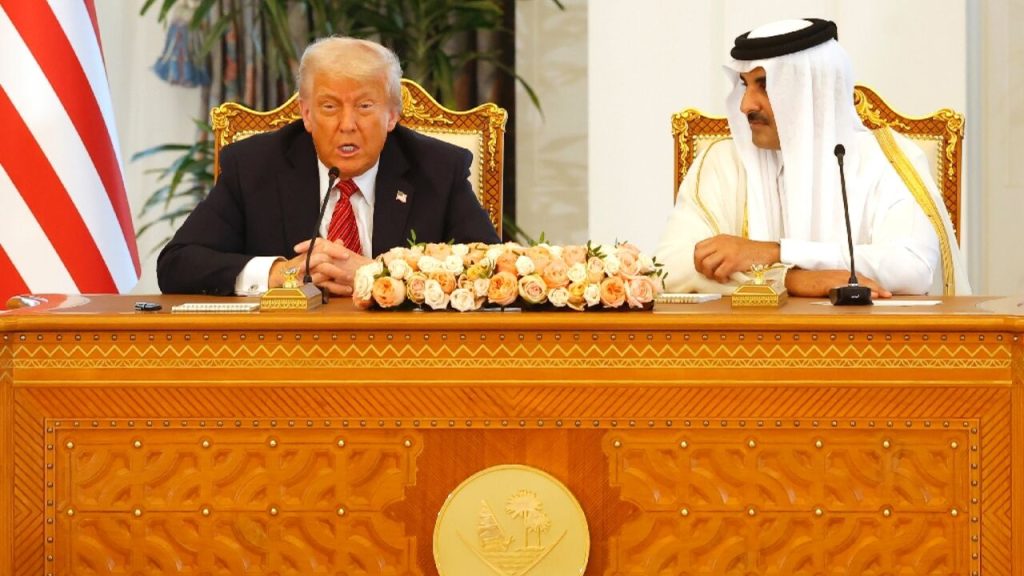
Featured image for news article
President Donald Trump has expressed cautious optimism regarding the ongoing conflict with Iran, suggesting that the United States is “hopefully toward the end” of the hostilities. Amid soaring global energy prices and an expanded regional conflict, the President claimed that he has engaged in direct communication with officials in Tehran, sparking speculation about a potential diplomatic breakthrough.
The situation remains fluid, particularly as the conflict has spilled into Yemen. The Iranian-linked Houthi movement has intensified attacks on Saudi oil infrastructure, further destabilizing global markets. With Iran maintaining an effective blockade of the Strait of Hormuz—a vital maritime corridor for 20% of the world’s oil and gas—the economic pressure on the international community has reached a critical threshold, with oil prices recently surging past $100 per barrel.
Diplomatic Uncertainty Remains
Despite President Trump’s bold assertion, there is a distinct lack of confirmation from Tehran regarding these supposed direct negotiations. Historically, communication between Washington and the Iranian leadership has relied heavily on intermediaries from nations such as Qatar, Oman, and Pakistan. The President’s claim of a direct line represents a notable departure from established diplomatic protocols.
The administration’s messaging faces significant pushback from Iranian leadership. Only one day prior to the President’s public comments, a senior Iranian official explicitly dismissed the possibility of talks unless specific preconditions were met. Tehran continues to demand that the United States honor the comprehensive terms of the international agreement signed this past June.
“Well, hopefully we are toward the end of the war. They want to make a deal. We’ll see how that works out,” President Trump stated during a press briefing on Wednesday.
Mixed Signals and Regional Mediation
The diplomatic landscape is further complicated by conflicting statements. Mohsen Rezaei, secretary of Iran’s Supreme National Security Council, has openly accused the White House of issuing “mixed signals.” Rezaei maintains a firm stance, insisting that no formal negotiations can proceed until Tehran’s requirements are fully satisfied.
These developments occur against a backdrop of intense back-channel activity. On Thursday, reports from the semiofficial Tasnim news agency indicated that Iranian Foreign Minister Abbas Araghchi conducted a telephone consultation with Pakistani army chief Field Marshal Asim Munir. Field Marshal Munir has been central to the high-stakes mediation efforts between the two opposing powers.
The call between Araghchi and Munir, which took place while the Foreign Minister was in Beijing, underscores the complexity of the current regional environment. As the blockade of the Strait of Hormuz continues to throttle energy supplies, the international community watches closely to see if the rhetoric from Washington or the firm demands from Tehran will prevail.
While the President suggests that Iran is desperate to reach a resolution, the reality on the ground remains volatile. Whether this latest round of claims leads to a de-escalation or remains mere political posturing remains to be seen in the coming days.